
Real Estate
Manhattan office tower values plummet below COVID-era slump amid fears AI will wreak a white-collar bloodbath

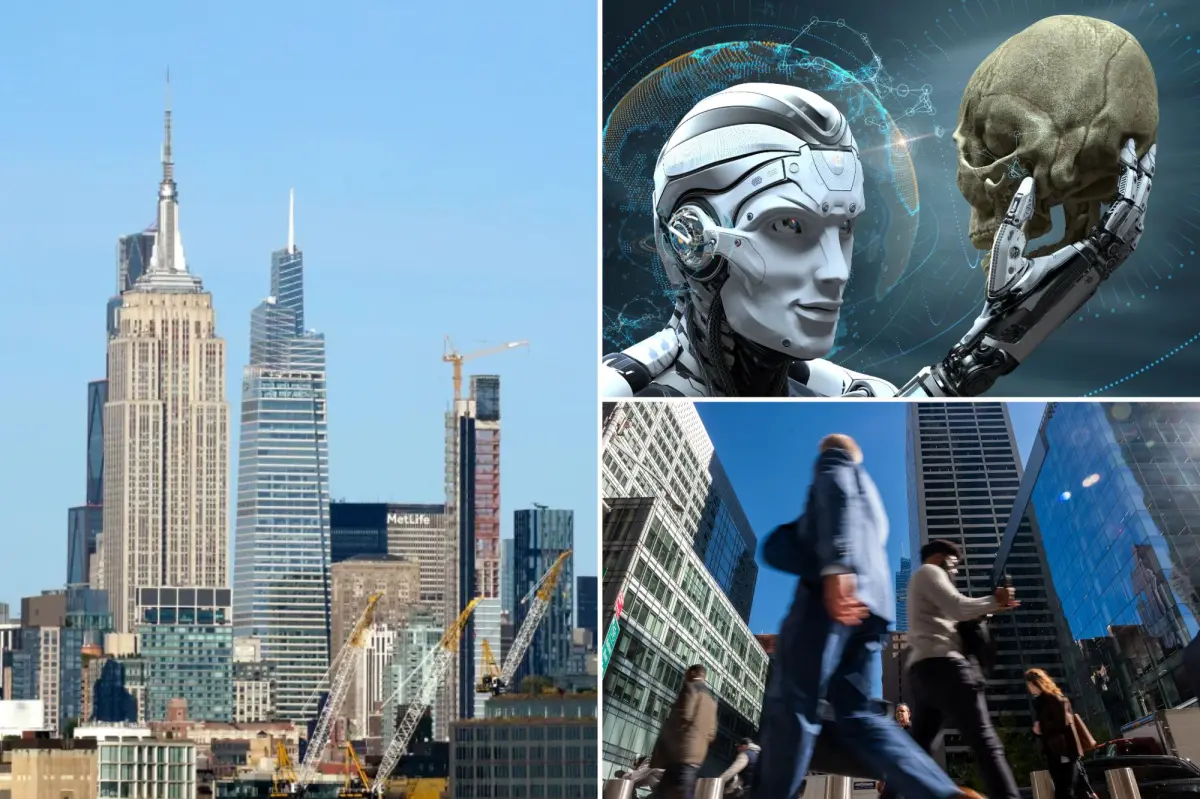
Manhattan’s office towers are now valued at prices less than they were at the peak of the COVID-19 pandemic, as a new threat emerges: Artificial Intelligence.
A new report from brokerage firm Evercore ISI found that publicly traded landlords with large Manhattan office portfolios are worth less than in June 2020, when the city was grappling with lockdowns and deserted business districts.
The shift reflects growing concerns that AI could reshape white-collar employment and ultimately reduce demand for office space across the city.
Shares of the office sector have already taken a hit this year. According to Evercore, stocks tied to office towers have dropped about 12% so far in 2026, sharply trailing the broader real estate investment trust market, which has gained about 11% over the same period.
Empire State Realty Trust — whose holdings include the iconic Empire State Building and roughly 9 million square feet of office space — is now valued by the market at about $263 per square foot. That figure is slightly lower than the $266 per square foot valuation the company carried in mid-2020.
SL Green Realty, Manhattan’s largest office landlord with about 30 million square feet of space, is now valued at roughly $416 per square foot, compared with $461 per square foot during the early pandemic period.
Vornado Realty Trust, another major owner with roughly 20 million square feet of Manhattan offices, is currently valued at about $291 per square foot — down from roughly $364 per square foot in June 2020.
In recent years, a growing number of aging Manhattan office buildings — particularly in the Financial District – have been repurposed into housing as remote work and rising vacancies reshaped the commercial market.
The most dramatic example is 25 Water Street, a former JPMorgan Chase office tower that was transformed into 1,320 apartments, making it the largest office-to-residential conversion in the United States.
Other major projects include the redevelopment of the former Goldman Sachs headquarters at 55 Broad Street, which is being turned into 571 residential units, along with conversions or planned redevelopments at buildings such as 111 Wall Street, 160 Water Street, and 40 Exchange Place.
Evercore analyst Steve Sakwa said the shift reflects growing unease among investors about how AI could reshape the office sector in the years ahead.
“AI-related disruption is a legitimate risk,” Sakwa wrote, adding that current valuations “imply a prolonged impairment in cash flows that may overstate the downside for high-quality assets.”
This isn’t the first time the market has soured on New York’s office towers since the pandemic began. In 2023, Vornado’s shares plunged to their lowest level since the mid-1990s amid worries about high vacancy rates and rising borrowing costs. The stock later rebounded sharply, more than tripling by late 2024 as leasing activity improved.
Some recent data suggests the city’s office recovery is still moving forward.
A report from the New York City Comptroller’s office last month described the city’s office comeback as “fairly robust” in the opening weeks of 2026. Weekday subway ridership climbed to about 80% of pre-pandemic levels last year, reflecting more workers returning to offices across the city.
Still, signs of strain persist.
Commercial brokerage Colliers reported that Manhattan leasing activity slowed in February, while the availability rate ticked up for the first time in two years.
Another warning sign emerged recently when the appraised value of the New York Times Building on Eighth Avenue was slashed by roughly 40%. The drop followed the departure of a large law firm tenant that had occupied a significant portion of the tower.
Other analysts say the sector’s financial outlook remains weak even without the looming AI question.
In a March 1 report, analysts at Bank of Montreal said fundamentals for office properties remain “lackluster,” warning that funds from operations — a key measure of cash flow for real estate investment trusts — could decline by about 7% this year.
The AI debate has only added to the anxiety.
“I think we’re in the ‘this seems overblown’ phase of something much, much bigger than Covid,” Otherside AI CEO Matt Shurmer wrote in a Feb. 10 post on X.
Whether those fears ultimately materialize remains uncertain. But for now, the market’s message is clear: Manhattan’s office towers are once again being valued as if the sector is heading into another prolonged period of disruption.


Homeowner faces $20K bill after State Farm inspected roof by drone

Raptors 905 open new practice facility

Scientists discover ALS protein that links DNA repair to cancer and dementia

Bob Vylan Banned From U.S. Over Glastonbury Controversy

For five older job seekers, finding new work took creativity, new skills and, in some cases, lowered expectations
