
Real Estate
Canada’s top-end market shifts unevenly coast to coast

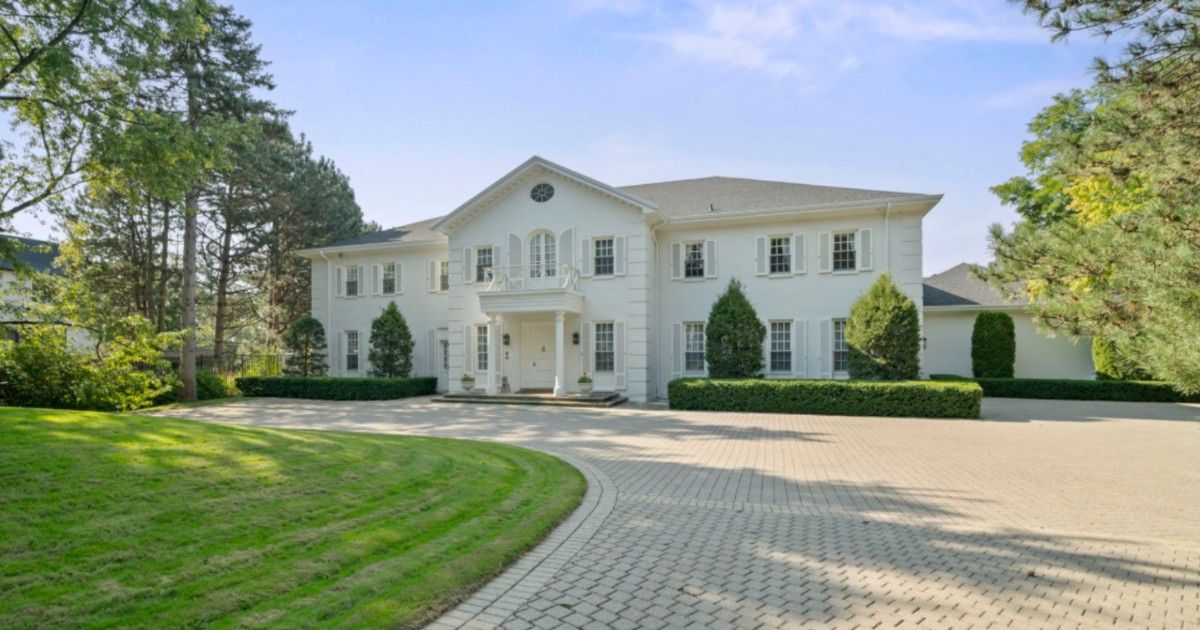
20/22 Park Lane Circle in North York, Ont., sold for $27.3 million in February/submitted
Real estate prices in Canada have risen across the board, but the impact on luxury housing has been uneven.
In some markets, soaring values and pandemic-era demand have permanently reset the top end. In others, the definition of luxury has shifted far less, even as prices climbed in the rest of the market.
Luxury from coast to coast
Luxury sales data can be hard to pin down because of the number of transactions that happen off-market, but figures collected by Real Estate Magazine paint a diverse landscape for the highest-tier properties across the country.
The number of urban residential sales in Ontario above $5 million increased 220 per cent over the last decade, from 78 in 2015 to 251 in 2025, according to real estate platform and brokerage HouseSigma.
Sales above $10 million had a similar trajectory, with 280 per cent growth from six to 23 over the same period.
But not all markets have seen a linear trajectory. British Columbia metro areas saw home sales above $5 million and $10 million decline by about 30 per cent over the last 10 years, HouseSigma data shows. There were 226 homes sold over $5 million this year (versus 373 in 2015) and 20 over $10 million (versus 32).
At the same time, things are heating up outside Canada’s two most expensive provinces.
The largest sale of 2025 for Engel & Völkers affiliated brokerages was in Montreal, at just under $41 million – one of the biggest transactions in the country this year.
Alberta had one sale in 2025 over $10 million, according to HouseSigma.
On the East Coast, the luxury market in Halifax is showing signs of maturity, with about 25 homes on or immediately around the peninsula closing at price points over $1 million in the last 90 days, according to ViewPoint.ca.
Defining luxury heading into 2026
Andrew Carros, COO and private office advisor at Engel & Völkers Vancouver, said Alberta, B.C., Nova Scotia, Ontario, all have “completely different” demographics that control their marketplaces, “so they should never be compared to each other.”
In general, he challenges the notion that certain price points constitute luxury.
He said a home may have a premium price tag of $4 million dollars, but if it’s on a standard-sized lot in a cookie-cutter neighbourhood with similar houses all around, and no one is pining for it, it isn’t luxury.
“What’s luxury in Vancouver is waterfront,” he said. “There’s very little actual waterfront in Vancouver because of our seawalls and the way that the city was planned. You’ll always get higher dollar amounts for those really luxury properties that are unique.”
Bigger parcels, top-floor views and extensive outdoor space are all things that could build a case for a certain property to fall in the luxury category.
“As long as it’s special,” he said.
Halifax triples $1-million+ sales over five years
Nova Scotia’s luxury real estate market has expanded sharply over the past decade, with sales activity accelerating following the pandemic and remaining strong, despite some recent moderation.
Sotheby’s International Realty Canada expanded into Halifax in 2022, led by married couple Angie Bryant and Scott Bryant, reflecting the growing strength of the province’s luxury market.
Ten years ago, broker and senior vice president of sales Angie Bryant would have classified luxury in her market as around $800,000. She’s since shifted her definition to seven figures.
While most high-end listings exist in the Halifax area, some activity is concentrated along the South Shore, including scenic seaside communities such as Chester.
According to the Nova Scotia Association of Realtors, there were 32 residential sales over $1 million in 2015. By 2020, that number had increased to 94. The pace has continued to accelerate, with 320 sales over $1 million recorded as of December 2025, effectively tripling again over the past five years.
The pandemic marked a turning point for the province, drawing attention to Nova Scotia’s space, affordability and lifestyle appeal. Bryant said buyers were increasingly motivated by “a relaxed, slower-paced lifestyle.”
Demand has been particularly strong from the eastern seaboard of the United States, which remains a key feeder market, she said. One of the largest luxury transactions this year was an island sale in Mahone Bay for more than $8 million to buyers from Virginia, she said.
Buyers taking their time
Today’s luxury buyers are not as rushed or speculative as they were in the “gold rush” of 2021-2022, said Remax Canada president Don Kottick.
He noted the “continual burden of taxes” by municipal governments is a drag on the luxury market. In Toronto, Mayor Olivia Chow has asked councillors to approve higher graduated rates for properties valued over $3 million.
Remax predicts 3.4 per cent uptick in sales in 2026. While key drivers that impact the conventional market are different than the luxury market (the ultra wealthy tend not to need mortgages), Kottick still expects to see “some positive movement” in the top-end of the market next year.
Carros, Bryant and Kottick saw some similarities in their local markets, including a low appetite for fixer-uppers compared to the market of a few years ago, when inventory was tight, and buyers had to act with more urgency.
They also noted that the bulk of today’s luxury buyers are domestic.
The federal ban on foreign ownership is set to expire Jan. 1, 2027. In June, Richard Silver of Sotheby’s wrote an open letter to Prime Minister Mark Carney requesting the ban be lifted sooner.


Courtney Zwicker is a digital reporter and associate editor for REM. Based in Atlantic Canada, she has over a decade of experience covering daily business news.


The Sky Is The Limit For The Current Oil Price Rally

2 counter-protesters at Al-Quds Day rally charged with assault: Toronto police

‘Crash Accelerates,’ Says Robert Kiyosaki as He Continues Buying BTC, ETH, and More

Bob Vylan Banned From U.S. Over Glastonbury Controversy

For five older job seekers, finding new work took creativity, new skills and, in some cases, lowered expectations
