
Real Estate
Everything agents need to know about financing for pre-fab homes

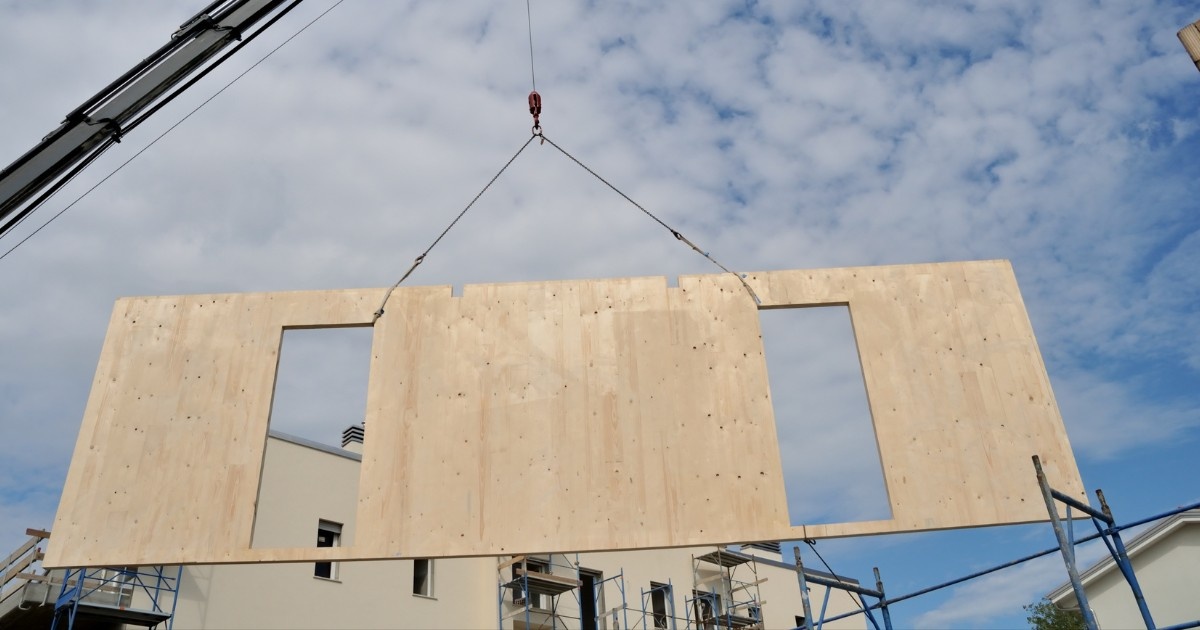
We are seeing a rise in demand for prefabricated homes, and as a lender, I’m seeing an increase in inquiries about financing for them. We’ve been digging into the issues to better understand what clients are facing and how we can best support them.
From your side of the market, as an agent, you’ve likely seen how the swings in housing demand, interest rates and home prices have locked out some buyers — especially first-timers — or sellers looking to make a move. Add in zoning hurdles, regulatory red tape and neighbourhood resistance, and the housing supply and affordability gap remains hard to close.
But now, there’s a new home trend on the block: factory-built prefabricated (e.g. modular) installations that promise faster timelines and lower costs for both developers and buyers compared to traditional on-site methods.
This prefab buzz is partly fueled by the federal government’s new Build Canada Homes initiative, supported by commitments outlined in the recent fall budget. For example, the program aims to help finance and install 4,000 prefab units on federal land, with capacity for another 45,000, praised by some as a solid step toward easing Canada’s housing crisis.
These units are primarily non-market, public housing. But as capacity scales, the efficiencies could spill over into the private market — perhaps to see more prefab homes popping up in MLS listings near you.
While the inventory potential exists for agents, lenders still need to assess the risk, depending on what the buyer is eyeing. Prefab homes come with specific conditions, which can make financing harder to snap into place.
Here’s how prefab financing compares to on-site home builds — to help you guide your clients through either a typical process or one that requires extra maneuvering.
Owned vs. leased land
There’s one big question that separates the prefab crowd: Is the home on land they’ll own or on leased land?
If the prefab home is on land that the buyer owns (real property, like a typical house), then the mortgage approval process can be very similar to a site-built one. It can depend on the home’s location, the borrower’s details and additional prefab requirements met, such as CSA building compliance.
Prefab homes on leased land, however, get a much different treatment. In these cases, buyers typically require a chattel mortgage, which is a ‘personal property’ loan similar to auto financing, and comes with fewer lender options since the land can’t be part of the loan’s collateral.
Many mobile, manufactured, or modular homes are situated on leased land, as some landowners opt to generate a profit by offering more affordable and efficient housing options or a modern lifestyle choice.
Standard vs. chattel mortgage
We can often help buyers considering a prefab home on real property get a standard mortgage, providing the home meets (at least) the following conditions:
- The unit is permanently affixed to a foundation (not movable).
- It meets CSA certification standards for construction and safety.
- It’s already installed or within 120 days of completion, similar to a site-built home.
- An appraisal confirms market value and resale potential.
Ultimately, the buyer’s financial profile still drives the final approval.
These clients can access a wider range of lenders, including banks, non-bank lenders and credit unions — and an expert mortgage broker can help them find their best solution overall.
That said, big banks might be less flexible with prefab properties. Non-bank lenders, such as our in-house THINK Financial — a CMHC-approved lender — can often consider broader borrower and property situations while still offering competitive mortgage rates and features.
By contrast, a chattel loan for a prefab on leased land isn’t a standard mortgage product, and it’s something most mortgage brokerages can’t help with:
- Typically not available through mortgage broker channels
- Some big banks may offer this type of personal loan on a limited basis
- May be available through the landowner, developer, or a specialized lender
- Higher rates and shorter terms typically apply and may hinge on lease length
A prefab financing gap
Here’s an example of a prefab financing challenge we’ve encountered at True North. One of our brokers had an inquiry from someone who needed to pay the manufacturer before her factory-built home could be ‘ordered’ and made and later installed on site.
Without a completed (or almost completed) unit on land, however, no traditional or alternative mortgage lender could help, and securing financing through a private lender is also unlikely.
Her situation highlights how prefab builders and buyers face limited production funding and restrictive financing options, gaps that hinder the growth of the prefab housing market.
Are prefab homes the answer to Canada’s housing crisis?
From my vantage point, prefab homes offer clear advantages, such as cost- and energy-efficient designs, quicker assembly and easier installation in remote areas or infill locations. They seem like the perfect housing fix on paper.
However, as anyone in real estate or lending knows, what works in theory doesn’t always work in practice. Prefab manufacturers and builders can’t just scale up overnight to improve housing market conditions. (Don’t get me started on government regulations that need an overhaul to reduce housing and lending friction.)
Still, as one of the first professionals a home seeker contacts, knowing how prefab financing works can give you an edge — helping you guide buyers through the trends and realities of non-traditional builds, and what it could mean for their budget and timeline.


Dan Eisner is the founder and CEO of True North Mortgage


The Sky Is The Limit For The Current Oil Price Rally

2 counter-protesters at Al-Quds Day rally charged with assault: Toronto police

‘Crash Accelerates,’ Says Robert Kiyosaki as He Continues Buying BTC, ETH, and More

Bob Vylan Banned From U.S. Over Glastonbury Controversy

For five older job seekers, finding new work took creativity, new skills and, in some cases, lowered expectations
