
Economy
Solar mini-grids key to rural Electrification, says ministry

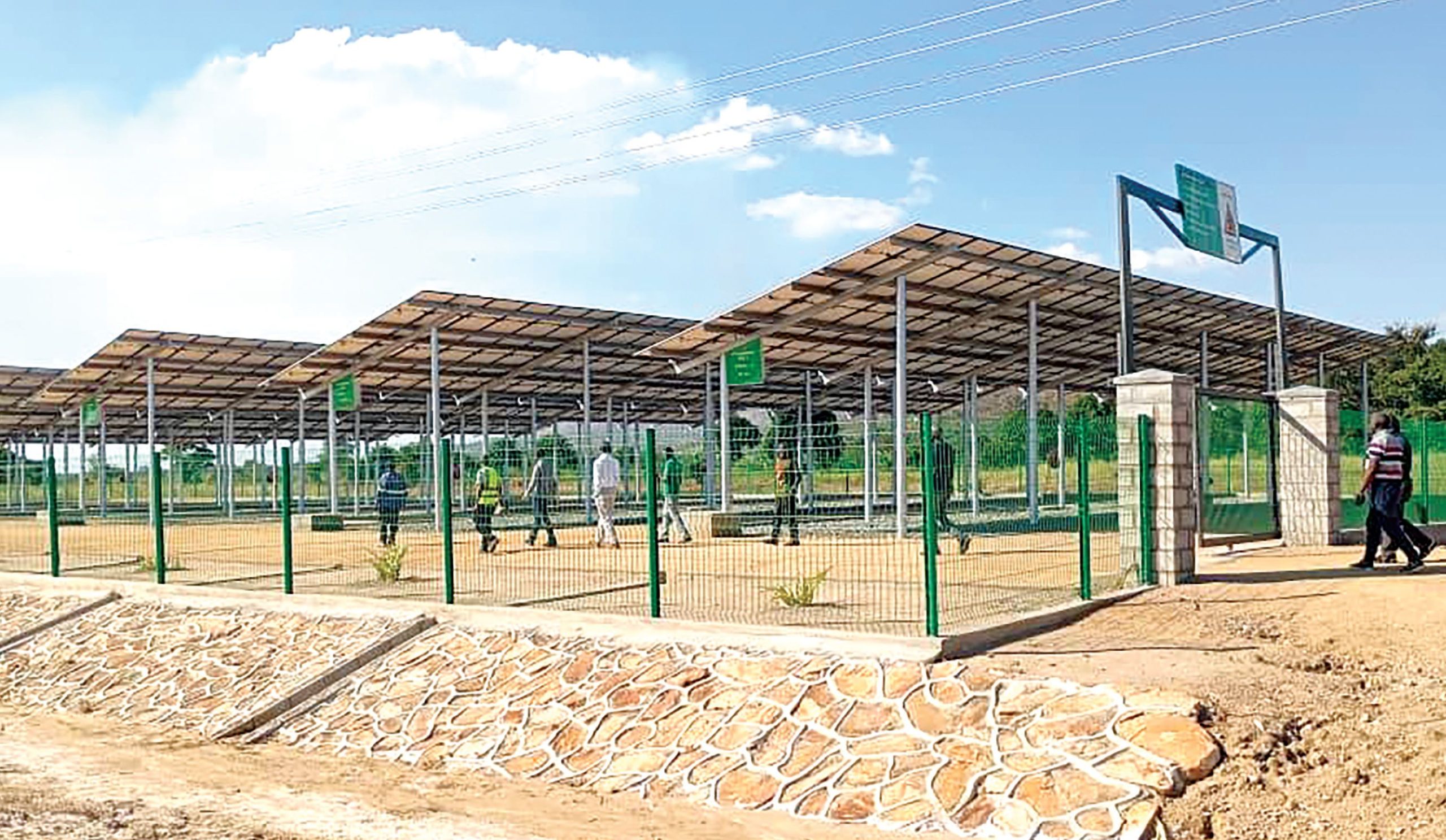
The Ministry of Natural Resources, Energy and Mining has described solar mini-grids as a critical solution for expanding electricity access to remote rural areas where grid extension is not feasible or would take a long time to reach.
Department of Energy spokesperson Joana Thaundi, said solar mini-grids are integrated into Malawi’s national electrification framework and the Integrated Resource Plan as a reliable and sustainable option for communities located far from the national grid.
“Mini-grid is one of the key solutions in enhancing electricity access in remote areas as it provides reliable and sustainable electricity to areas where grid is not feasible,” she said.
the national grid. | Nation
Thaundi added that Malawi has established a mini-grid development regulatory framework to ensure coordination between on-grid and off-grid electrification.
The framework guides where mini-grids can be developed and how they should be implemented, preventing duplication of infrastructure and the risk of stranded assets as grid expansion continues.
She further said Malawi currently has 14 operational micro and mini-grids supporting electrification in isolated rural communities.
The mini-grids complement grid extension efforts under the Malawi Rural Electrification Programme (Marep), particularly in areas where the cost of extending the grid is considered too high.
Last week, Ministry of Natural Resources, Energy and Mining said Malawi is scaling up electricity access and off-grid solar solutions as part of wider reforms to accelerate economic growth, climate resilience and household welfare.
The ministry’s deputy director Thokozani Malunga said government is working with international institutions to revamp the energy sector and has secured a $250.8 million (about K439 billion) World Bank grant to expand energy access under a programme dubbed Ascent Malawi.
Marep remains government’s main vehicle for rural electrification and is being implemented in phases with specific targets.
The programme is currently implementing Phase 9, which aims to electrify 460 sites nationwide.
Despite these efforts, access to electricity in rural areas remains a challenge, with the current rural electrification rate standing at 25.9 percent.
With government now combining grid expansion, solar financing and skills development, stakeholders say the challenge will lie in execution, coordination and public trust.
They argue that if the current electricity challenges are not addressed, the country will fail to realise its energy ambitions, with access rates expected to rise by only 30 and 35 percent by 2030.


Ingram: ‘Time for things to start clicking’

At SXSW, Cuban and eMed CEO Draw Contrast Between Them and Other “Marketing” Companies

Netflix’s ‘Frankenstein’ wins three Oscars, ‘KPop Demon Hunters’ wins two

Bob Vylan Banned From U.S. Over Glastonbury Controversy

For five older job seekers, finding new work took creativity, new skills and, in some cases, lowered expectations
