
Real Estate
5 ways to tackle the housing crisis in 2026

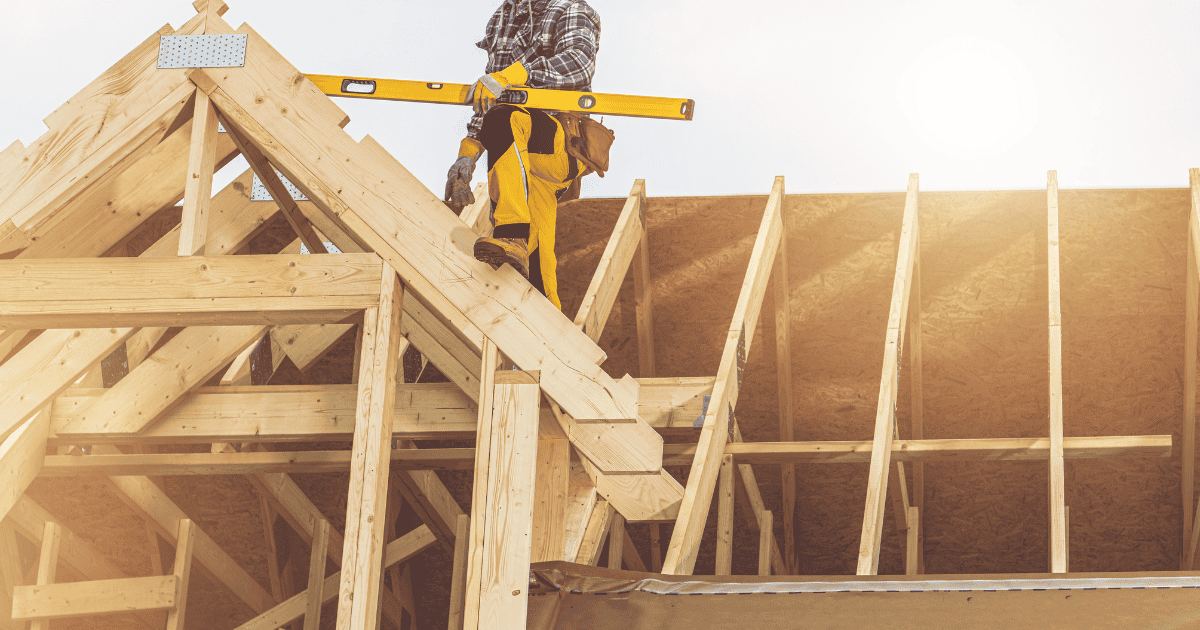
Many in the residential construction industry were happy to see 2025 in the rear-view mirror. However, 2026 could be equally disastrous for the sector if barriers to new housing are not addressed.
We are mired in the worst housing crisis in generations. Housing targets are not being met. Residential construction projects are being shelved. Sales have slumped. And jobs are disappearing.
A report card done recently for RESCON revealed that housing starts were down a whopping 34 per cent in municipalities in the Greater Toronto Area and Greater Golden Horseshoe over the first three quarters of 2025, relative to the January-to-September periods in 2021–24.
Condo apartment starts took a much bigger hit. They were down a monstrous 51 per cent in the first nine months of 2025 relative to the same time periods in the three preceding years.
The downturn has translated into 35,377 fewer person-years of employment over the nine-month period.
It is critical that we turn the tide. People are leaving our cities because they can’t find an affordable home in which to live. The out-migration will take a significant toll on our economy.
The good news is that fixes are within our reach. With that, I propose five ways to remedy the situation.
Cut taxes and fees on new housing
First, we must lower taxes, fees and levies on new housing. They presently account for 36 per cent of the purchase price of a home. On a $1-million home, $360,000 of that is due to the tax burden.
We are taxing new housing much like alcohol and tobacco. The difference is that housing is a basic need.
The federal and provincial governments have moved to eliminate the five-per-cent sales tax on new housing up to $1 million for first-time buyers, as well as reduce taxes on a sliding scale for first-time buyers of homes purchased between $1 million and $1.5 million. The province has committed to aligning with the federal rebate, which would mean an additional eight per cent off new homes for first-time buyers. Implementation is subject to the passage of federal legislation.
However, the federal legislation, known as Bill C-4, remains stuck in the Senate. It was approved in the House of Commons and sent to the Senate, but prior to Christmas, senators voted to adjourn until Feb. 3. The Upper Chamber did not complete its review before adjourning.
Rein in development charges
Second, runaway development charges (DCs) must be reduced. DCs are collected from developers for new construction to help fund infrastructure and services such as roads, water, sewers, parks, transit and police. However, they are also being used to fund projects such as daycares and schools.
New home buyers should not be forced to pay for growth that benefits entire communities.
Over the years, these fees have increased substantially, worsening affordability. In Toronto, DCs for a one-bedroom apartment increased to $52,000 in 2024 from $10,000 in 2014.
Although the Ontario Housing Supply Task Force recommended four years ago that action be taken to curb escalating DCs, the issue has not been addressed.
Speed up and modernize approvals
Third, the approvals process must be simplified, sped up and digitized on a common open-source platform, as has occurred in more advanced jurisdictions.
It takes far too long to get projects approved. Currently, it can take up to two years from the time a developer submits a building application to receiving approval. Platforms such as One Ontario offer a potential solution.
Better coordinate housing policy
Fourth, government efforts related to social housing and homelessness must be better coordinated.
Construction and housing could be aligned under a new super ministry focused on growth management. Given the importance of housing and infrastructure to the province’s future, governments should adopt clearer accountability, targets and timelines, as seen in other jurisdictions.
Fix the private market, not just public programs
Fifth, while off-site construction and the new Build Canada Homes initiative are important, they will not solve the problem on their own.
Private-sector builders are responsible for roughly 90 per cent of housing supply. It is therefore critical that governments focus on fixing the barriers affecting that market.
A coalition representing a broad range of industry stakeholders has been formed to advocate for broader sales tax relief, changes to development charges and faster planning approvals.
Without concerted action, the industry’s dire circumstances will persist. Canada cannot compete with jurisdictions such as the United States if housing remains uncompetitive.


Richard Lyall is president of the Residential Construction Council of Ontario (RESCON). He has represented the building industry in Ontario since 1991. Contact him at [email protected].


Ford government poised to waive HST on all new homes as sector struggles

ECB and Bank of England to Stand Pat as Iran Conflict Upends Forecasts

2 dead after 4 rescued from Ottawa high-rise apartment unit on fire: officials – Ottawa

Bob Vylan Banned From U.S. Over Glastonbury Controversy

For five older job seekers, finding new work took creativity, new skills and, in some cases, lowered expectations
