
Real Estate
Starter homes under $300K have vanished in dozens of cities

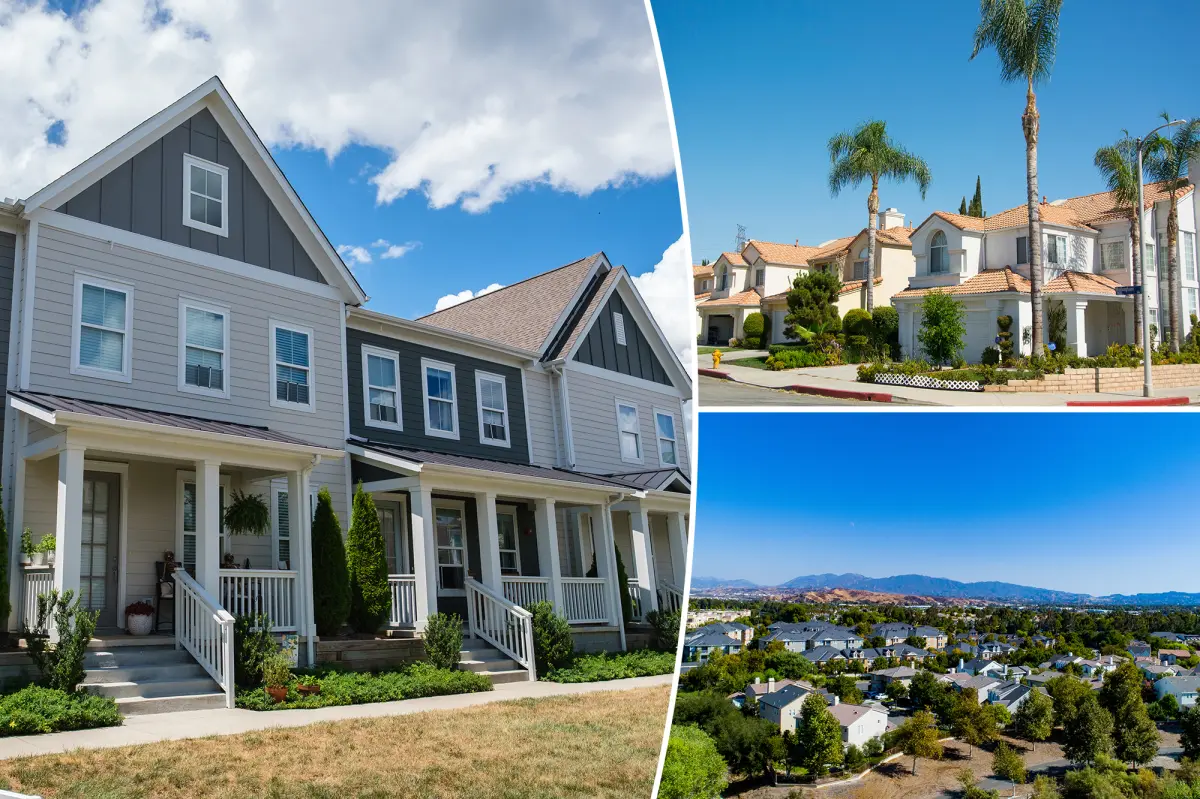
The American starter home is disappearing fast — and in dozens of cities, it’s already gone.
A new Ziffy analysis of active listings across 855 US housing markets shows that homes priced below the once-standard $300,000 entry point have all but vanished.
In 42 markets, there isn’t a single house or townhome listed under that level. In another 13, sub-$300,000 properties make up less than 1% of inventory, meaning buyers face a wall of listings priced far above what used to qualify as a first rung on the ownership ladder.
Nationwide, the imbalance is stark. Nearly two-thirds of all active listings are now priced above $300,000, leaving just over a third below that threshold.
And when local starter-tier prices climb past $300,000, affordable inventory collapses almost entirely, dropping to under 3% of available homes.
“With mortgage rates surging to their steepest rise in history beginning in early 2022, as the Fed pivoted to higher interest rates, the ‘lock-in effect’ has kept many new, starter listings off the market,” Jonathan Miller, of Miller Samuel, told The Post.
“A homebuyer enjoying a 2.75% rate isn’t anxious to become a buyer in a 6.3% housing market, so they don’t list their property.”
The crunch is most brutal in the country’s biggest and priciest metros.
New York and Los Angeles together have more than 7,700 homes for sale, yet fewer than 70 are listed under $300,000 — well under 1% in each city. In practical terms, that makes entry-level buying in those markets close to impossible.
Even markets that appear “affordable” on paper don’t always deliver in real life. In Miami, for example, entry-tier home values suggest prices below $300,000 should exist — but fewer than two dozen listings actually fall under that mark, again representing less than 1% of inventory.
“Overall, the lower the purchase price, the greater the likelihood of being dependent on mortgage rates,” Miller said. “Therefore, higher mortgage rates have sharply curtailed the number of lower-priced listings entering the market. In many respects, this is a key reason the lower half of the housing market is seeing far fewer transactions.”
The pricing gap doesn’t just shut buyers out at the listing stage.
In higher-cost regions, saving for a traditional 20% down payment on a starter-tier home can take a decade or longer, even for households setting aside 10% of their income each year.
In some markets, the timeline stretches towards two decades, turning homeownership into a long-range hope rather than a near-term goal, and Miller doesn’t see any relief in the future.
“This condition illustrates the phenomenon that low mortgage rates during the pandemic made housing less affordable by burning through available inventory in entry-level markets,” Miller said. “Going forward, if mortgage rates drop sharply, housing prices would rise significantly, worsening the affordability problem.”


McDavid leads Oilers to 3-1 win over Predators

The AI boom has sparked a frenzied real-estate market in San Francisco after a yearslong slump. “It’s just skyrocketed,” says one house hunter.

Lakewood Civic Centre’s big blue waterslide closed for safety risks

Bob Vylan Banned From U.S. Over Glastonbury Controversy

For five older job seekers, finding new work took creativity, new skills and, in some cases, lowered expectations
