
Economy
Pipeline expansion accelerates in Montgomery County as energy companies build major natural gas corridors » ¡Que Onda Magazine!

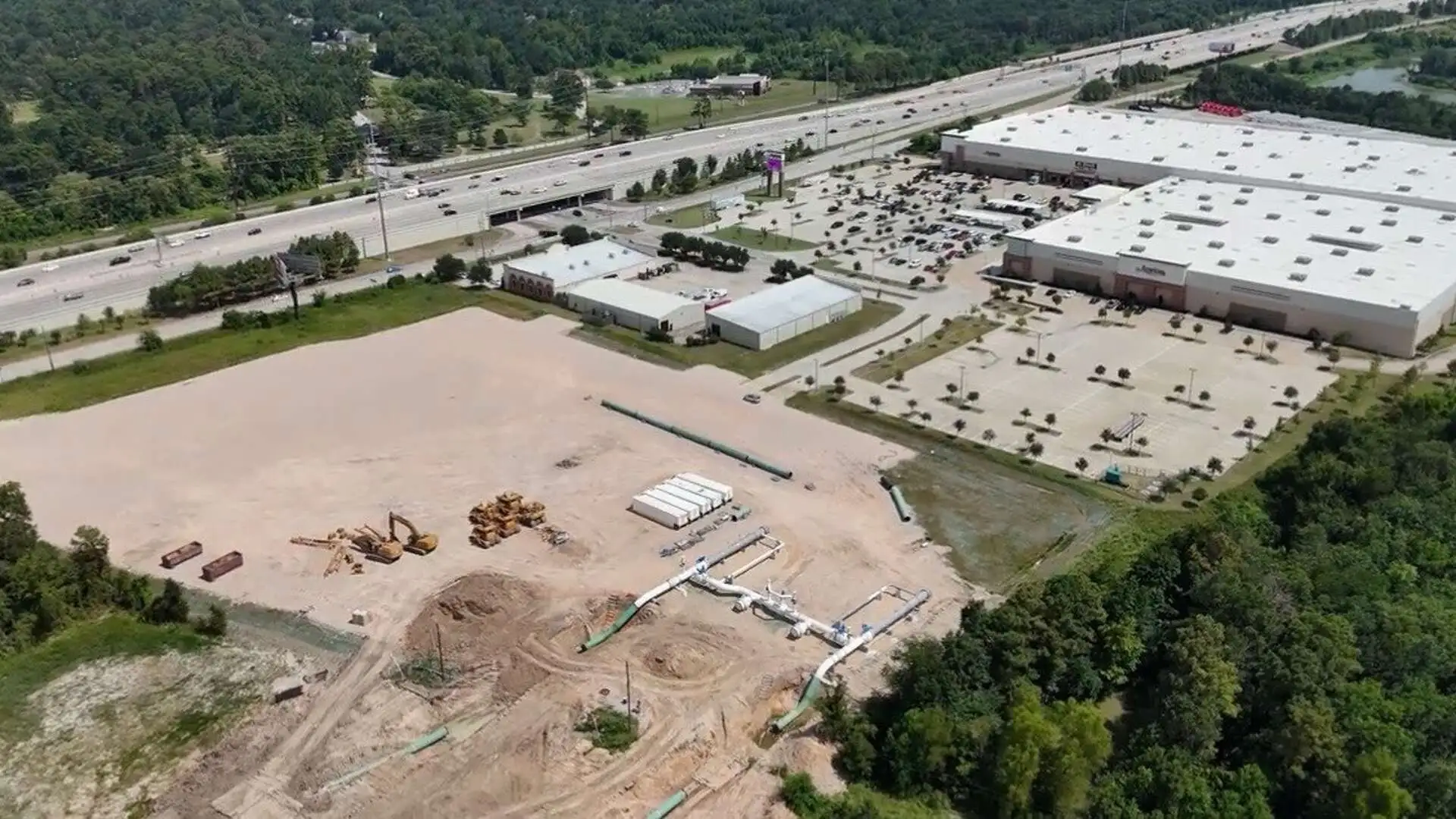

A surge of new oil and gas pipeline construction is reshaping parts of Montgomery County as energy companies expand infrastructure to meet growing demand along the Gulf Coast.
Multiple large-scale natural gas and natural gas liquids projects are underway or in advanced planning stages, drawing attention from local officials and residents concerned about safety, environmental impacts and proximity to neighborhoods.
Texas has roughly 483,000 miles of pipelines crisscrossing the state, according to industry data, and Montgomery County sits along key corridors linking the Permian Basin and other production regions to refineries and export terminals on the coast.
Major projects underway
Among the most prominent developments is the Blackfin pipeline, led by WhiteWater Midstream. The 193-mile natural gas pipeline is designed to transport up to 3.5 billion cubic feet of gas per day. Construction began in late 2024, with the line running through several Southeast Texas counties, including Montgomery.
The project drew scrutiny after plans for a compressor station near Conroe prompted community opposition. Residents raised concerns about noise levels, emissions and the facility’s distance from homes and businesses. Legal challenges temporarily halted work at the proposed site before relocation plans were pursued.
Another large proposal, the Mustang Express pipeline, is being developed by ARM Energy Holdings LLC. The 240-mile intrastate line would move up to 2.5 billion cubic feet of natural gas per day from Colorado and Waller counties toward liquefied natural gas facilities in Port Arthur. Construction is expected to begin later this decade, pending permitting and surveys.
The Bahia NGL pipeline, operated by Enterprise Products Partners with a stake held by ExxonMobil, became operational in December 2025. The 550-mile system transports natural gas liquids such as ethane and propane from West Texas to Gulf Coast processing hubs. Additional capacity expansions are planned through 2027.
Meanwhile, Kinder Morgan is constructing the Trident intrastate pipeline, a 216-mile natural gas line expected to carry about 2 billion cubic feet per day when completed. The project is slated to enter service in 2027.
Oversight and local response
Oil and gas pipelines in Texas are regulated by the Texas Railroad Commission, which oversees permitting and safety standards. Counties do not have direct authority over routing decisions, though local officials say they monitor projects closely.
Montgomery County Judge Mark Keough has said the county supports responsible energy development but remains cautious about facilities near densely populated areas. He has voiced opposition to placing compressor stations close to residential neighborhoods, citing safety and quality-of-life concerns.
Industry representatives maintain that pipelines are one of the safest and most efficient methods of transporting energy products, reducing the need for tanker trucks on highways and lowering traffic risks.
As Montgomery County continues to grow rapidly, the intersection of residential development and energy infrastructure is likely to remain a focal point of debate. For now, construction crews continue laying pipe beneath fields and roadways, expanding the underground network that fuels much of the state’s economy.


$700M in Iran war bets and $1.2M in suspicious profits push Washington toward prediction-market crackdown

Landlord Charles Cohen lands cafe at Decoration & Design Building amid Fortress dispute

Ingram: ‘Time for things to start clicking’

Bob Vylan Banned From U.S. Over Glastonbury Controversy

For five older job seekers, finding new work took creativity, new skills and, in some cases, lowered expectations
