
Real Estate
The unexpected lessons of walking the Camino after 30 years in real estate

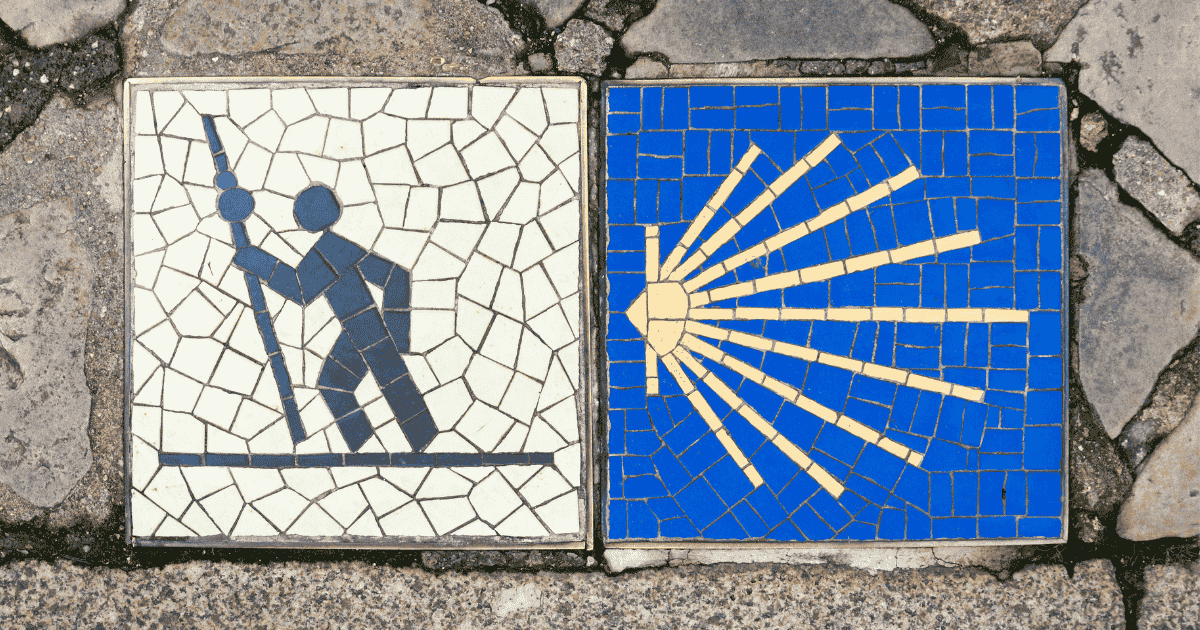
Camino De Santiago sign (Canva)
Like thousands of other people, after watching the movie The Way with Martin Sheen, I decided to walk the Camino de Santiago (The Way of St. James, often shortened to just the Way) last fall, purportedly the route he took as he evangelized Spain. I noticed the coincidence that the Way is also a concept for life as outlined in the Tao Te Ching. And like thousands of other people, I decided to walk it for the wrong reasons — it looked like a fun adventure.
In the movie, the main characters were all walking the Camino for some personal reason and, as it turned out, they got what they wanted in varying degrees, but they all got what they needed in a profound manner. While that’s all sweet in Hollywood movies, you don’t just go for a walk and expect a life-changing experience in the real world. Sure, it will be fun and exciting, but don’t expect any epiphanies.
A fun adventure — nothing more
Source: Gerald Tostowaryk
As I did my preparation and research, I found that the Camino de Santiago was a thousand-year-old Catholic pilgrimage. There seemed to be a lot of emphasis on why you are walking the Camino, with many articles emphasizing the importance of understanding this.
Being a well-adjusted person with 30 years of real estate experience and a good life, I gave it little thought and set about preparing for the physical challenges. I began hiking three to five kilometres three times per week with an eight-pound pack, slowly increasing distance and weight until, when the day approached, I was hiking 12 to 14 kilometres two to three times per week with a 15-pound pack. I was ready for my fun adventure; what could go wrong?
Apparently, everything.
I don’t recall anywhere in the movie where they had sore feet, shin splints or swollen ankles. By the second week, I — and a few thousand of my closest friends — were limping, and most of us were wearing compression socks, compression sleeves and bandages. Fortunately for us, after a thousand years of pilgrims, most of the farmacias along the route are experts in foot problems and they fixed us up well. My left foot hurt almost every day, but I made it.
‘Why are you walking the Camino?’
As well, most fellow pilgrims are always willing to share their foot knowledge and their bandages. Now, after 30 years in real estate, where everyone is trying to negotiate something from you, I noticed right away that my fellow pilgrims were offering something for nothing. But after 30 years in the industry, I know there is no such thing as something for nothing, and I was cautiously skeptical. I’m no cynic, just street-smart.
I also noticed a lot of pilgrims asking, “Why are you walking the Camino?” Clearly, they had watched the movie and read the articles as well. My first morning, I ended up walking a few kilometres with a young man who was walking the Camino for his partner, who had taken his own life just months before. The partner’s mother moved in and claimed the body, leaving this man with nothing to remember him by. Now, this was a sad story and it touched me deeply, and I’m no cynic, but if you have issues in your life, going for a walk is no way to solve them. It is a fun adventure, nothing more.
And a fun adventure it was. The 780-kilometre route meanders westward through northern Spain, and the rolling hills are spectacular. Spain was spared the bombing of the Second World War, and every town is a parade of stunning structures that have stood for hundreds of years — some a thousand or more — watching silently as kings, wars and more pilgrims came and went. The large cities have amazing architecture, and I particularly fell in love with Leon and Santiago de Compostela, the final destination.
A thousand years of pilgrims
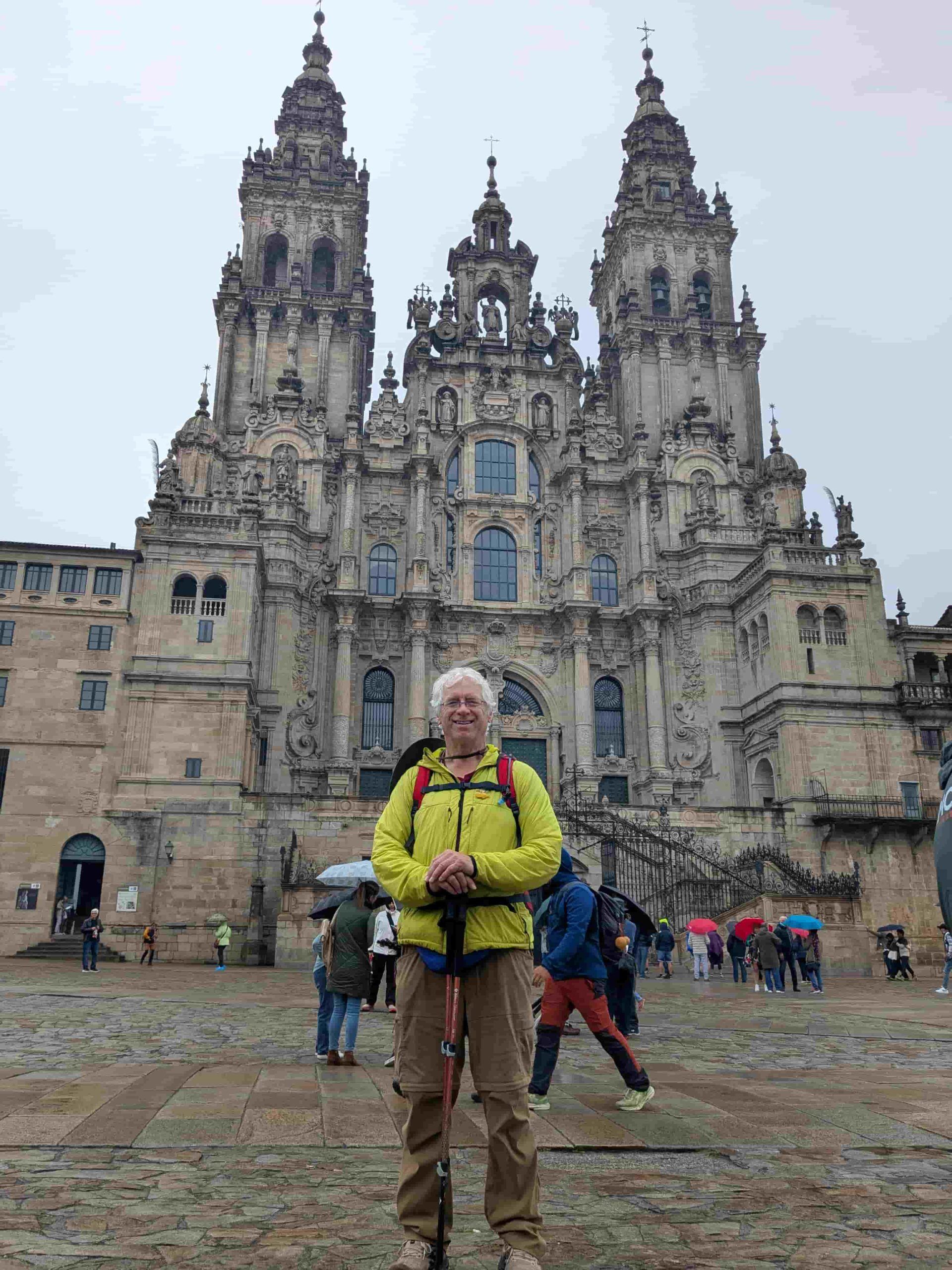
Source: Gerald Tostowaryk
There are magnificent old churches in every town, and I went to Mass many times along the route. Not understanding Spanish, my mind noticed many things I had never noticed before, and the Mass came to life in new ways. The priests and nuns would often bless the pilgrims, taking care to bless each of us individually. Many non-Catholics were present at most Masses, and if you are not Catholic, you can still approach during communion — just cross your hands across your chest when you get to the front and the priest will bless you.
I love food, and trying Spanish cuisine was a joy, but we didn’t get much time to spare for exotic meals. Each day is the same: get up, walk, eat breakfast, walk, eat lunch, walk, check in at your albergue (similar to what we’d call a hostel), shower, snooze, do laundry, book your next albergue, eat supper, go to bed. Time is tight, and breakfast is usually a tortilla — a potato-and-egg dish in Spain — and lunch is usually a bocadillo, or sandwich.
The meal of the day is supper, and this is an affair to be remembered. Most albergue owners home-cook the meal, and we pilgrims break bread together in the beautiful, timeless tradition of a communal supper, sharing our stories of the road. I also had many great conversations with albergue owners — people who open their homes to pilgrims not just as a living, but because they care deeply about humanity. You meet a lot of people and share a lot of stories, and you run into many of the same people multiple times along the way, forming lifelong bonds with a few of them.
‘Buen Camino’
You also meet a lot of Spanish locals and simply share a conversation. I found the people of Spain to be incredibly welcoming, like the old man with his dog whom I chatted with at a rest stop, or the farmer at the side of the road handing out extra bunches of grapes to pilgrims for free. Many of them smile and wish you Buen Camino.
I met an older Spanish pilgrim named Javier. He was 81 and walking his 12th Camino. We spent three days together and formed a special bond. At a church-run albergue, we were having a session where pilgrims shared why they were walking the Camino. Again, more tragic stories came out, and a young Chinese man shared his story. I had seen him earlier that day on the trail and judged him to be rather aloof, probably thinking he was better than the rest of us. His father had asked him to move back to China and he refused; as a young man, he had a life to live. Shortly after that, his father passed away, and he was walking the Camino because he wanted his father to be happy in heaven, knowing his son was sorry. Clearly, the guilt was wracking him.
Did I judge this man wrong? Am I a cynic? No — probably coincidence — and I shook it off. Then Javier shared something about his wife in broken English before he broke down in tears. We cried together, and later that evening at Mass, we cried again.
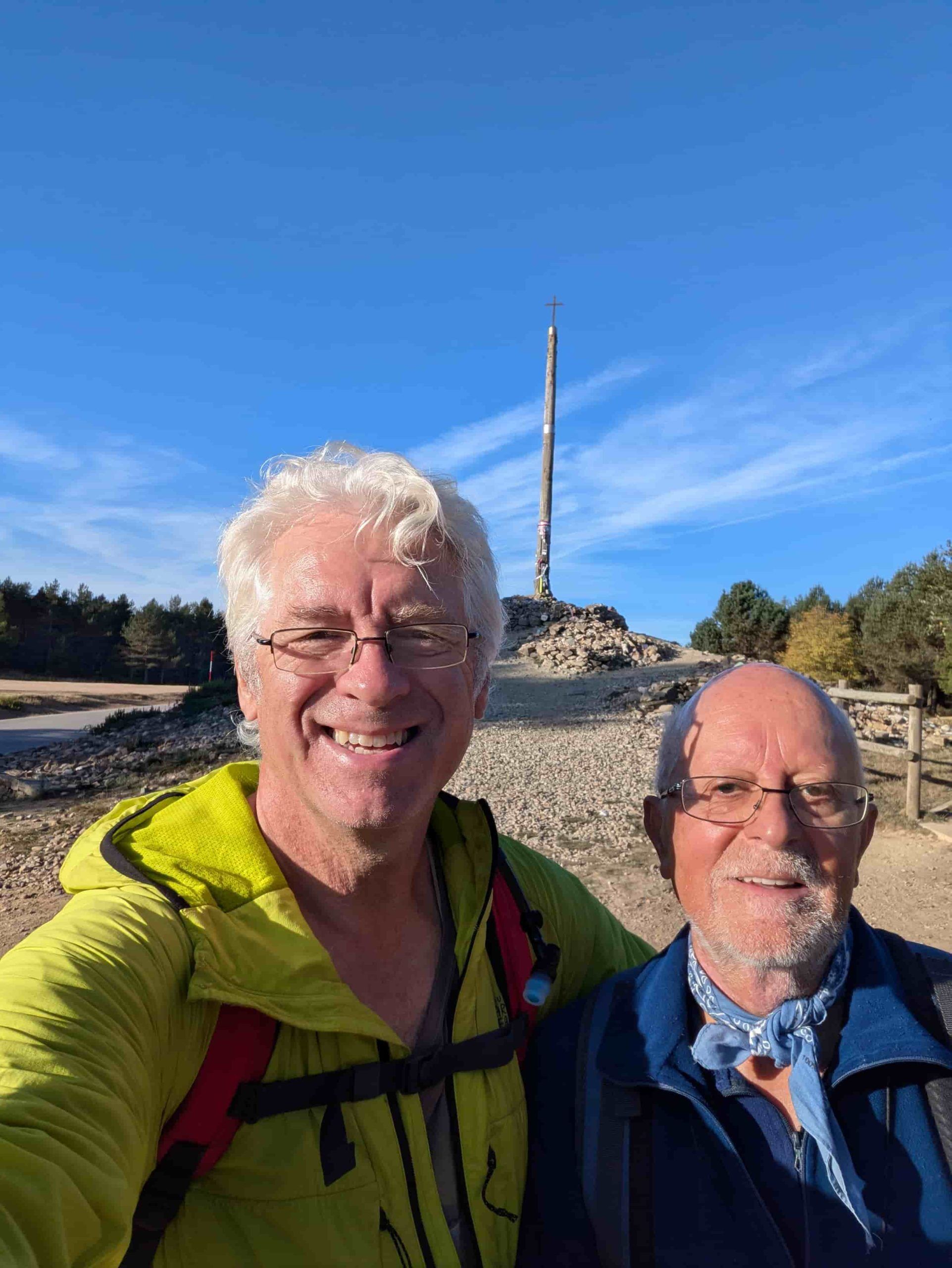
L to R: Gerald and walking companion, Javier (Source: Gerald Tostowaryk)
On our third and final morning together, Javier told me, “We walk together the whole day.” After 30 years in real estate, I was surprised by people like Javier who wanted nothing from me other than true friendship. I was beginning to question whether I was indeed cynical.
That day was one of the most powerful days on the Way. We passed the Cruz de Ferro, or Cross of Iron, where you throw your stone at the foot of the cross and leave all your cares with God. Javier showed me a secret alternate path, generally known only to locals, that bypassed one of the steepest and most hazardous parts of the route. My foot was bothering me, and I was slowing him down. The hot Spanish sun beat down on us mercilessly, and he had four more kilometres than me to walk that day. Being 81, I didn’t want to put him at risk and told him to go on ahead. He looked deep into my soul and said six words: “We walk together the whole day.”
That moment touched me deeply. Later that day, as we parted — perhaps never to see each other again — we hugged and I fought back tears. I had never met a man like Javier.
The way you can talk about is not the Way
Another young woman I met and ran into a couple of times, when sharing her story after supper about why she was walking the Camino, said nothing more than, “I have to believe there’s still hope.” I have no idea what happened to her to feel this way at such a young age, but once again I fought back tears.
There were so many others, like the young man from Toronto whom I again prejudged based on his appearance and turned out to be completely wrong. I finally realized that after 30 years in real estate, negotiating everything with everyone, maybe I was cynical and doing a lot of prejudging. I resolved to change that, realizing that I got what I wanted — my grand adventure — but more importantly, I got exactly what I needed. Hey, wait a minute — just like the movie.
I wish I could share all my experiences with other pilgrims, but even if I could, words could never adequately express the range of emotions you feel cascading over you in a grand adventure like this. At the beginning of this story, I mentioned how the Way shares the same name as the life concept in the Tao Te Ching. At the very beginning of this book it says the way you can talk about is not the Way. How true that is.
Words cannot adequately describe the experience I had on the Way. I now realize why people walk the Way of St. James, and I will be going back. I urge you to go as well; you will get what you need.
Buen Camino.

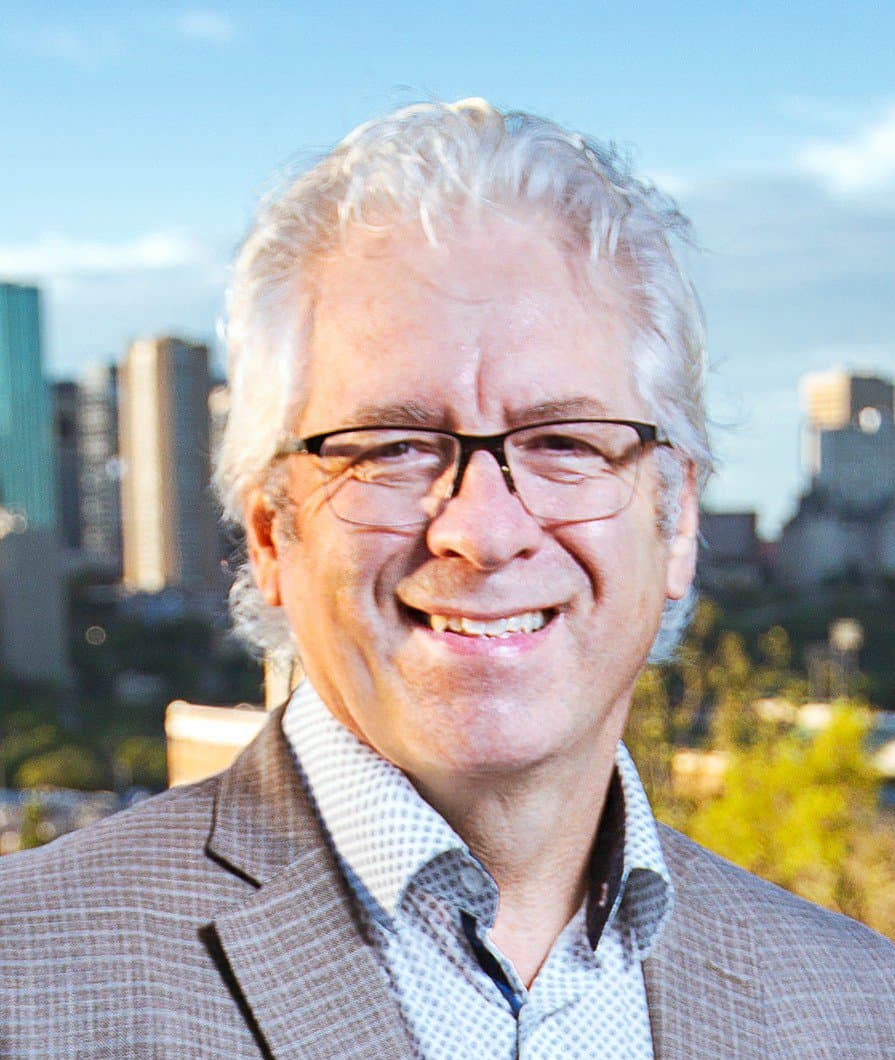
Gerald has been a licensed real estate agent for thirty years and an industry instructor for over twenty. He has served on several committees with the Realtors Association of Edmonton and on the Board of the Real Estate Institute of Canada (REIC) Edmonton chapter. He is also an ethics instructor for REIC nationally and enjoys family, various sports, and the outdoors. Check out his popular real estate podcast The Real World of Real Estate here.


Trinidad and Tobago extends state of emergency for 3 months over crime

U.S. politics are getting more polarized and, increasingly, so are state income-tax systems

'The risk is real': Two tigers must be removed from residential property, says mayor of Ontario town

Bob Vylan Banned From U.S. Over Glastonbury Controversy

For five older job seekers, finding new work took creativity, new skills and, in some cases, lowered expectations
