
Real Estate
Q&A with The Hripko Team, Royal LePage Benchmark

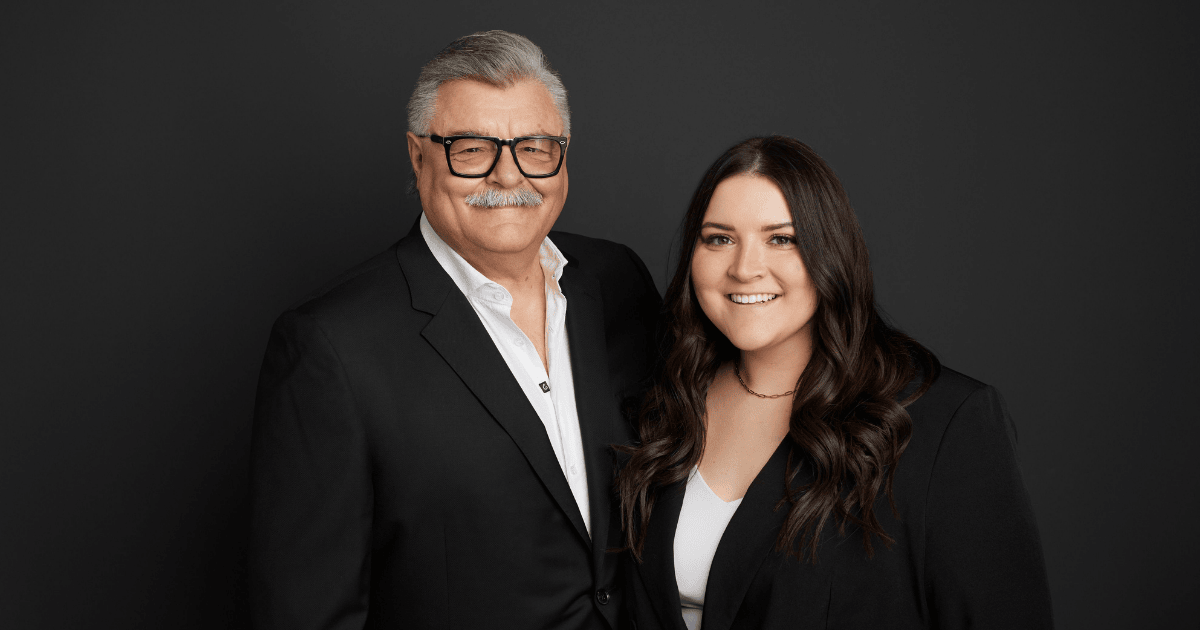
John and Alex Hripko (supplied)
Real Estate Magazine shares insights, experiences and advice from top-performing teams and agents across Canada. If you’d like to nominate yourself, or a colleague or team, send us an email.
Built on nearly four decades of industry leadership, the Hripko Real Estate Team blends legacy expertise with next-generation strategy. Founded by John Hripko, one of 31 inaugural members of Royal LePage’s Chairman’s Hall of Fame, the team has long been a fixture in Calgary real estate. Today, alongside his daughter, Alex Hripko, the business continues to evolve.
In this Q&A, Alex shares how she stepped into the industry, what it means to carry forward a family legacy and how she’s shaping the team’s next chapter through systems, brand development and operational discipline.
Team: Hripko Real Estate Team Agents: 4 (including John and Alex)
Brokerage: Royal LePage Benchmark Support staff: 2;
Markets served: Calgary and surrounding areas
REM: How did you first get into real estate?
AH: I really grew up in real estate. Both of my parents have been in the industry for as long as I can remember — my dad in residential sales and my mom owning and operating a property management company.
That said, my original path looked very different. I earned a biology degree with a chemistry minor and fully expected to pursue a career in the medical field. I was working for a surgeon when I was invited to join my parents at a Royal LePage Chairman’s Retreat. That trip completely shifted my perspective — I call it my “TSN turning point.”
Being surrounded by top-producing agents and hearing their stories made me realize this was something I could build for myself. I remember sitting down with Mark Faris and absorbing everything he shared. From that moment on, I made it a priority to learn from high-level professionals. I got licensed, stepped into the business full-time and I’ve never looked back.
REM: When did you decide to build a team and why?
AH: Building a team wasn’t something I set out to do independently. I had the unique opportunity to step into an already established foundation alongside my dad, who had built the team over many years.
Over time, through trust, growth and a shared vision, my role evolved naturally. What began as joining the team became a legacy and transition plan. I’ve taken on leadership and day-to-day management, which has allowed him to step back and focus on the parts of the business and life that he enjoys most.
It’s been meaningful professionally and personally. I’m carrying forward what he built while shaping the next chapter in a way that reflects my own leadership style and vision.
REM: What roles do each of you play today?
AH: I wear many hats, supported by a strong team behind the scenes and in collaboration with my dad and our agents. Vision, strategy and major leadership decisions are shared, but my role has evolved to take greater ownership of operations, brand direction and day-to-day management.
John brings invaluable experience, mentorship and long-standing industry relationships. I’m deeply involved in guiding our agents, nurturing client relationships and shaping our team culture.
Where we complement each other is in execution. I focus heavily on systems, growth and brand evolution, while he brings perspective and wisdom that only come from decades in the business. It’s a true partnership that blends legacy with forward momentum.
REM: What were the first three key hires that changed your business?
AH: Because I stepped into an established team, some foundational hires were already in place. Having strong administrative support from the beginning was incredibly impactful. It allowed us to focus on clients and growth instead of being pulled into every operational detail.
The next pivotal hire was a dedicated client care co-ordinator who also supports operations. That role shifted how we work day to day. It created space for more meaningful one-on-one time with clients while ensuring systems, communication and critical details were handled at a high level. It elevated both the client experience and our efficiency.
And while not a traditional business hire, one of the most transformative decisions I made personally was hiring a nanny, and later a housekeeper, after becoming a mom. With a young daughter at home, that support allowed me to stay present in the business while protecting time for my family. For me, building the right support structure at home has been just as important as building the right team in business.
REM: What advice would you give a team leader making their first hire?
AH: Don’t wait until you’re overwhelmed. Build support slightly before you think you need it. The right person should create capacity, not just help you survive the workload.
And learn to let go. That’s often the hardest part for high-performing leaders. When you know you do something well, it’s uncomfortable to hand it off. But real growth happens when you step out of the tasks that keep you busy and focus on the work that truly moves the business forward. Trusting someone else to take ownership creates space for bigger opportunities, for you and for the team.
REM: What are your top three sources of leads today?
AH: Repeat and referral clients, agent-to-agent referrals and strategic alliances.
Our business has always been relationship-driven, so a large portion comes from past clients and the trust we’ve built over time. We’ve also developed a strong referral network with agents across Canada. And our strategic partnerships, through aligned businesses and community connections, consistently connect us with clients looking for a higher level of service and expertise.
REM: How does your marketing allocation shift?
AH: It depends on the market cycle. In fast, buoyant markets, our overall spend decreases, sometimes to around five per cent, because momentum comes organically through referrals and demand.
In more balanced or buyer-leaning markets, we become more proactive. Our investment typically averages closer to seven to eight per cent. During those periods, we lean into targeted campaigns, elevated listing exposure and brand visibility to ensure our clients’ homes stand out and that we’re generating consistent opportunities.
REM: If you had to cut one channel tomorrow, which would hurt most?
AH: Without question, losing repeat and referral business would have the biggest impact. That’s the foundation of everything we’ve built. It reflects trust, long-term relationships and the client experience we strive to deliver every day.
Marketing strategies can evolve. Relationships create sustainability. That’s why we invest heavily in staying connected and providing value beyond the transaction.
REM: How does a new lead get handled in your system?
AH: It depends on the source and how warm the lead is, but the first step is always speed and structure. Online leads receive an immediate automated response and are entered into a nurture sequence right away. Cold leads are nurtured longer, while referrals are handled more personally from the start.
Every lead is logged into our CRM, and follows a defined lead flow. We qualify, assign next steps and move through consistent follow-up until we can book a face-to-face appointment. That’s the moment we aim for, relationships and clarity are built fastest in real conversation.
REM: Do you use ISAs?
AH: Not currently. We’ve experimented with that model, but strong CRM automations and well-built nurture systems are a better fit for how we operate.
We focus on consistent, personalized touchpoints through technology first, then step in with a relationship-driven approach once the lead is ready for meaningful conversation. It keeps us efficient without sacrificing the personal experience our clients expect.
REM: What’s your response-time goal?
AH: For new online inquiries, our goal is within five minutes — often faster. With CRM automations, the initial touchpoint happens almost instantly.
For warmer introductions, such as referrals, communication usually comes through email or text. While those aren’t always immediate, we aim to respond within a few hours whenever possible. For us, it’s about balancing speed with thoughtful, personalized communication.
REM: What’s in your tech stack?
AH: Our CRM is Follow Up Boss. Our website is TeamHripko.ca.
REM: Other tools you can’t live without?
AH: Canva, Typeform, ChatGPT, Instagram, YouTube and CapCut.
REM: How much do you reinvest into the business?
AH: On average, we reinvest approximately 7.7 per cent of revenue into marketing and between eight and 12 per cent into staff.


Jordana is the editor of Real Estate Magazine. You can reach her by email.


Trinidad and Tobago extends state of emergency for 3 months over crime

U.S. politics are getting more polarized and, increasingly, so are state income-tax systems

'The risk is real': Two tigers must be removed from residential property, says mayor of Ontario town

Bob Vylan Banned From U.S. Over Glastonbury Controversy

For five older job seekers, finding new work took creativity, new skills and, in some cases, lowered expectations
