Canada and the EU are pursuing deeper cooperation in Montreal, but the proposed associate-member title is contested and not adopted in the draft joint declaration.
An ambitious proposal, not EU membership
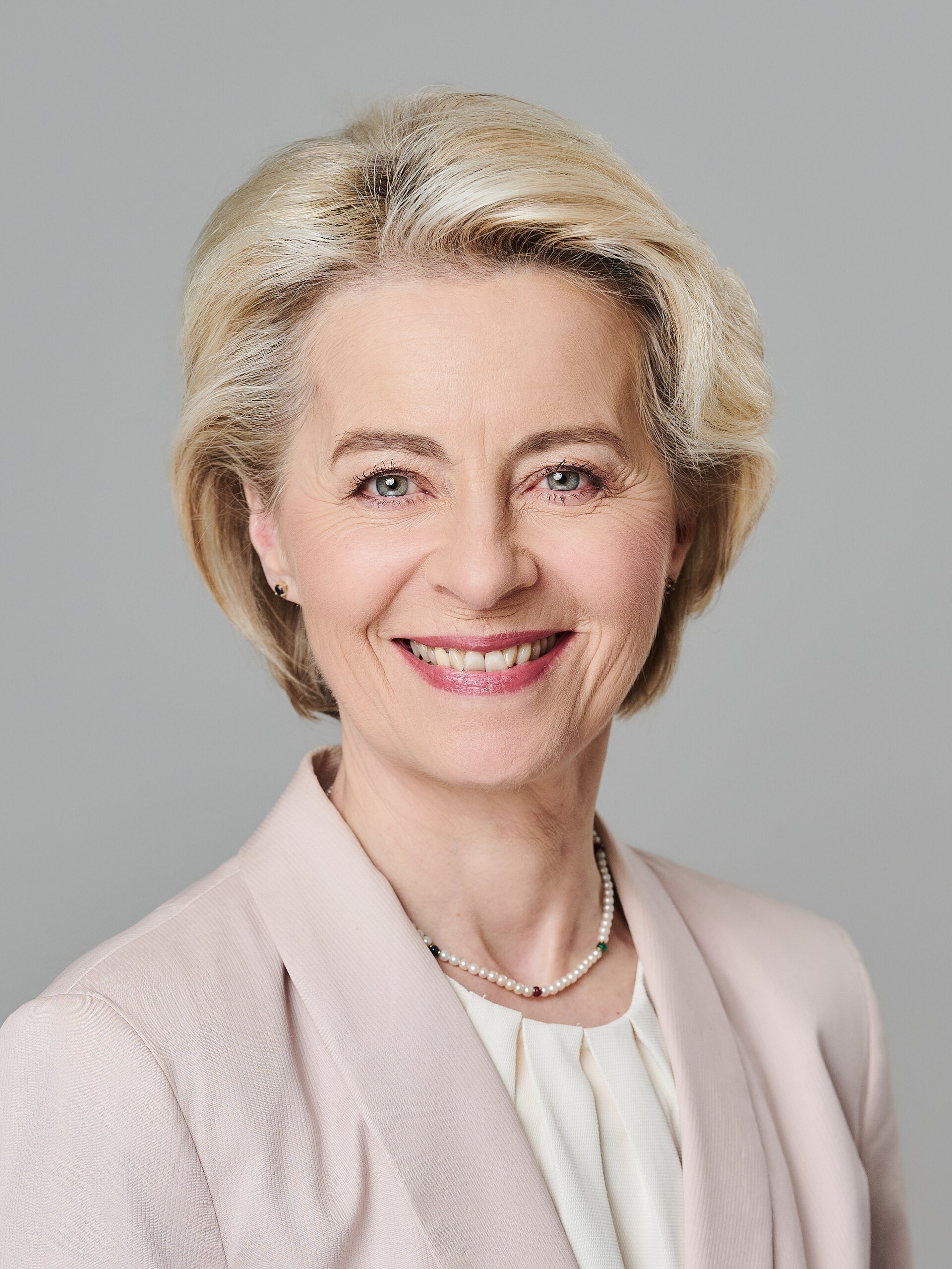
At the Canada–EU summit in Montréal on Thursday, October 29, European Commission President Ursula von der Leyen argued that the relationship could evolve into an unusually close form of association. She described the idea as an association without accession: Canada would not join the European Union but could work more closely with it in economic and security matters. Reuters reported that some EU governments objected to the undefined phrase 'associate member,' and the draft joint statement instead calls for an 'ever closer association.' The draft wording is not itself a rejection of cooperation with Canada.
What the partners are actually discussing
The European Council lists trade, digital policy, critical raw materials, defence and security, research, education and youth exchanges on the October 29–30 summit agenda. An 'Alliance for the Future' is expected to frame further work. Canada's existing free-trade relationship with the EU and participation in selected European initiatives remain separate from the still-unsettled proposal for a new label. The final joint statement is expected after the Friday talks, and its text, not diplomatic speculation, will establish the agreed language.
What has been announced on the sidelines
On October 29 Prime Minister Mark Carney announced a planned federal equity investment of up to C$1.6 billion in Toronto-based artificial-intelligence company Cohere, with private-sector participants including NVIDIA, Bell and Schwarz Group. The technology announcement illustrates the kinds of Canadian–European industrial ties leaders are advocating, but it is a separate domestic investment decision and should not be described as evidence that associate membership has been approved. EU and Canadian officials have also discussed research computing and infrastructure links.
What happens after Montréal
The EU says the summit should launch additional work rather than settle every aspect of a future alliance. National governments, European institutions and Canada would have to agree on any concrete new commitments through their applicable procedures. Claims that the EU has 'rejected Canada' overstate the dispute: the verified disagreement concerns a proposed label and its undefined implications, while both sides publicly support closer relations. CDN News will check Friday's published statement for binding commitments, timetables and changes in wording.
Sources & transparency
European Council — EU-Canada summit, 29–30 October 2026Reuters — associate-member wording and leaders' comments, October 29Prime Minister of Canada — Cohere equity investment, October 29Original CDN News coverage. Sources are linked for reference.
Request a correction