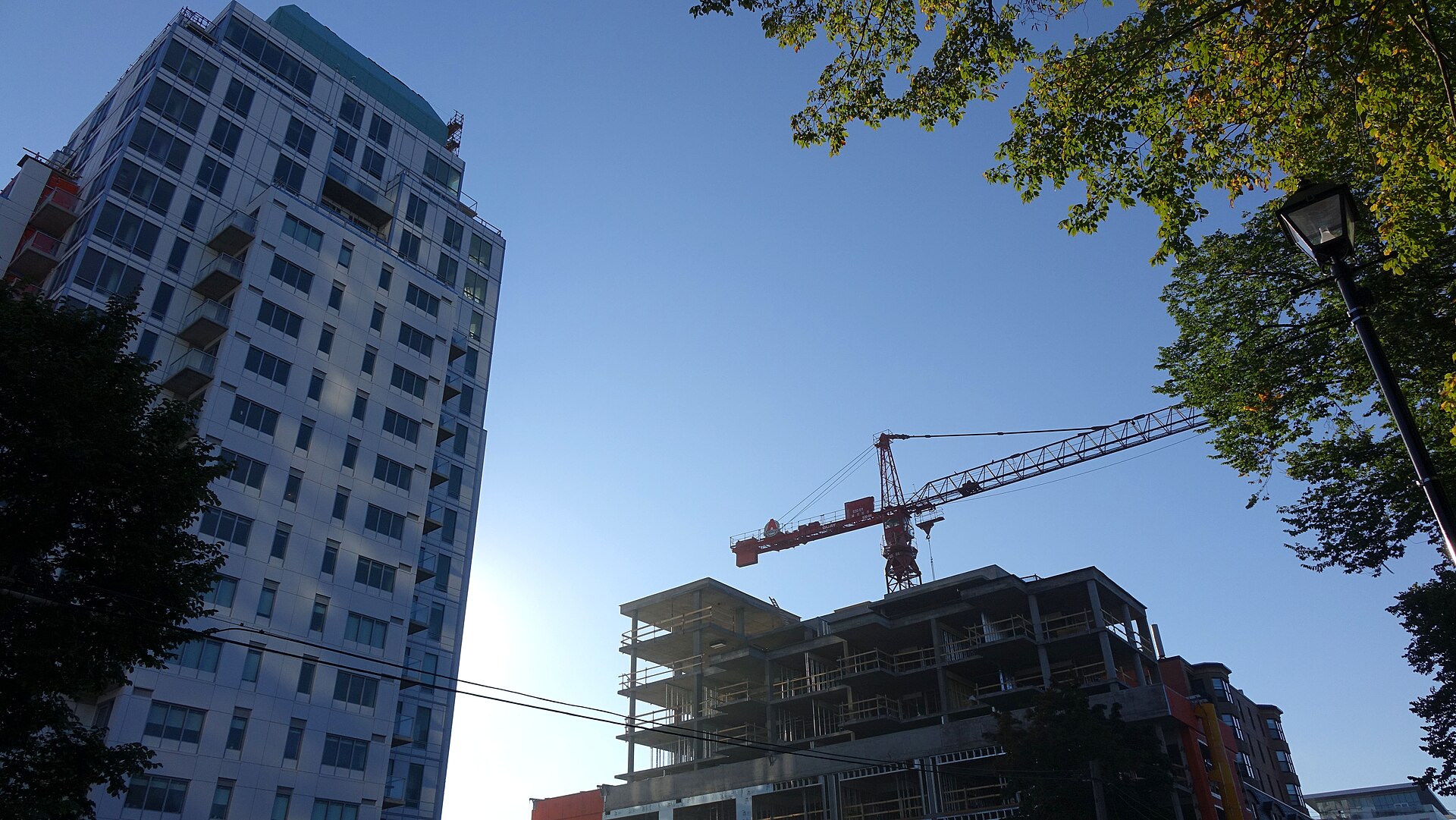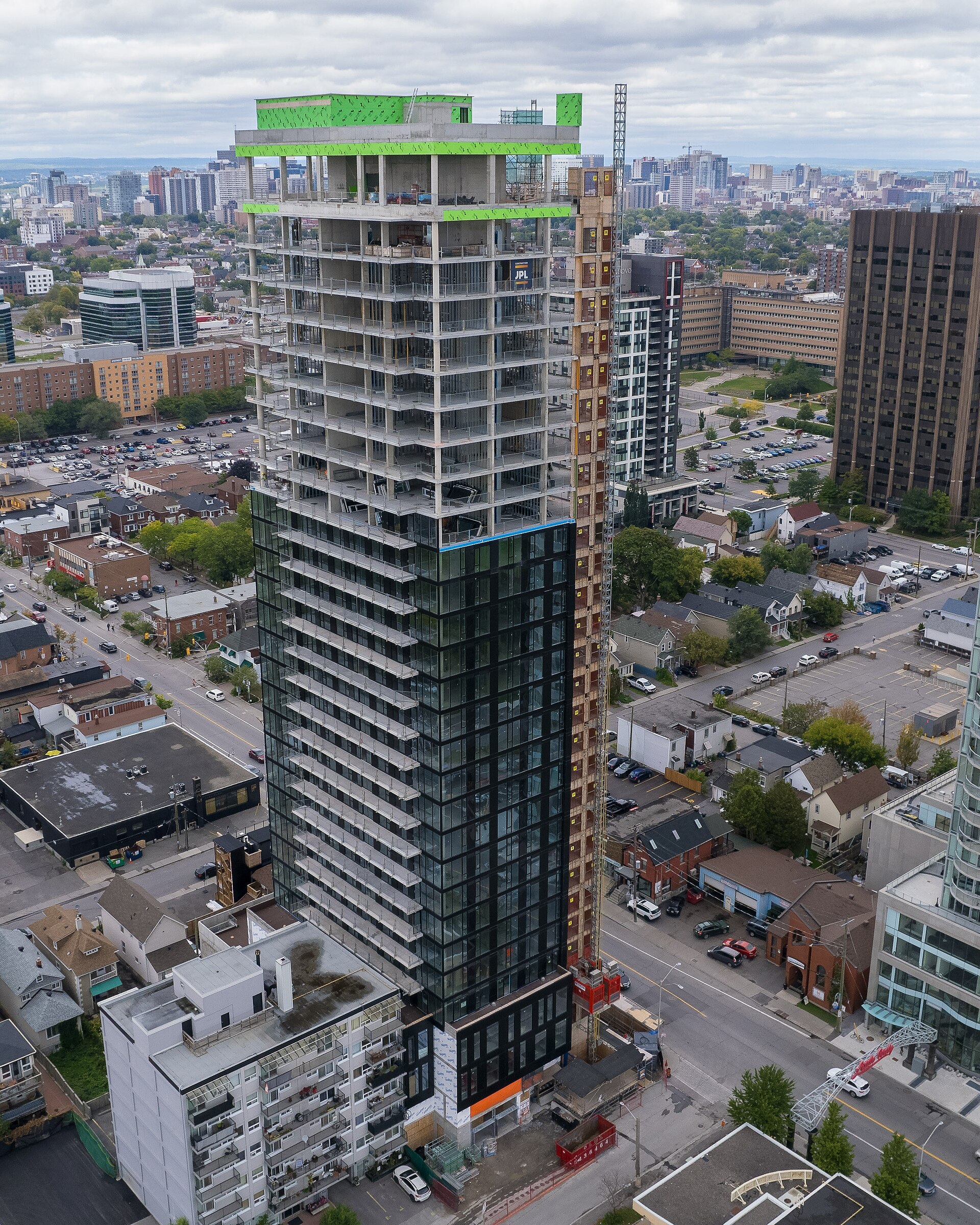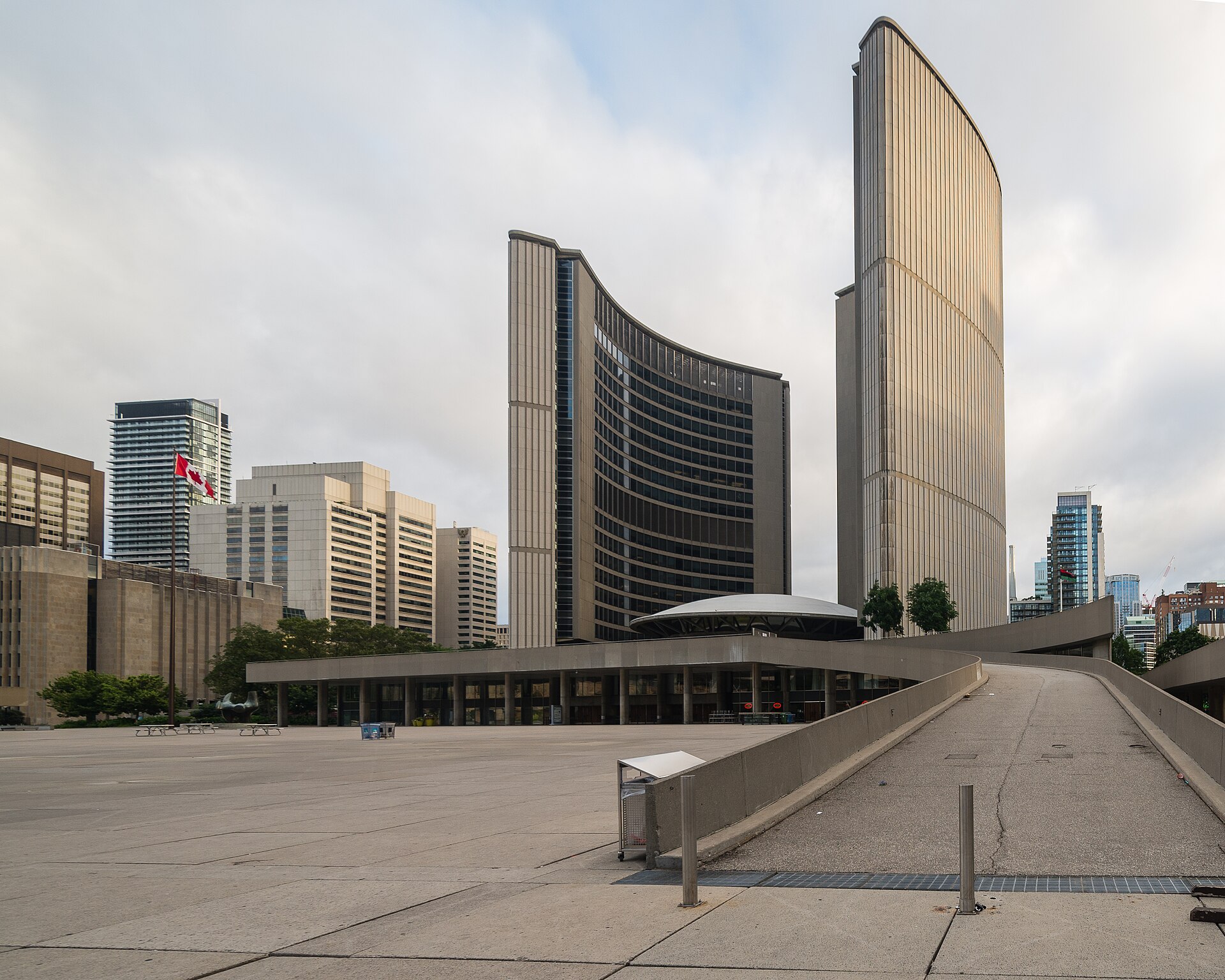
Statistics Canada's November 3 release compares developers' selling prices for new condos in nine Canadian metro areas.
National new-condo prices decline
The New Condominium Apartment Price Index for nine Canadian metropolitan areas fell 0.6% in the third quarter of 2026, Statistics Canada reported on November 3. The index measures changes in developers' selling prices for newly built apartment-style condominium units, adjusted to make properties as comparable as possible over consecutive periods. This is not an index of existing resale condominiums or a measure of all home prices in Canada.
B.C. markets show notable falls
Victoria recorded a 1.8% quarter-over-quarter decline in the index, while Vancouver fell 1.0%. Toronto was down 0.8%, Edmonton 0.7% and Calgary 0.3%. Montreal's index rose 0.7%, Ottawa–Gatineau's Ontario portion increased 1.6%, while Halifax and Quebec City were unchanged. These are changes from the previous quarter rather than year-over-year changes, and the underlying index levels differ among cities.
What the index covers
Statistics Canada uses standardized prices per square foot and quality adjustments to compare new condominium units. It reports the series quarterly and says the data are not seasonally adjusted. The agency permits a one-quarter revision period, so recent measurements may change when the next release arrives. The national composite reflects the nine covered metropolitan areas, not every city or rural housing market.
Implications for housing affordability
A decline in developers' selling prices may matter to prospective buyers, but purchase affordability also depends on mortgage rates, fees, wages and supply. A short-term price change does not establish how many new condos are completed or how resale values are moving. CDN News presents the November 3 release as a precise view of new-condo pricing, not a forecast of where all housing prices will go next.
Sources & transparency
Statistics Canada, New Condominium Apartment Price Index, third quarter 2026Original CDN News coverage. Sources are linked for reference.
Request a correction