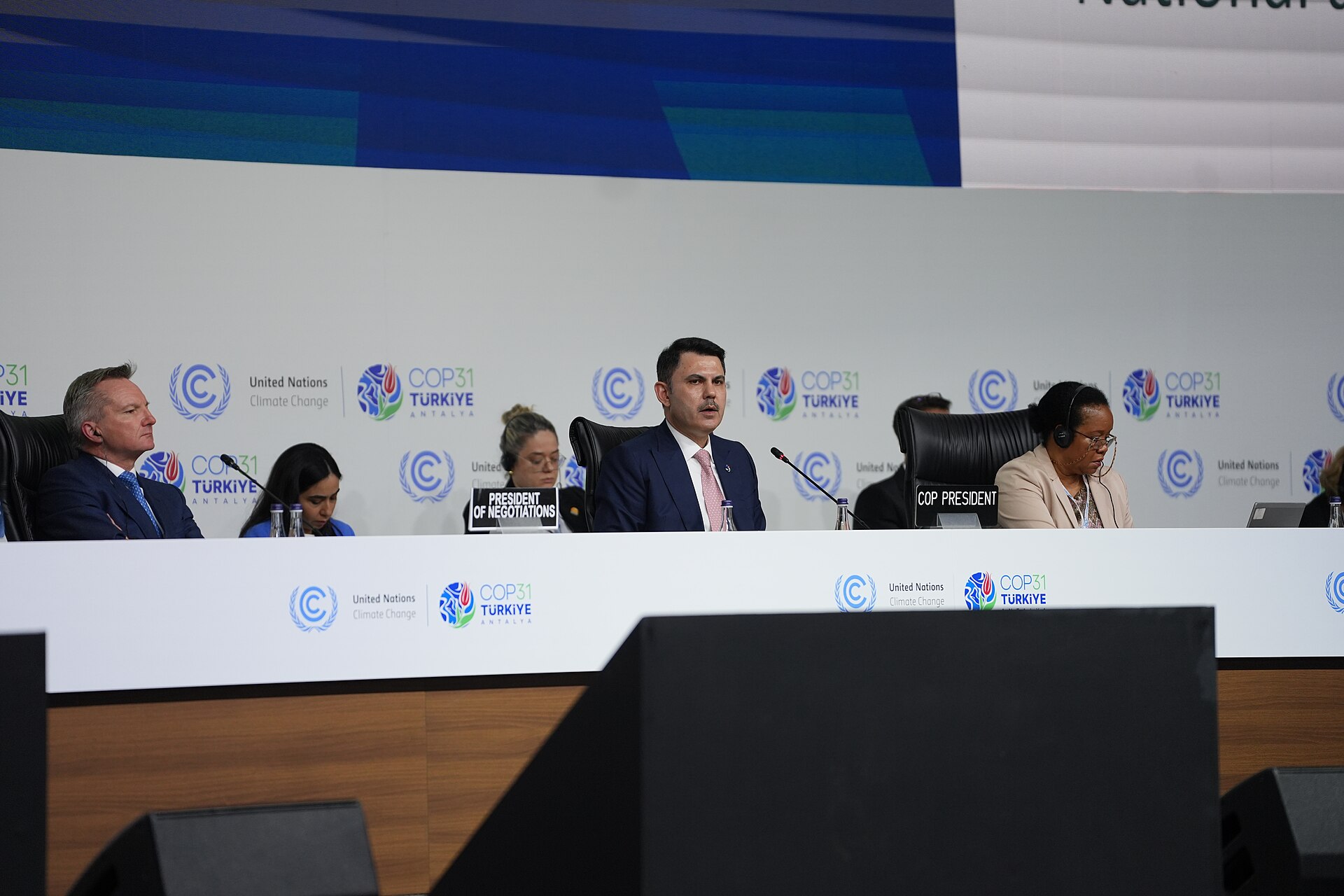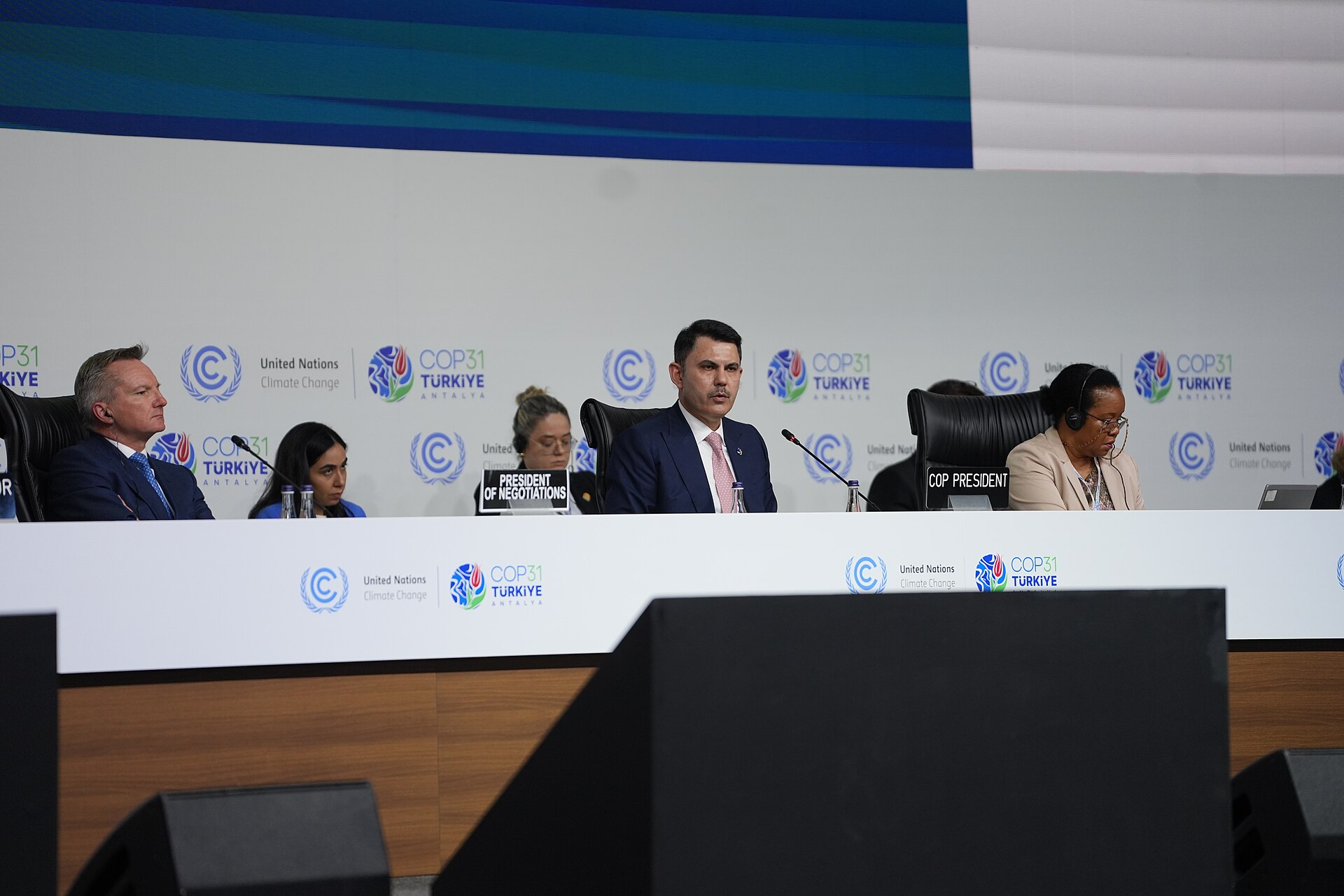
COP31 in Antalya ended November 22 without consensus on an overarching political declaration, after the European Union and others rejected a final draft they said was too weak on fossil fuels and financing.
Two weeks of talks end without the main agreement
The United Nations COP31 climate conference in Antalya, Türkiye, ended without an overarching political agreement on Sunday, November 22, after European Union countries and other delegations rejected the final draft put forward by the Turkish and Australian conference leaders. Reuters reported that talks ran two days beyond their scheduled finish, making COP31 the longest such conference on record. Turkish president of the conference Murat Kurum said organisers had exhausted their negotiating options. Delegates did make narrower pledges and discuss technical work, but they did not approve the political cover decision intended to capture a shared path forward.
Why the deal failed
A central dispute was the draft's failure to mention fossil fuels explicitly, despite coal, oil and gas being major sources of human-caused greenhouse-gas emissions. Ireland's environment minister and other European officials said the omission made the text unacceptable. Negotiators also disagreed over support for lower-income countries adapting to floods, extreme heat and other climate impacts. Oil-producing countries and critics of stronger commitments offered competing accounts of what practical action was possible. These were publicly identified negotiating disagreements, not proof that a particular country's delegation alone caused the outcome.
The United Nations calls the failure disappointing
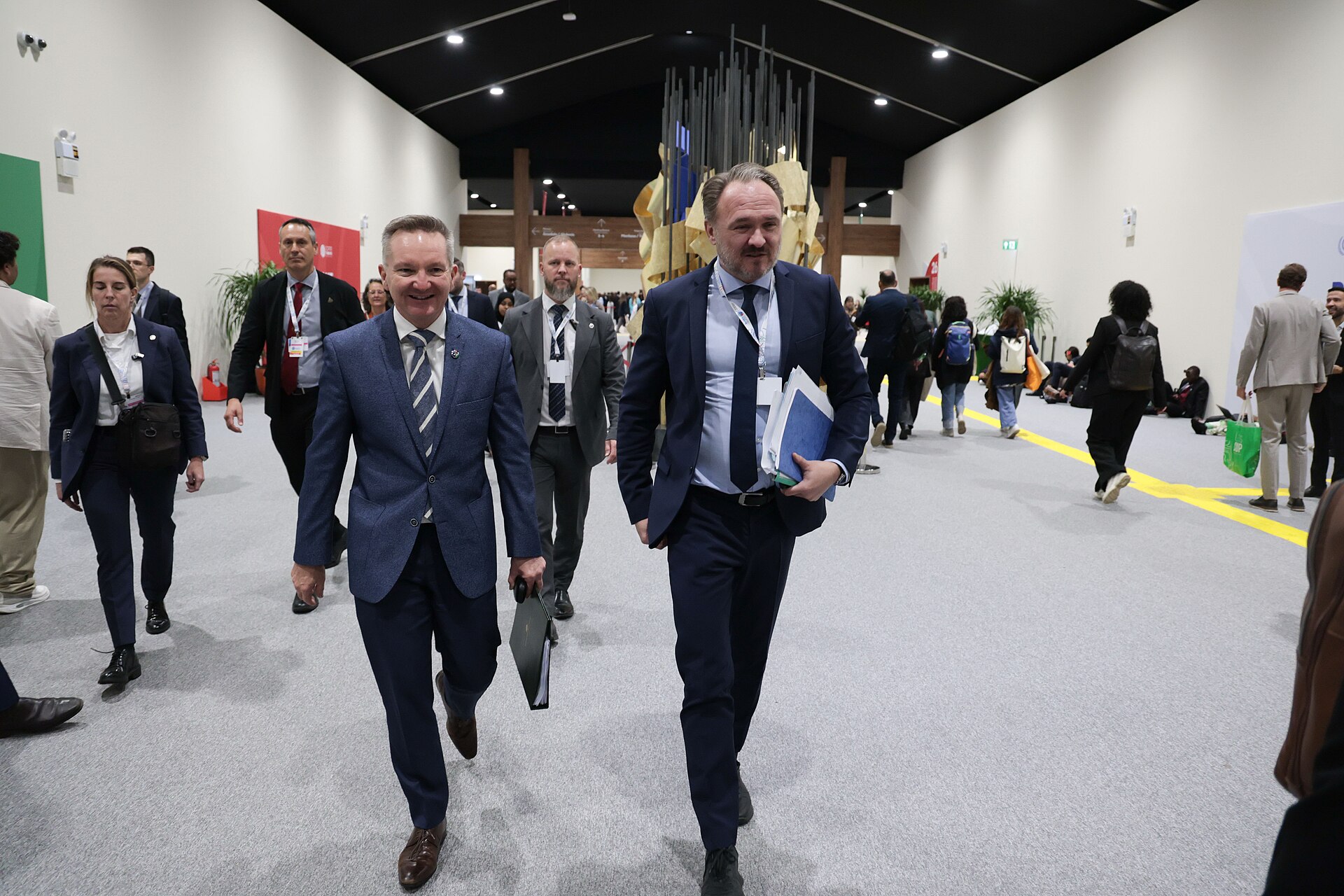
UN Secretary-General António Guterres expressed deep disappointment that governments could not find consensus, while Australia's negotiations president Chris Bowen also acknowledged the failure to agree. Reuters reported that the previous annual conference failing to adopt a comparable overarching agreement was Copenhagen in 2009. COP31's outcome does not terminate the Paris Agreement or cancel national commitments established in earlier summits. Governments and companies still operate under their own laws and existing international frameworks.
What happens to climate action after Antalya
A failed political declaration removes a shared signal that advocates hoped would guide future emissions reductions, finance and clean-energy investment. Individual countries can still advance policies and voluntary coalitions, but the unanswered questions about fossil-fuel transition and accessible climate funding remain. For Canada, the outcome creates diplomatic and policy uncertainty rather than an automatic legal change. CDN News will track official UN summaries and subsequent negotiations rather than imply that all climate action ended with the summit.
Sources & transparency
Reuters — COP31 climate talks collapse as EU and others reject deal, November 22Reuters — Countries react as COP31 climate talks collapse, November 22UNFCCC — Official COP31 conferenceOriginal CDN News coverage. Sources are linked for reference.
Request a correction