COP31 negotiators are considering a 35-by-35 proposal to lift electricity's share of global final energy use from roughly 21% to 35% by 2035, alongside calls to improve mineral supply-chain safeguards.
An international electricity target takes shape
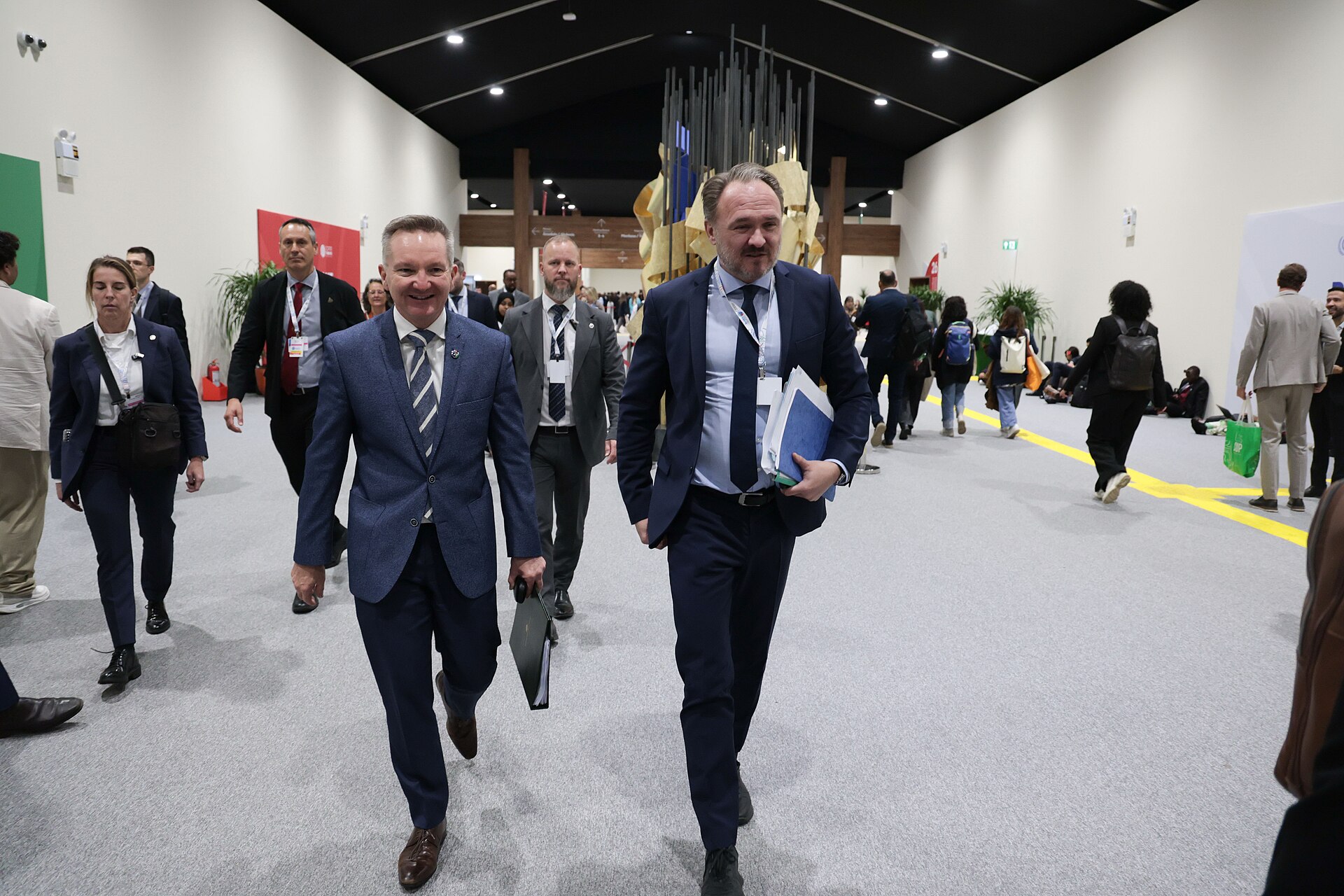
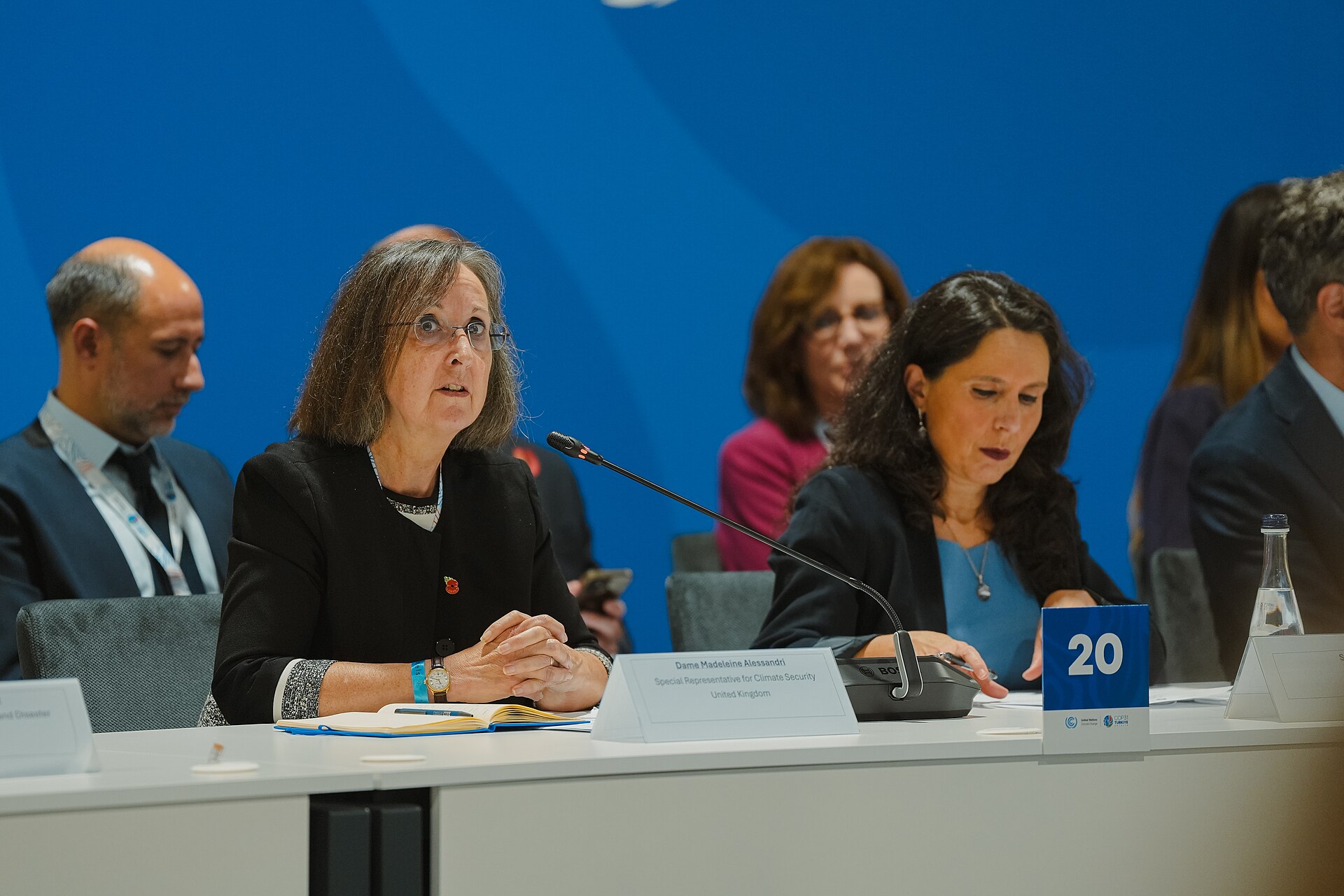
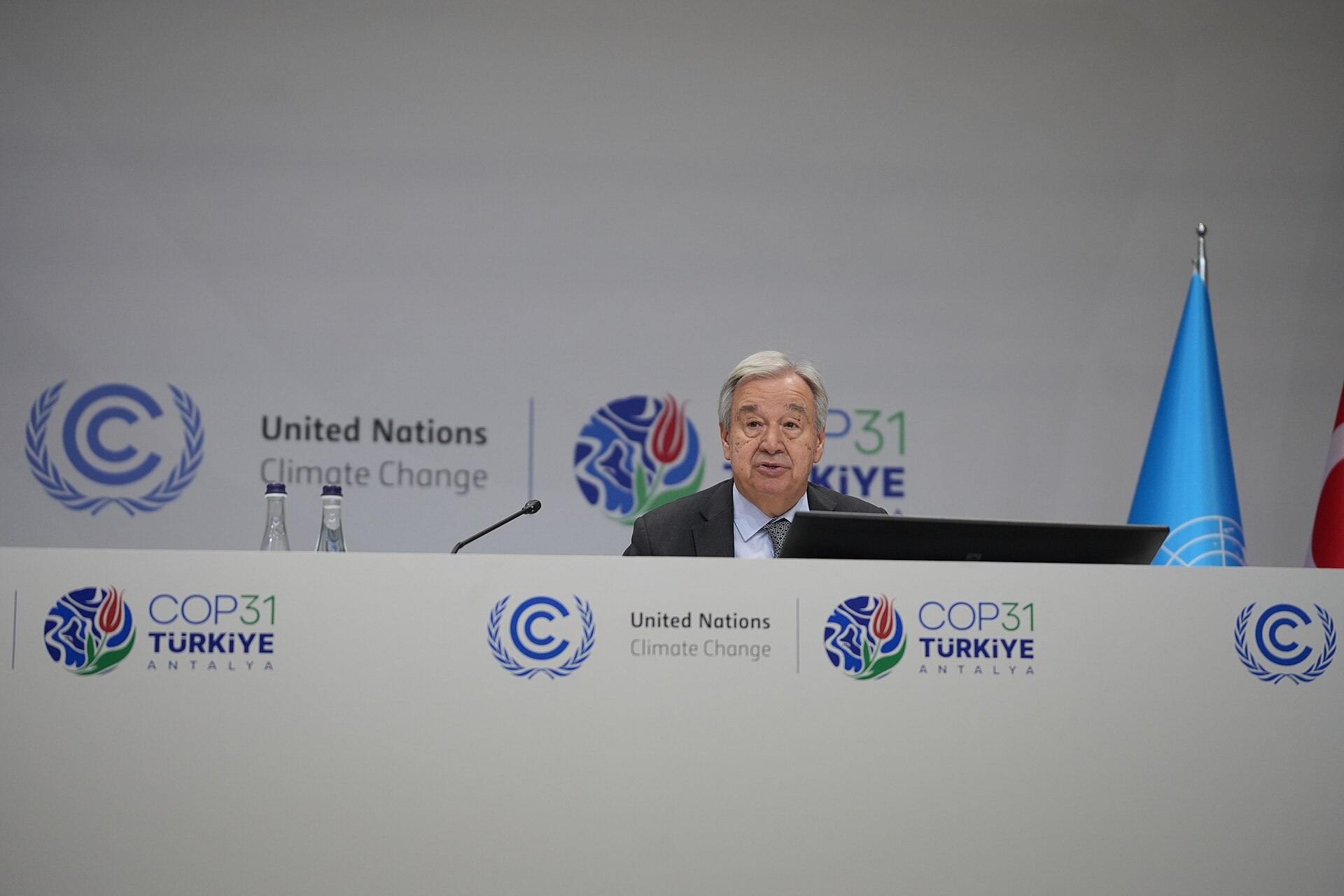
The COP31 climate conference in Antalya is examining a proposal backed by Türkiye and Australia to raise the share of final global energy use supplied by electricity to 35% by 2035. The effort covers electrifying vehicles, buildings and industrial uses, while improving grids and energy access. The proposal is not a final binding United Nations treaty; adoption, implementation and national commitments remain to be determined.
Environmental benefits depend on how power is made
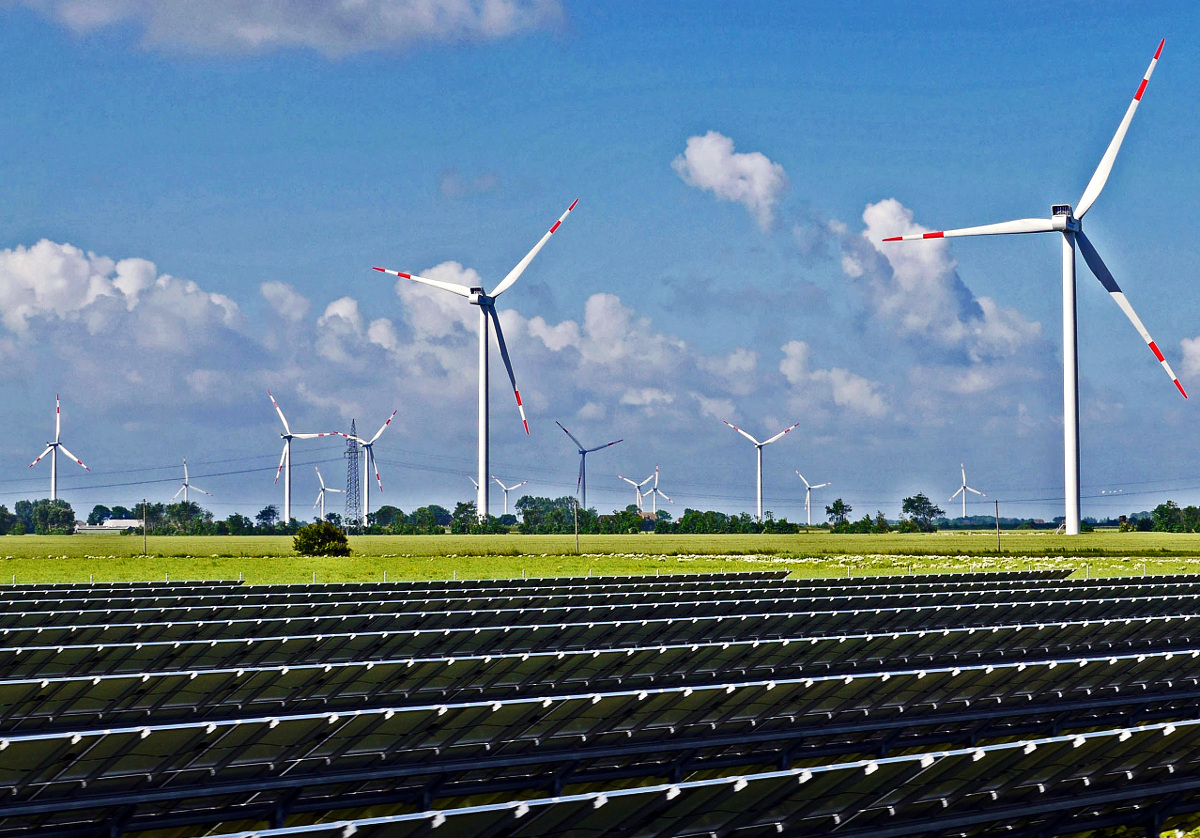
Replacing oil or gas combustion with efficient electric technologies can reduce pollution and emissions when the electricity supply is sufficiently clean. The 35% figure is a share of final energy use, not a promise that 35% of generation will be renewable. Power-grid expansions, battery storage and generation projects must progress together, and countries start with very different energy systems.
Mining and Indigenous rights become part of the debate
The Associated Press reported that more than 120 civil-society organizations are asking for stronger environmental and human-rights rules on mining the minerals required for batteries, turbines and electrical grids. Mining projects can involve habitat impacts, pollution and land rights, and a rapid transition should not bypass consultation and safeguards. Advocates also support recycling to reduce demand for new extraction. CDN News will track the final COP31 declaration and actual national outcomes separately from a proposed goal.
Sources & transparency
Associated Press — COP31 electrification proposal and mining safeguardsUNFCCC — Official COP31 summit updatesOriginal CDN News coverage. Sources are linked for reference.
Request a correction