November 5 evening U.S. midterm results: Democrats secured both chambers, expanded their House majority, and await two closely contested Senate decisions. A dated results article, not a live tally.
Democrats take control of both chambers of Congress
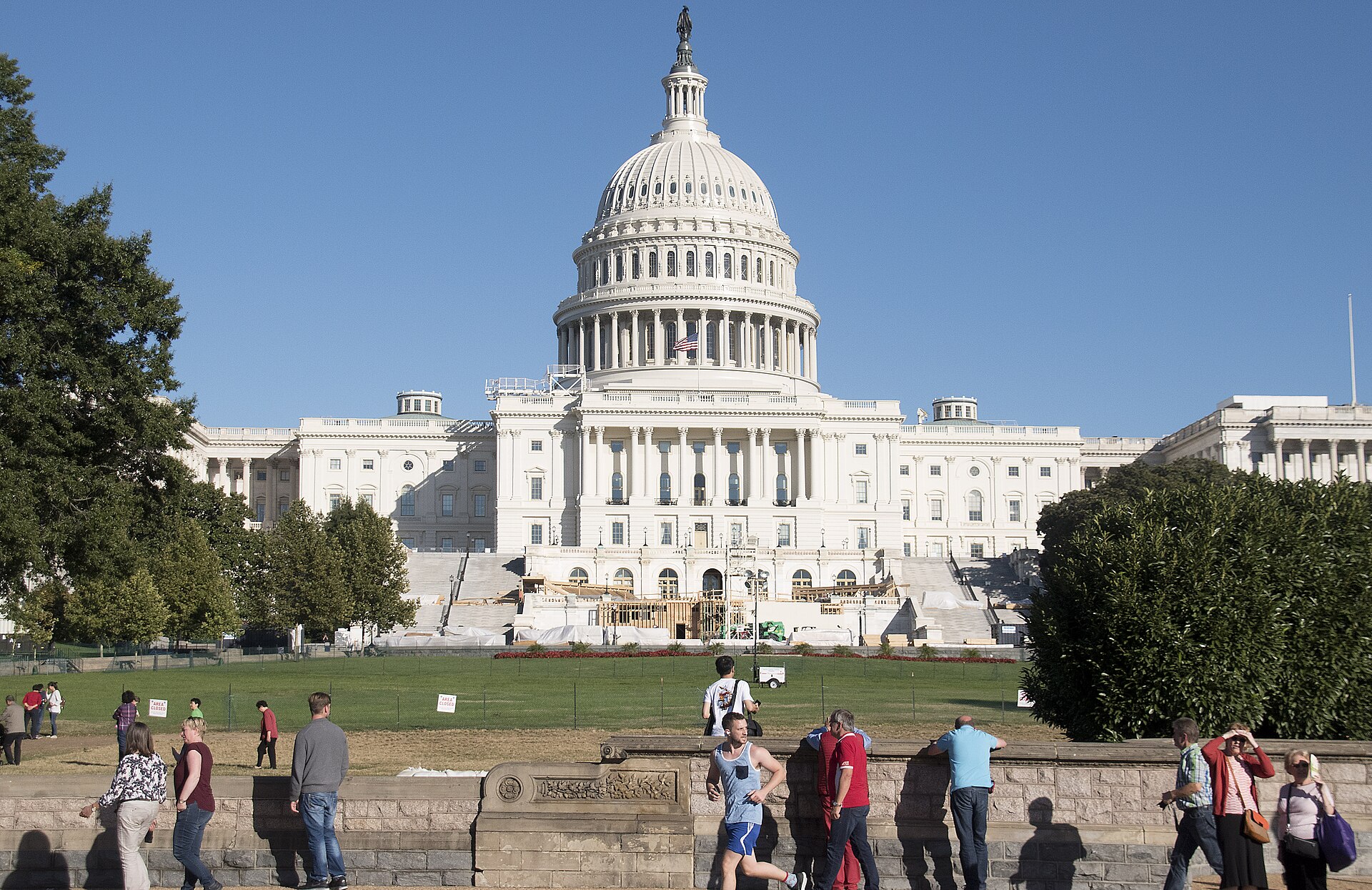
Democrats secured majorities in the U.S. House of Representatives and Senate in the November 3, 2026 midterm elections. The Associated Press called the Senate for Democrats at 11:36 p.m. Eastern on Tuesday and the House at 1:24 a.m. Eastern on Wednesday. By Thursday evening, election coverage reported at least 253 House seats called for Democrats and 155 for Republicans, while 54 Senate seats were in the Democratic column and 44 in the Republican column. Remaining House and Senate contests mean these figures are a dated snapshot, not final certified nationwide totals.
New House results continue to expand the majority
Democrat Cait Conley won New York's 17th Congressional District over Republican incumbent Mike Lawler, a result projected by CBS News Thursday after the incumbent had conceded. Democrats flipped other Republican-held House seats in California, Ohio and numerous battleground states. Some counts remain unfinished, and official certifications will establish final district margins. When the new House convenes in January 2027, Democrats will select a speaker by formal vote; party leader Hakeem Jeffries is positioned to seek that office.
Alaska and Mississippi Senate outcomes still pending
Two Senate contests remained too close to call Thursday: Democrat Mary Peltola versus Republican incumbent Dan Sullivan in Alaska, and Democrat Scott Colom versus Republican incumbent Cindy Hyde-Smith in Mississippi. The Associated Press said Peltola led by roughly 637 votes with about 74% counted in one Thursday snapshot, while Colom's Mississippi lead had grown to about 1,145 votes with 96% counted. These are partial, time-stamped counts and may already differ from later returns. Alaska may require ranked-choice tabulation, and Mississippi still has provisional ballots to process. Neither seat is counted here as a newly called Democratic win.
The balance of power will change in January
President Donald Trump retains his constitutional veto and executive authorities even with Democratic legislative majorities. The incoming Congress may expand oversight, debate tariffs and health-care funding, and influence judicial nominations. House Speaker Mike Johnson has said he will not seek reelection as Republican House leader, while Chuck Schumer and Hakeem Jeffries face leadership and policy decisions inside their own party. Democrats include both moderate and progressive lawmakers, whose priorities may diverge. Bills still must navigate the legislative process and, in most cases, a presidential signature or veto override.
What the U.S. result means for Canada
For Canada, the altered Congress will affect debates about U.S. trade powers, cross-border tariffs, defence, energy and regulatory policy. The midterm results do not automatically repeal American tariffs or conclude a bilateral agreement. Ottawa tabled Budget 2026 on November 5, outlining spending and investment proposals as Canada continues to navigate uncertainty about the U.S. relationship. This article preserves the November 5 results snapshot; CDN News' Politics section has further individual stories on election counts, party leadership, state control, proposed investigations and economic-policy implications.
Sources & transparency
Associated Press, calling control of Congress in the 2026 midterms, November 5Forbes, November 5 evening midterm House and Senate seat snapshotAssociated Press, four races still uncalled, November 5CBS News, New York 17th result, November 5Original CDN News coverage. Sources are linked for reference.
Request a correction