Explainer about geographic shifts and voter concerns in the 2026 U.S. midterms based on Reuters November 4 reporting.
The election map expanded beyond the suburbs
Democrats' victories in the 2026 midterms included gains in rural counties and smaller communities where Republicans historically enjoyed wide margins, Reuters reported November 4. These shifts did not mean Democrats won every rural county: in some areas the party simply lost by less than in earlier elections. Combining smaller margin changes across many places can have significant consequences for close statewide and congressional races.
Economic concerns reached different communities
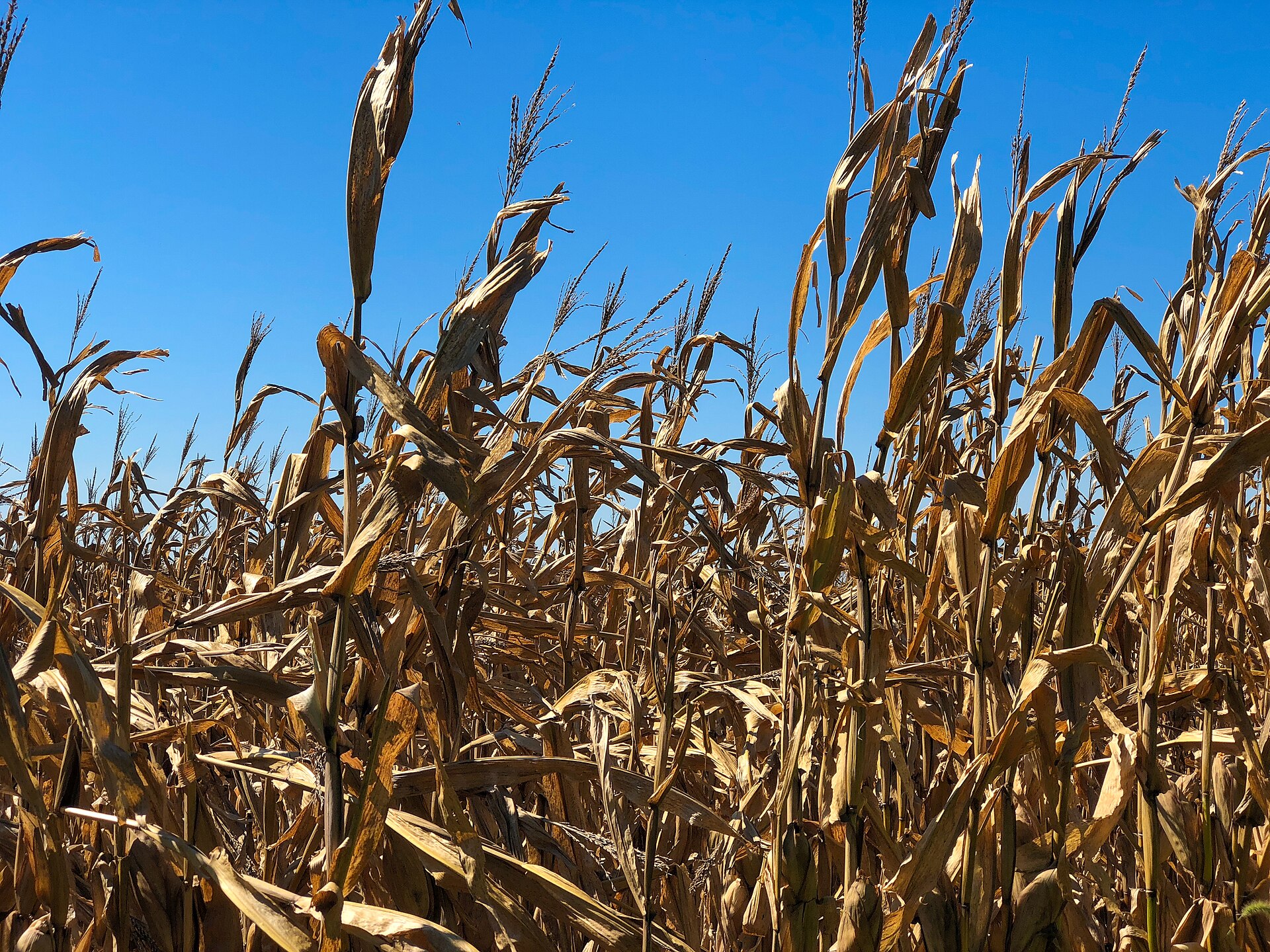
Farmers, manufacturing workers and residents of smaller towns raised concerns about tariff disruptions, high fuel prices, the war with Iran and the cost of living. Reuters interviews and election comparisons described Democrats performing better with some voters who had supported President Trump in 2024. Those reports illustrate a pattern, but no single interview or survey can prove what motivated every vote in a district.
Why the shift matters politically
A party can win competitive states by improving results across both urban and rural areas, even without flipping the overall majority of a rural county. Republican candidates still won several important contests, and the new Democratic majority will include legislators from constituencies with different priorities. Canadians following U.S. agricultural and industrial policy should monitor future specific decisions rather than assume Tuesday's geographic voting patterns automatically alter trade rules.
Sources & transparency
Reuters, how Democrats expanded map and improved in rural America Nov 4Original CDN News coverage. Sources are linked for reference.
Request a correction