Reuters reports that Federal Reserve officials are weighing whether an AI spending boom will lift productivity or complicate inflation, employment and financial stability.
The AI boom is now a monetary-policy question
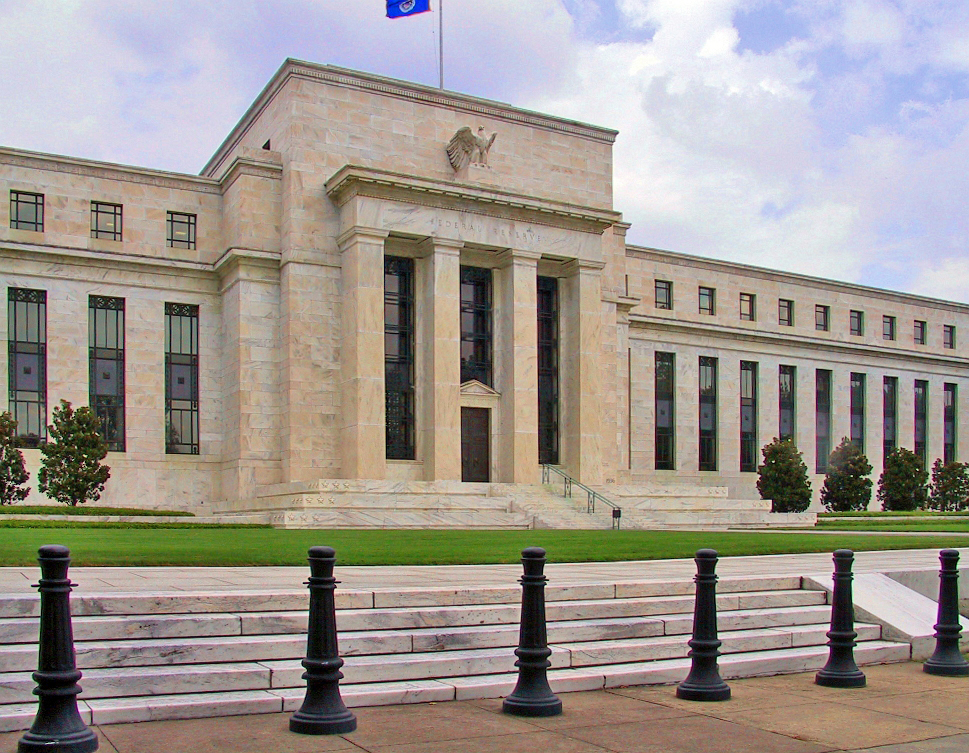
Federal Reserve Chair Kevin Warsh has described artificial intelligence as an important potential source of economic transformation. A Reuters analysis published November 24 says central bankers face difficult choices about whether spending on AI infrastructure will improve productivity, fuel price pressures or create vulnerability if expected returns fail to appear. The central bank has not declared that AI investment alone determines U.S. interest rates.
Investment growth creates contradictory signals
Data-centre construction and demand for chips, power and equipment can increase economic activity. But large investment commitments can also put pressure on resources and financing costs. If AI adoption eventually raises output per worker, it could improve growth without an equivalent increase in inflation. Both effects are possibilities, not settled results.
Markets remain unusually sensitive
Nvidia's extraordinary share-price moves this month have highlighted investor uncertainty about the economics of AI. The Nasdaq rallied nearly 7% Monday after Jensen Huang returned as Nvidia's CEO, then futures weakened before Tuesday trading. Central-bank officials must assess the broader economy rather than react only to stock prices.
Why Canada should pay attention
U.S. borrowing costs, investment flows and technology-sector spending can affect Canadian businesses through the exchange rate, trade and financial markets. Canada's central bank makes its own decisions based on domestic conditions. CDN News will track the official December policy decisions separately from analysts' expectations.
Sources & transparency
Reuters — AI boom looms over Warsh Fed, November 24Reuters — Wall Street futures dip after AI rally, November 24Original CDN News coverage. Sources are linked for reference.
Request a correction