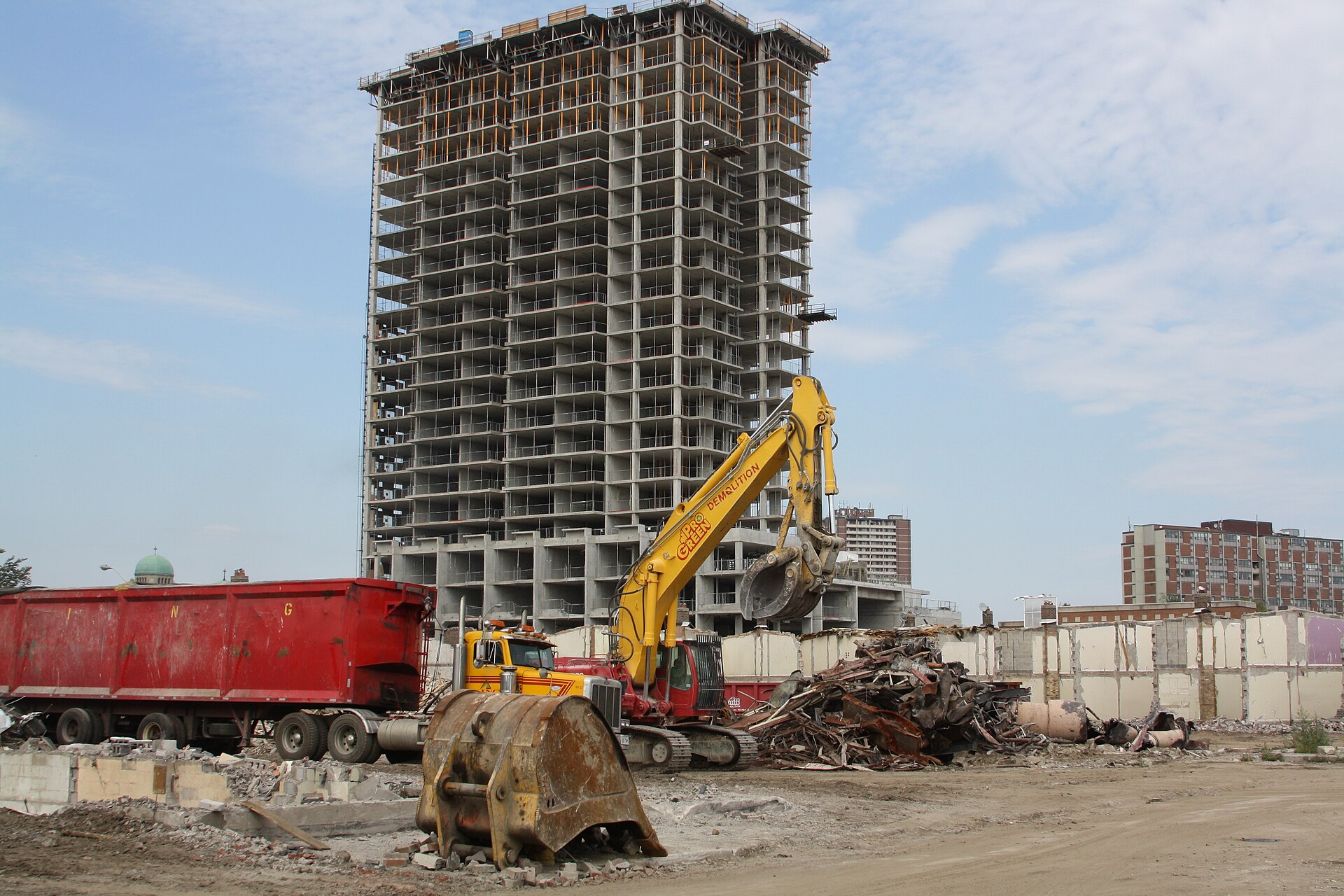
Newly built rental apartments in the Greater Toronto and Hamilton Area are taking longer to fill, with an estimated 13.3% vacancy rate when lease-up buildings are included in the third quarter of 2026.
Different vacancy measures show different pictures
An analysis of Urbanation's third-quarter 2026 purpose-built rental market statistics reported November 12 found a 13.3% vacancy rate in the Greater Toronto and Hamilton Area when newer buildings still leasing their first tenants were included. For stabilized rental properties alone, the vacancy rate was around 3.0%, down from 5.4% earlier in the year. Stabilized buildings are those that have already achieved strong occupancy; excluding freshly opened units can dramatically alter the apparent market tightness. These figures concern a defined class of purpose-built rentals, not all Canadian homes.
Completions exceed new occupied units
Urbanation figures cited by Better Dwelling show 2,704 new purpose-built rental units completed in the third quarter, compared with a net rise of 1,911 occupied apartments. Some newly completed homes consequently remained unleased. The pipeline of rental housing under construction in the region stood around 34,545 units at quarter-end. Those projects may enter the market over different years and locations, so the headline pipeline is not an immediate addition to current vacancy.
Rents and tenants may respond differently
The report says net rents after leasing incentives declined about 1.5% from a year earlier among properties surveyed in both periods. Individual renters could face different conditions depending on building size, neighbourhood and unit type. Higher vacancies can give some tenants more choice, but may strain the financing of newly opened projects. CDN News will distinguish survey samples, lease-up occupancy and asking rents before drawing broad affordability conclusions.
Sources & transparency
Better Dwelling — Urbanation Q3 vacancy study, November 12Urbanation — Toronto rental-market researchOriginal CDN News coverage. Sources are linked for reference.
Request a correction