The Washington Post reports that Pete Hegseth issued classified guidance restricting parts of U.S.–Canada defence cooperation. The precise restrictions remain unclear, and the Pentagon says NORAD, NATO and defence intelligence sharing are unaffected.
What the classified Pentagon memo reportedly changes
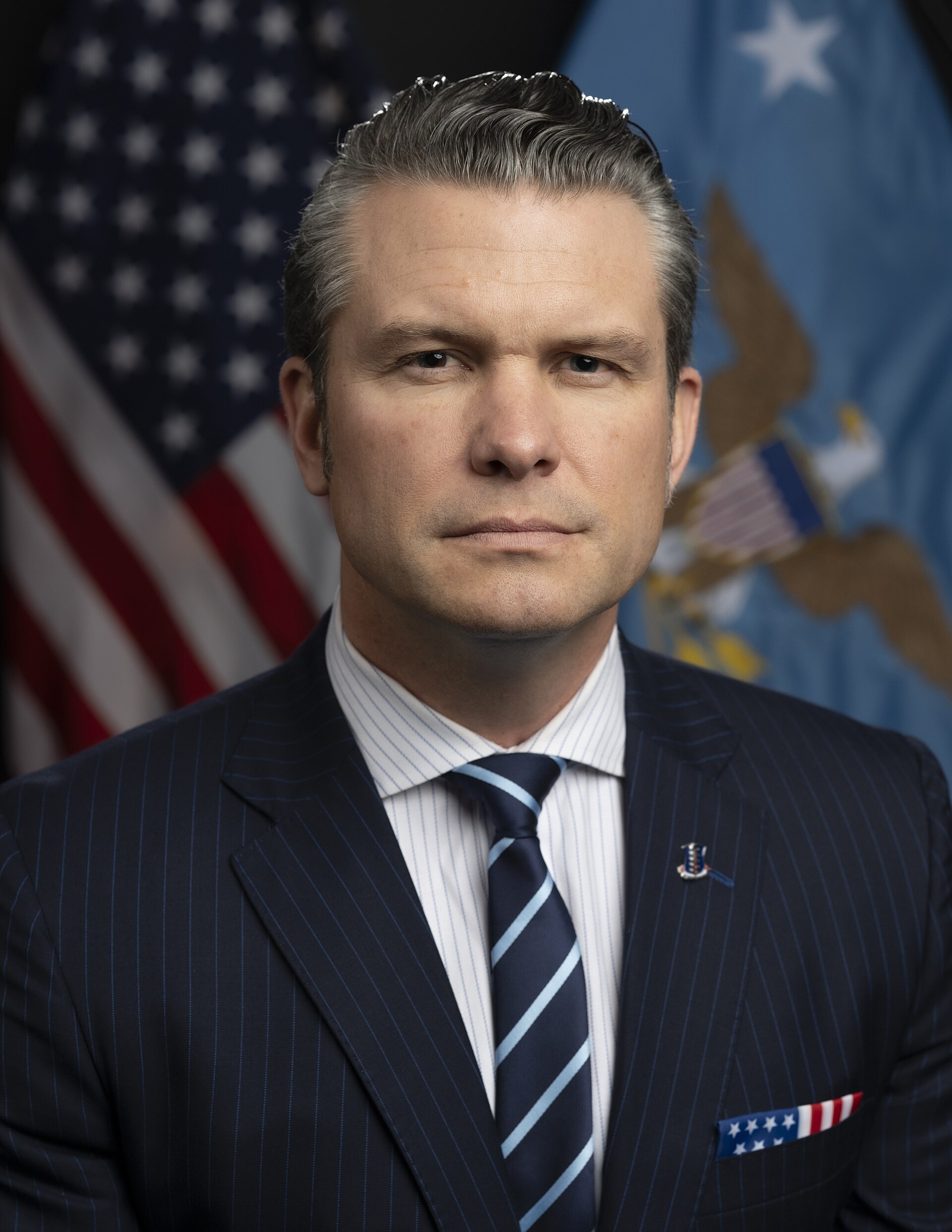
A November 20 Washington Post investigation reports that U.S. Defense Secretary Pete Hegseth issued a classified memorandum the previous week placing new limits on parts of the military relationship between the United States and Canada. The newspaper cites officials familiar with the directive who spoke anonymously but says it has not itself reviewed the classified document. Reuters confirmed the existence of the Post's report in a separate dispatch. The precise activities affected remain unclear. A secret instruction reported by anonymous officials should not be described as a complete suspension of military ties or as a publicly released policy document.
NORAD, NATO and defence intelligence are explicitly excluded, Pentagon says
Responding to the Post, Pentagon spokesman Sean Parnell said Washington was prioritizing engagement with Canada that advances tangible U.S. defence objectives and protects their shared continent. Crucially, he said the guidance does not change bilateral defence intelligence sharing, cooperation through NATO or the North American Aerospace Defense Command, known as NORAD. Those institutions underpin North American air surveillance and transatlantic security. The Pentagon's stated exemptions do not explain which other bilateral exchanges might be curtailed. Any account claiming NORAD has been shut down or that military intelligence sharing has ended would contradict the available official response.
Canadian officials reportedly had no notice
Reporting summarized from The Globe and Mail on November 21 says Canadian government and military officials were unaware of newly imposed restrictions and had received no clear details of the directive. The Washington Post said Canada's embassy in Washington did not respond to its initial request for comment. These accounts leave open whether Canadian authorities were officially informed later, whether operational changes have started, and which meetings or programs are affected. Canada's Department of National Defence has not publicly confirmed a list of restricted activities in the reporting reviewed for this article.
Why this matters in a tense bilateral relationship
Canada and the United States share a long border, a joint aerospace command, the Five Eyes intelligence partnership and a history of military collaboration. The reported memo follows trade disputes and Donald Trump's public comments about Canada's sovereignty, even as Prime Minister Mark Carney has pursued wider trading and security relationships abroad. At a Halifax security gathering, participants also questioned the reliability of U.S. leadership. None of this establishes that either government is ending its security alliance. The decisive next evidence will be published terms, formal government statements or documented changes to specific bilateral programs. CDN News will update the story as these facts become available.
Sources & transparency
The Washington Post, November 20 — classified directive and Pentagon responseReuters, November 20 — Hegseth restrictions reportAnadolu Agency, November 21 — NORAD and NATO exemptionsOriginal CDN News coverage. Sources are linked for reference.
Request a correction