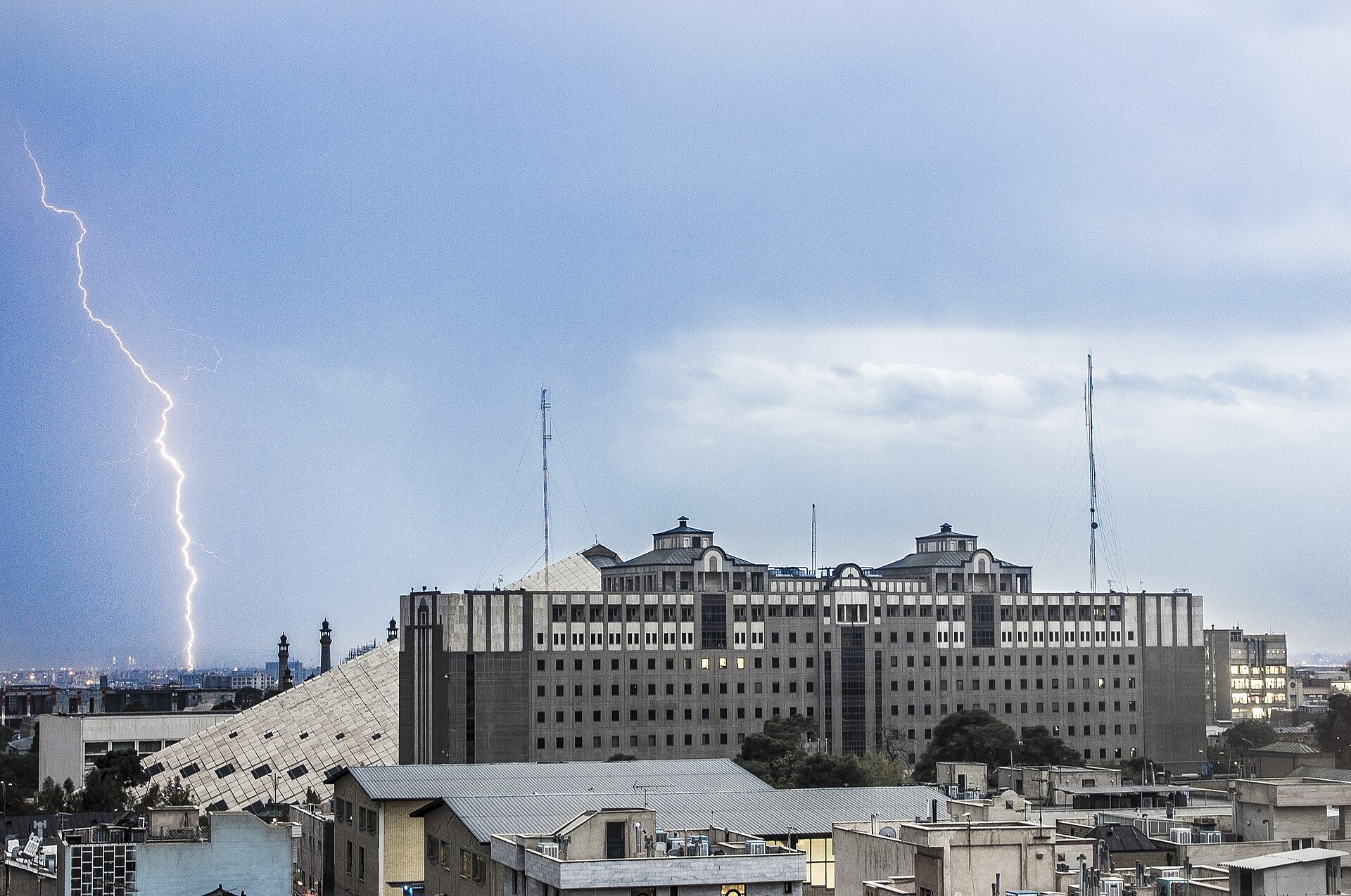
Iranian state-aligned media is discussing the possibility of missiles capable of reaching U.S. territory, as Tehran widens its warnings against American military installations abroad. Analysts distinguish rhetoric and prospective development from proven intercontinental capability.
Iranian state-aligned reporting raises prospect of U.S.-range missiles
Media linked to Iran's Islamic Revolutionary Guard Corps have raised the possibility of developing missiles capable of reaching the continental United States, increasing tensions with Washington as the regional conflict continues. A November 15 report by Asharq Al-Awsat, citing Iran's Tasnim news agency, described prospective longer-range missile development. This is a claim about possible future capability; it does not establish that Iran currently possesses or has deployed an operational intercontinental ballistic missile that can strike the U.S. mainland.
Tehran has expanded its warnings against U.S. military installations abroad
Iranian state television separately warned that a modified ballistic missile might reach American installations in Europe, naming a British base as a possible target, according to Iran International on November 14. Senior Iranian security officials have also warned that U.S. bases outside the Middle East could face retaliation if used for further attacks on Iran. Iran's Revolutionary Guard has publicly said a former self-imposed limit on the range of its ballistic missiles has been lifted. These statements signal a broader political and military warning, but independent observers have not verified the extended-range capabilities described by state media.
ICBM capability remains unverified
The possibility of an Iranian intercontinental ballistic missile is distinct from evidence that one is operational. A February 2026 Reuters report found that U.S. intelligence assessments did not support claims that Iran was close to fielding a missile capable of reaching the United States. Analysts at the Institute for the Study of War have reported that Iran's space-launch program could contribute to future long-range missile ambitions, while cautioning against treating technological potential as an operational system. Public claims, development efforts and proven deployment must be evaluated separately.
Fresh clashes underscore risks of escalation
The warnings follow renewed confrontation in the Gulf. Reuters reported on November 15 that Bahrain said it intercepted Iranian aerial attacks, while Iran's Revolutionary Guard claimed an attack on a U.S. military installation in the kingdom. U.S. and Bahraini authorities had not confirmed all of Iran's assertions at the time of publication. President Donald Trump has reportedly considered avoiding further U.S. strikes if there are no new provocations, but diplomacy has not produced a breakthrough. The latest claims add uncertainty without establishing that an intercontinental attack is imminent.
What remains unknown
There is no independently confirmed evidence in the reporting reviewed that Iran has deployed an ICBM capable of reaching the U.S. mainland, or that an ICBM attack on the U.S. administration has been ordered. Threats and claims should be attributed to the officials and outlets making them rather than presented as verified technical facts. CDN News will distinguish any future official announcements, independent assessments and confirmed developments in updates to this story.
Sources & transparency
Asharq Al-Awsat — IRGC media discusses missiles that could reach the United States (November 15)Iran International — State TV says proposed longer-range missile could reach U.S. base in Britain (November 14)Reuters — Bahrain intercepts Iranian aerial attacks while Tehran claims strike on U.S. base (November 15)Reuters — U.S. intelligence did not support claim of imminent Iranian ICBM capability (February 2026)Original CDN News coverage. Sources are linked for reference.
Request a correction