With most votes counted, Christopher Luxon's alliance could hold a one-seat majority, but special ballots may change the final result.
No definitive government on election night
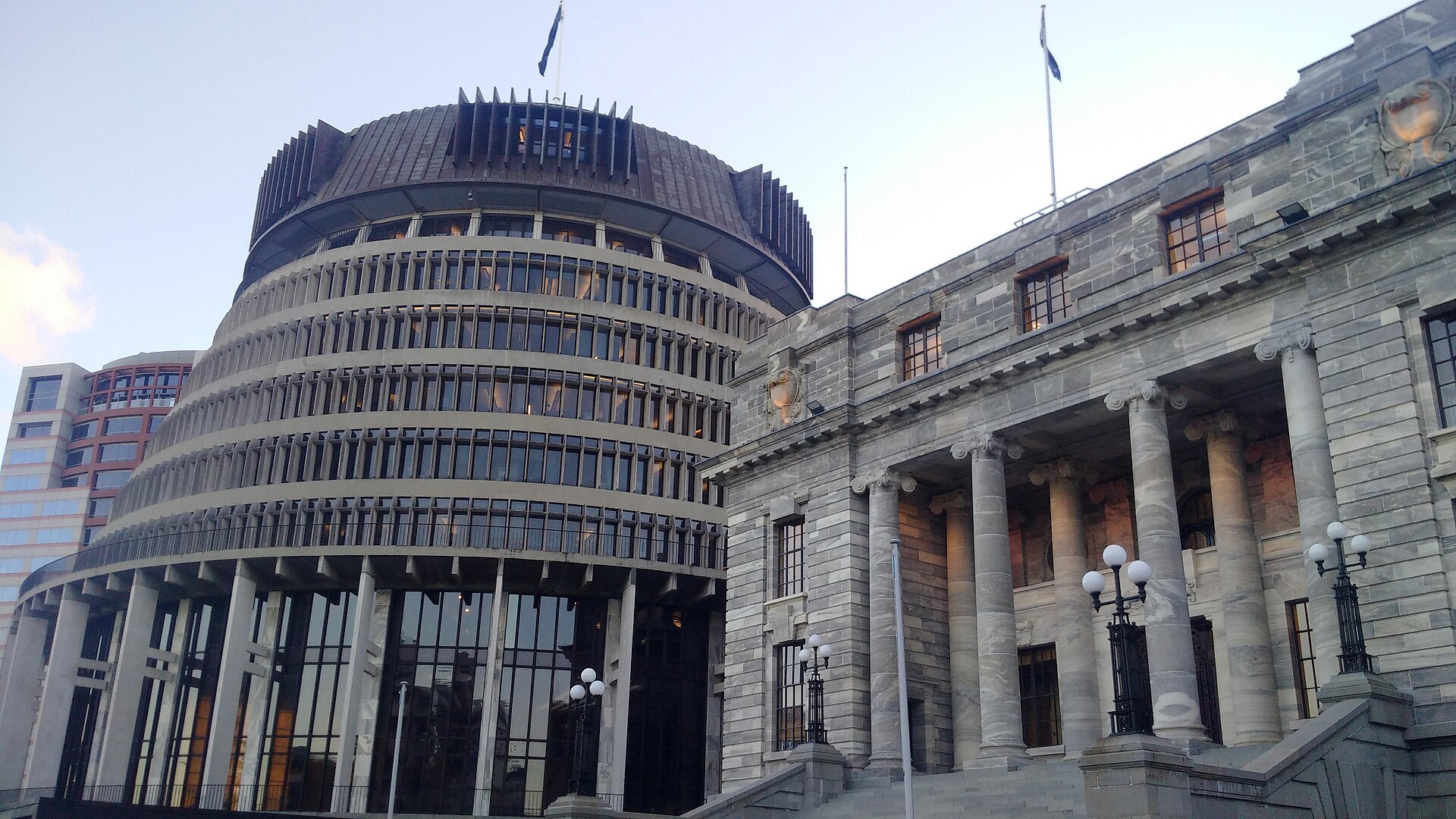
New Zealand's November 7 general election has produced a narrow preliminary lead for incumbent Prime Minister Christopher Luxon's National-led bloc, but the next government is not settled. With more than 95 per cent of votes counted, the Associated Press reported that National, ACT and New Zealand First appeared to have 67 seats in a potentially 130-seat Parliament. Sixty-six seats would constitute a majority. Those estimates can change, and Luxon did not declare victory.
Small parties gain leverage
Labour leader Chris Hipkins did not concede defeat. The Greens appeared to have won a record 16 seats, while the centrist Opportunity Party, led by Qiulae Wong, appeared to have crossed the vote threshold for representation. Neither major party attracted 30 per cent of the party vote, leaving coalition partners with significant influence. That fragmentation complicates predictions about fiscal, environmental and social policy.
Final results could take weeks
Special votes from overseas and other late-counted ballots historically have shifted seat allocations, and New Zealand's final verified count is due November 27. Negotiations over a governing agreement may continue after that date. CDN News will label the numbers as preliminary and avoid presenting a prospective one-seat majority as a certified election result.
Sources & transparency
Associated Press — New Zealand's election remains too close to call, November 7, 2026Original CDN News coverage. Sources are linked for reference.
Request a correction