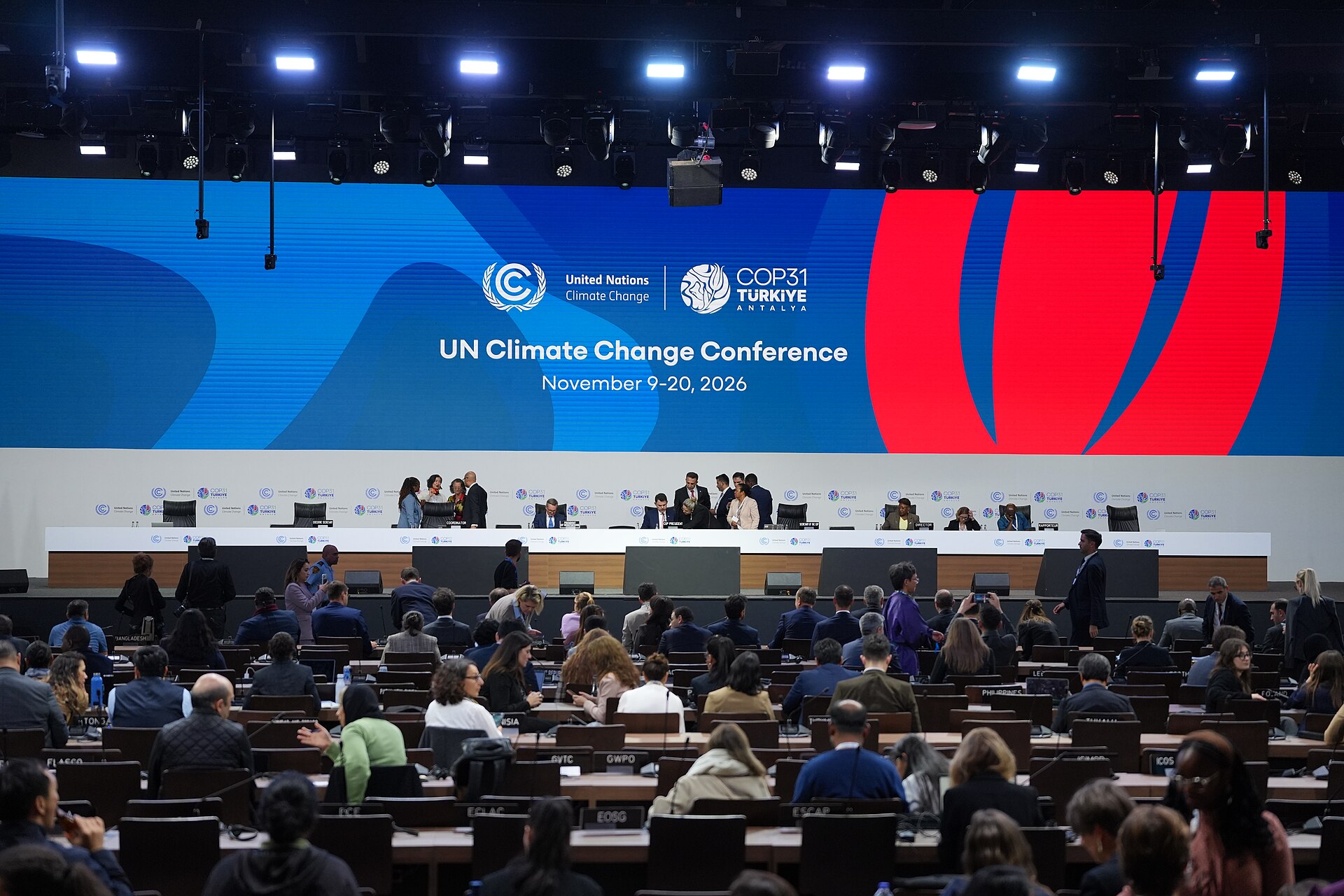
Reuters reports negotiators blamed entrenched disputes over fossil-fuel language and access to conference leadership after COP31 ended without an overarching agreement. Turkey said it did not favor any country.
The fallout from COP31 begins
A day after the United Nations COP31 summit ended without a broad political agreement in Antalya, Turkey, delegates offered starkly different explanations of why negotiations broke down. Reuters reported Monday, November 23, that representatives from Europe, island states and other regions accused Saudi Arabia and allied oil-producing countries of refusing language that would encourage transition away from fossil fuels. Ireland's climate minister, speaking on behalf of the European Union, criticized the influence of oil-producing delegations. These accounts describe attributed diplomatic disputes, not a legal finding that a particular country violated conference rules.
Disagreements over access and wording
Negotiators from several regions told Reuters they believed Saudi officials had easier access to the conference presidency than some other national delegations. Turkey's COP31 presidency rejected the suggestion of preferential treatment, saying it had not favored any country or group. The proposed text also avoided directly naming fossil fuels, which European and climate-vulnerable countries described as unacceptable because coal, oil and gas are key contributors to human-driven warming. Oil exporters have argued that any energy transition must acknowledge their countries' needs and the role of emissions-management technologies.
A coalition including Canada pushed for explicit language
Reuters reported that a coalition of about 130 countries, including Canada, backed a letter demanding recognition of a transition away from fossil fuels in the final political declaration. Negotiators also disagreed over adaptation funding and the relative roles of electrification and carbon capture. The final draft was not accepted, ending the meeting without the central cover decision. The outcome does not repeal earlier climate treaties or nullify national emissions laws. It does, however, leave the conference's most politically contentious issues unresolved.
What happens after a failed agreement?
Diplomats and climate-finance institutions may pursue narrower negotiations or collaborations outside the COP31 cover text. The next practical tests will be whether governments propose new finance commitments, publish credible implementation plans or reconcile energy-language disputes at later forums. CDN News will keep allegations about negotiating conduct attributed and avoid presenting diplomatic blame as an established neutral fact.
Sources & transparency
Reuters — Saudi Arabia's influence loomed large over failed COP31 deal, November 23Associated Press — Analysis of collapse of UN climate talks, November 22UNFCCC — COP31 conference informationOriginal CDN News coverage. Sources are linked for reference.
Request a correction