Sean Duffy called on Congress to provide US$50 billion to modernize America's aging air-traffic-control system following a November 13 nationwide flight ground stop.
$50-billion request follows nationwide shutdown
U.S. Transportation Secretary Sean Duffy called for US$50 billion in emergency funding on Friday, November 13, after an FAA communications failure forced authorities to halt departures across the United States. The White House and Transportation Department had earlier sought US$30.1 billion for aviation infrastructure and air-traffic-control upgrades. Duffy's larger figure is a request to Congress, not money that Congress has approved. The shutdown disrupted domestic flights and connections through U.S. airports, including itineraries used by Canadian travellers.
What went wrong with the FAA network
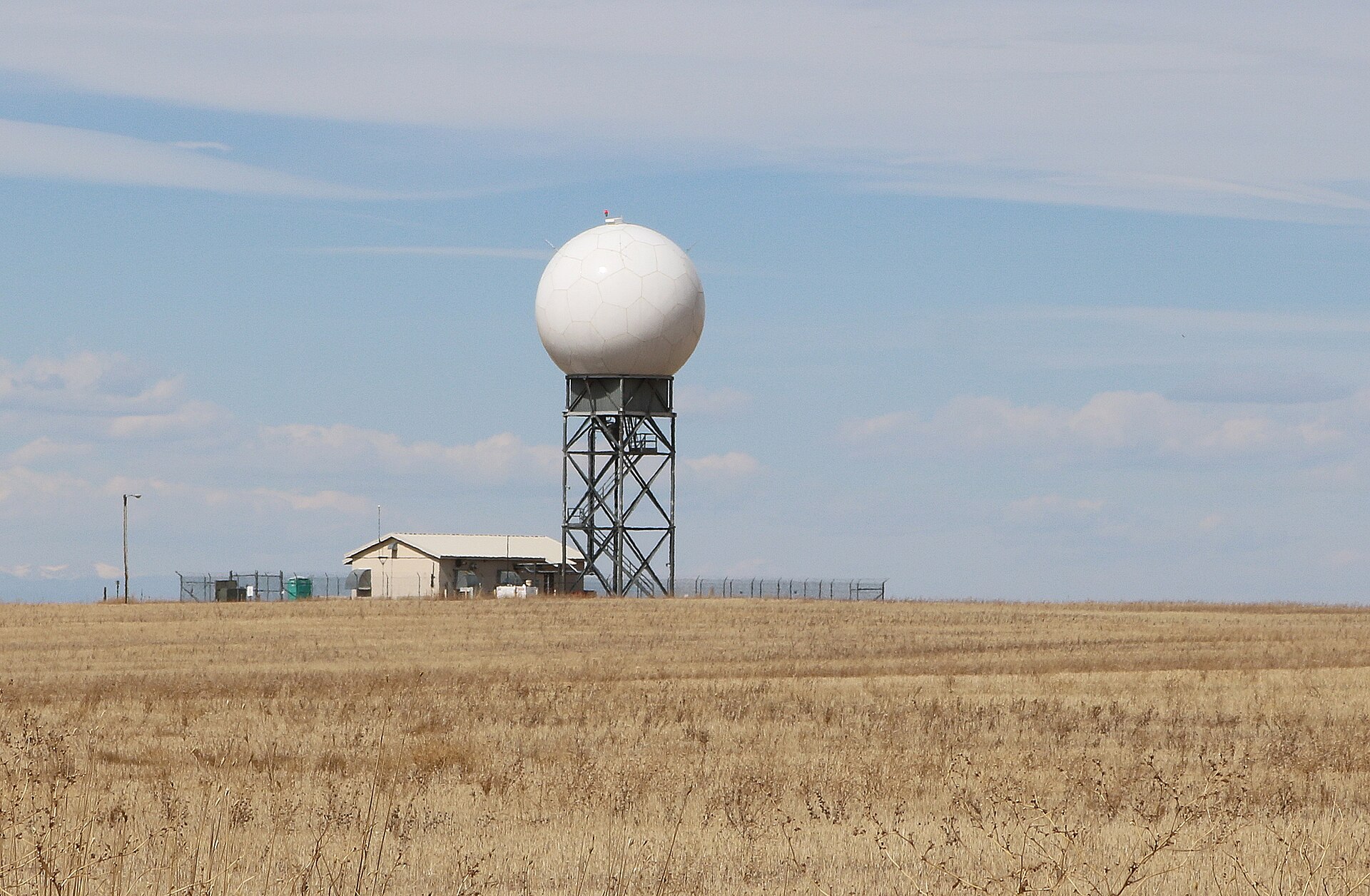
In a briefing, Duffy said older analog telecommunications equipment experienced overloaded switches and routers that produced inconsistent radar and communications information at air-traffic-control facilities. Newer IP-based equipment already deployed was not affected in the same way, he said. The FAA halted new departures because reliable controller communications and aircraft tracking are safety-critical. Federal investigators were still examining the precise chain of events; officials said they had not identified evidence of a malicious attack. The reported technical explanation should not be presented as a final forensic finding.
Airspace reopens, but flight recovery takes time
The FAA lifted the nationwide ground stop at about 8:15 p.m. Eastern on November 13. Flights resumed gradually, but large numbers of cancellations and delays left planes, crews and passengers out of position. Airlines warned that the effects could continue after the restriction ended. Air Canada similarly advised customers that some services might remain disrupted and to check their own booking and flight status before travelling.
What the funding would mean
The request reflects long-standing concerns about aging FAA communications hardware, controller workstations and air-traffic-control infrastructure. Congress had already approved a separate US$12.5-billion multi-year modernization and hiring package. The additional US$50 billion proposed by Duffy would require further legislative approval, and details of its precise allocation and timing remain subject to congressional negotiations. The immediate operational priority is restoring reliable flight schedules, while longer-term oversight will focus on network resilience and how modernization is executed.
Sources & transparency
U.S. Department of Transportation — Duffy and Mullin update on the November 13 ground stopReuters — Trump official seeks $50 billion for air traffic control after outageFederal Aviation Administration — general statementsAir Canada — FAA ground stop has endedOriginal CDN News coverage. Sources are linked for reference.
Request a correction