The Rentals.ca and Urbanation October 2026 data show a 19.4% annual increase in one-bedroom asking rents in St. John's, Newfoundland and Labrador, despite a 3.2% national annual decline across property types.
A 19.4% jump for St. John's one-bedroom listings
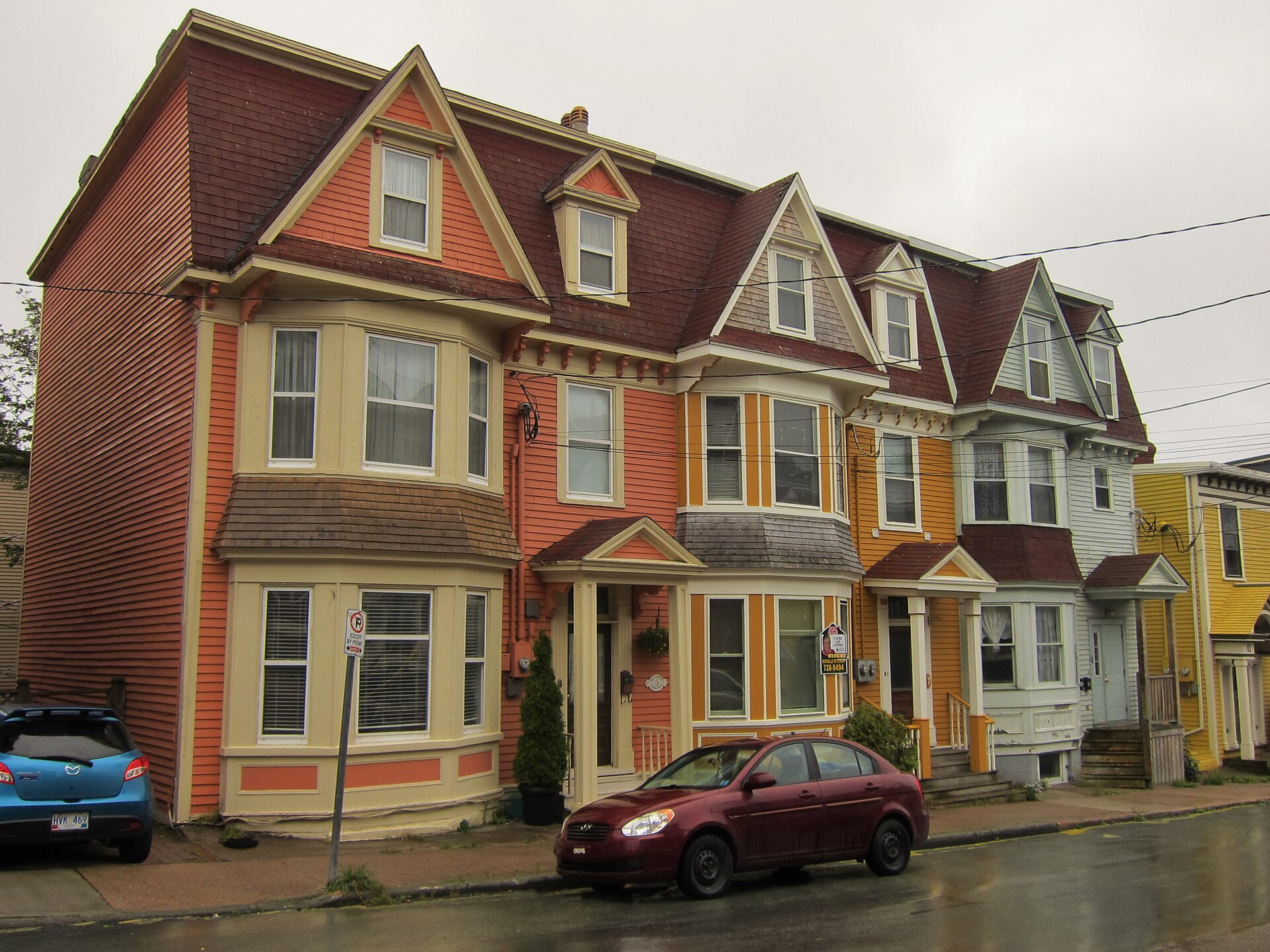
One-bedroom asking rents in St. John's, Newfoundland and Labrador, climbed 19.4% year over year to an average of C$1,211 in October 2026, according to the Rentals.ca and Urbanation November rent report. The city's two-bedroom average was C$1,385, up 16.8% on the same measure. The figures reflect asking prices observed on the rental platform, not a calculation of every rent paid in the city. Because they come from advertised properties, changes in the mix of listings can affect reported averages as well as actual asking prices.
Canada's national average is moving differently
The national average asking rent across all property types was C$2,036 in October, down 3.2% compared with a year earlier, the report found. That was the 25th consecutive annual decline, but the drop was smaller than in the preceding months. National trends therefore conceal very different conditions in specific cities and for different types of properties. It would be misleading to use the national figure to suggest a renter in St. John's experienced a 3.2% decline in one-bedroom listing prices.
Toronto and Vancouver show why unit type matters
The report said apartment and condominium rents rose year over year in both Toronto and Vancouver for the first time in more than two and a half years. Yet the city-level one-bedroom table showed Vancouver averaging C$2,377, down 3.0% year over year, while the two-bedroom average was C$3,270, flat. Toronto one-bedroom listings averaged C$2,229, up only 0.1%, while the two-bedroom average of C$2,965 was 4.0% higher. Differences in property type, geography and monthly sampling can create seemingly contradictory headline numbers.
What renters can use the data for
Households comparing rentals should look at the specific neighbourhood, unit size, lease terms and current vacancy conditions rather than relying on a citywide average. Asking rents also differ from rents in existing tenancies and do not determine legal limits on rent increases, which depend on provincial rules. The report offers a useful November snapshot of advertised housing costs, not a prediction of where rents will be in December.
Sources & transparency
Rentals.ca and Urbanation — November 2026 National Rent ReportRentals.ca/Urbanation — November rental market releaseOriginal CDN News coverage. Sources are linked for reference.
Request a correction