A November 5 post-election explainer examining the new Democratic congressional majorities, President Trump's veto power, oversight and the Canadian implications, distinct from the race-by-race results guide.
Congress changes hands—but not immediately
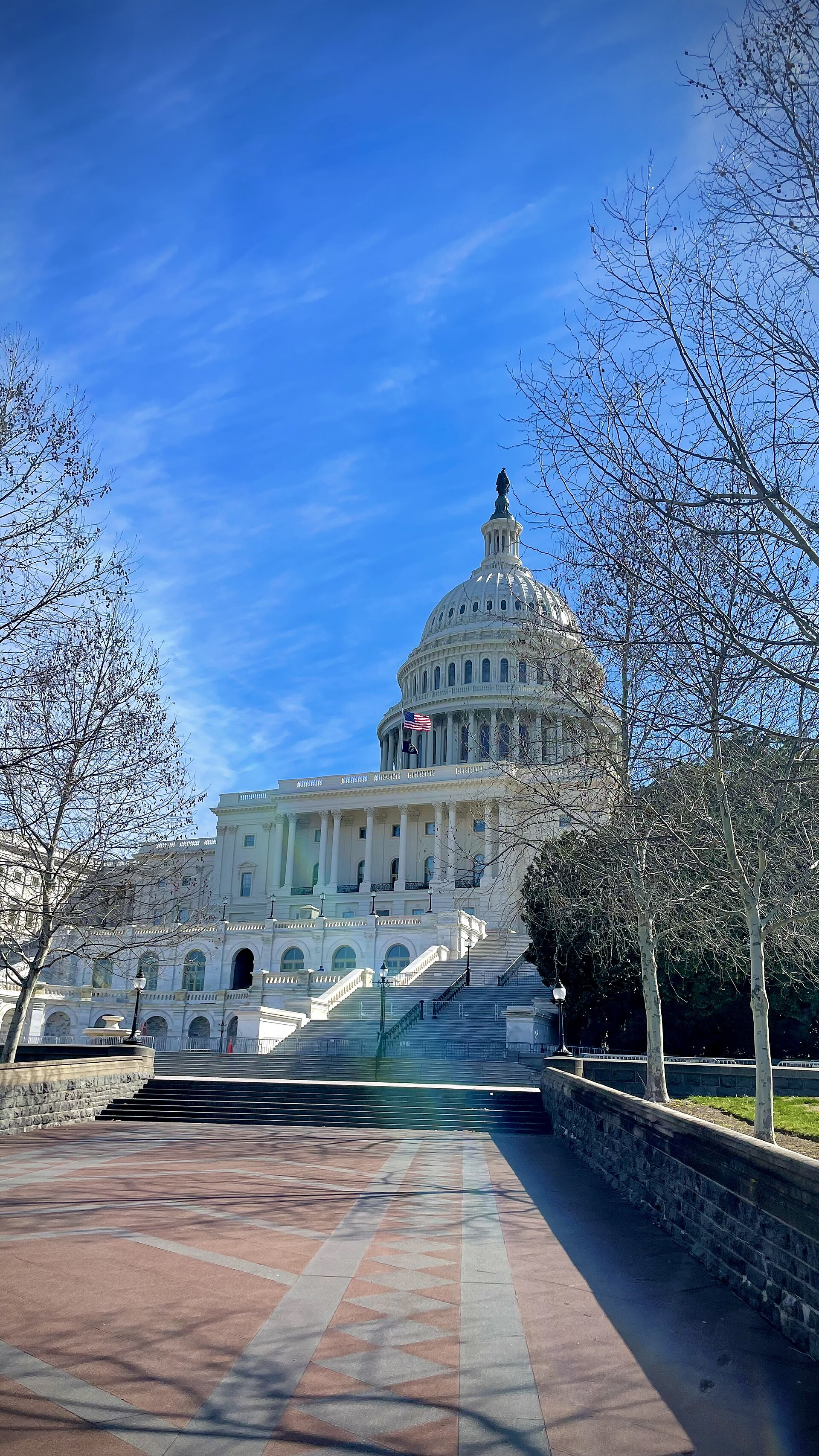
Democrats have won majorities in both the U.S. House and Senate after the November 3, 2026 midterms, as reported by the Associated Press, CBS News and Reuters. The election changes which party will organize committees, schedule votes and lead investigations when the newly elected Congress convenes in January 2027. A November 5 snapshot showed at least 54 Democratic Senate seats while Alaska and Mississippi remained uncalled; ongoing House counting will determine the final majority. Media race projections should not be confused with state certification, and Congress does not transfer control before the new term starts.
What Democratic control actually means
Democratic lawmakers will be able to choose House committee leaders, initiate congressional hearings, request information through lawful procedures and advance legislation they prioritize. Senate Democrats will have greater influence over confirmation of judges and senior federal officials. Party leaders Hakeem Jeffries and Chuck Schumer have discussed government oversight and the cost of living, but other Democratic members disagree over which reforms should come first. A party winning Congress does not mean every announced priority is already law.
What President Trump can still block
Donald Trump remains president and retains executive authority, including the constitutional veto. Even bills supported by majorities in both chambers ordinarily must be signed or passed over a veto using a much higher congressional threshold. Some Senate debates can also be affected by parliamentary rules and the need for cross-party votes. Congressional committees do not independently decide criminal guilt or impose legal penalties simply by announcing investigations. These institutional checks help explain why the next two years may involve both negotiation and conflict, rather than automatic Democratic policy changes.
How Trump and the parties have responded
Trump argued that his personal rally support did not translate into every Republican candidate's vote total and acknowledged the role of fuel prices and the Iran war in the election results, while defending the administration's decision. Vice President JD Vance emphasized those pressures in his own remarks. Democrats said the election gives them a mandate to examine spending and administrative decisions, but Republicans retained important individual offices and reject some Democratic interpretations. These are public positions, not independently proven explanations of every voter choice.
The stakes for Canada—and the results still to come
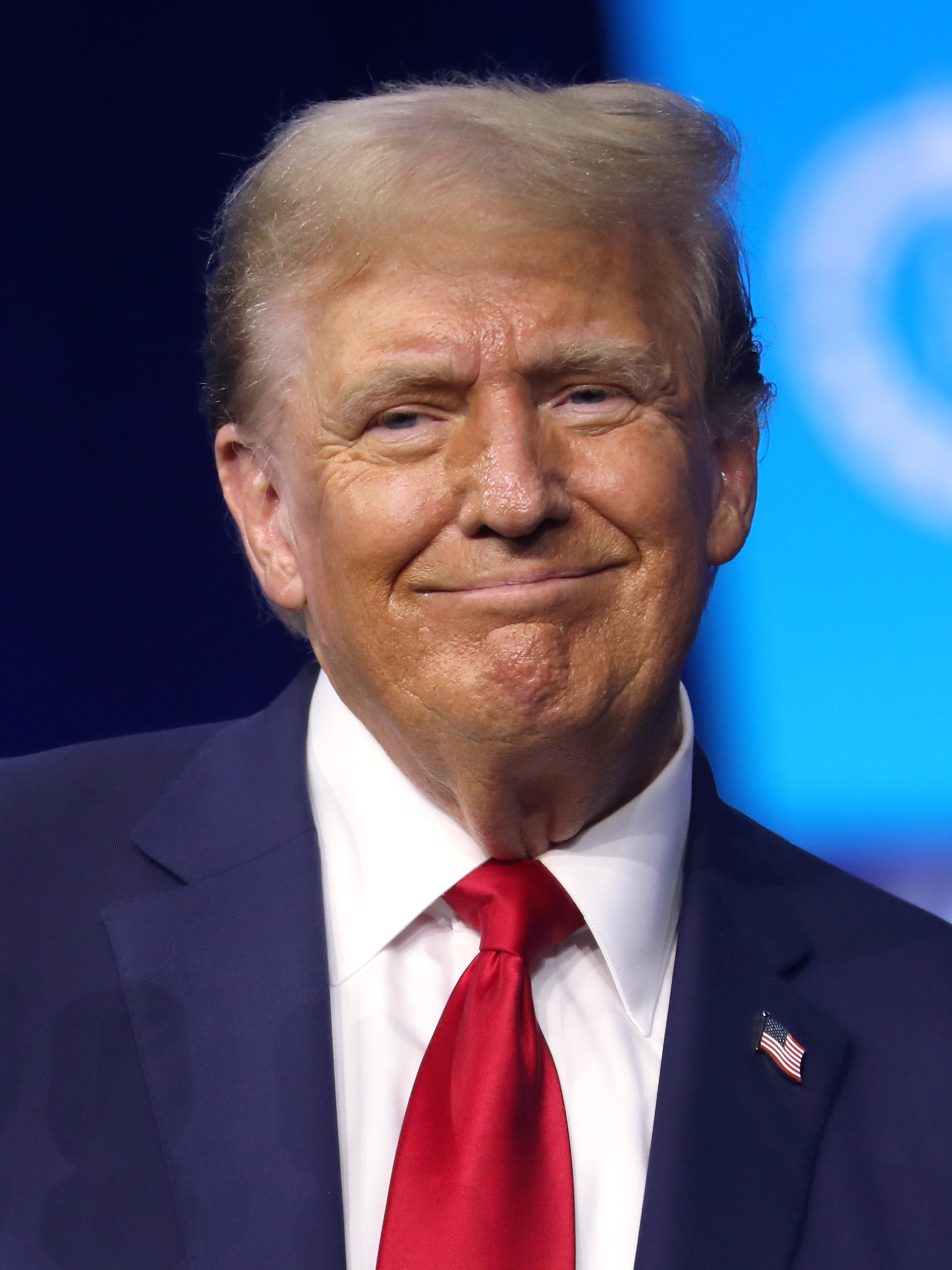
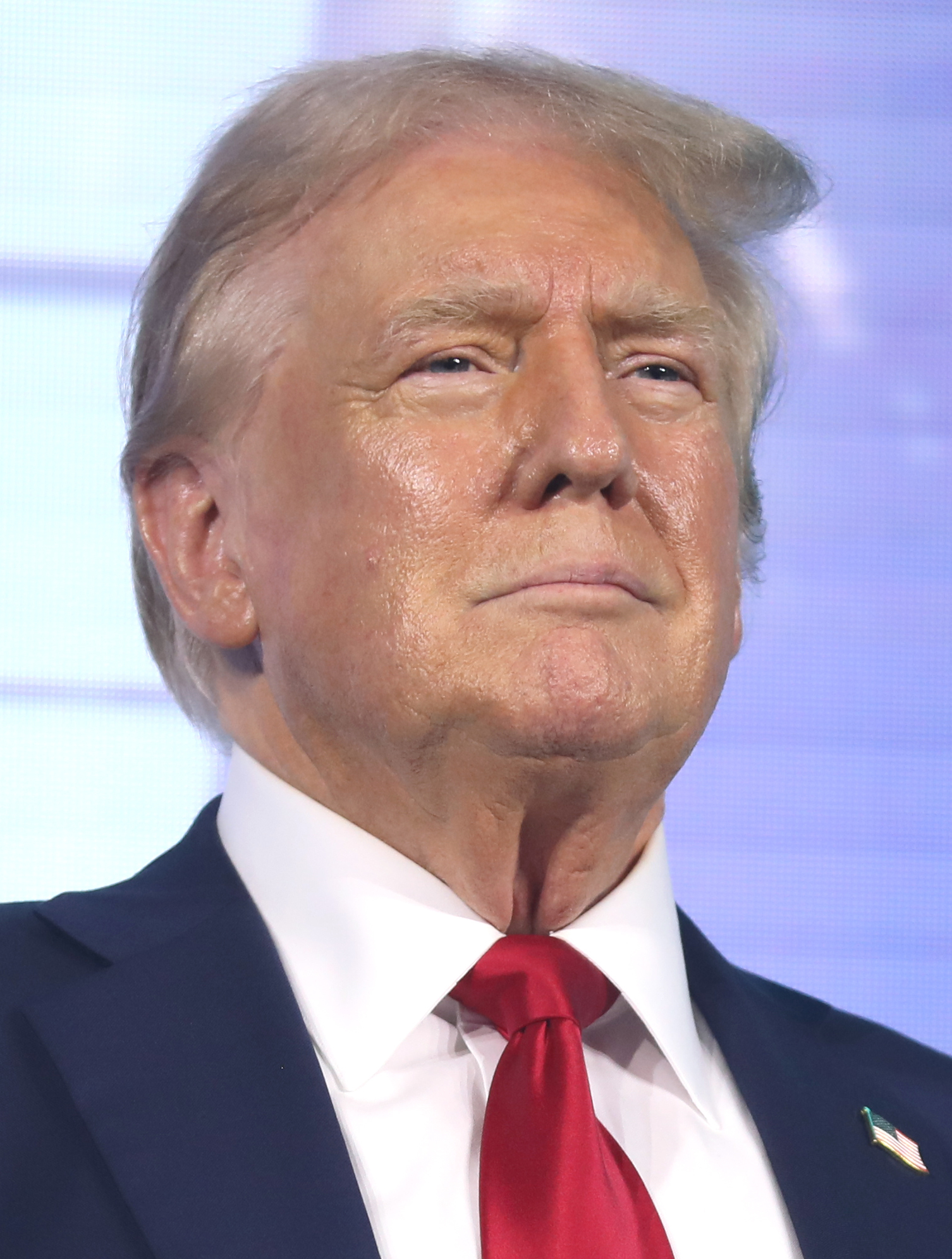
Canadian companies and households will watch how the incoming Congress handles trade legislation, fiscal negotiations, energy and the broader U.S.–Canada relationship. Control of Congress does not automatically lift existing tariffs or rewrite trade agreements. Ottawa has presented Budget 2026 against that backdrop. Alaska and Mississippi's Senate counts may enlarge or narrow the final Senate majority without reversing its party control. This November 5 article is an editorial explainer; it is not a live tally. Its photographic portrait of Trump is an archival image, not a photograph from election night.
Sources & transparency
CBS News, November 5 live midterm results and Democratic control of CongressAssociated Press, Democrats win House and Senate in 2026 midtermsReuters, congressional defeat and Republican calls for changeABC News, Vice President Vance and President Trump on election and Iran warOriginal CDN News coverage. Sources are linked for reference.
Request a correction