Nvidia's November 12 CEO change has intensified congressional scrutiny of semiconductor exports and the conduct of advanced computing suppliers.
A CEO departure has a Washington dimension
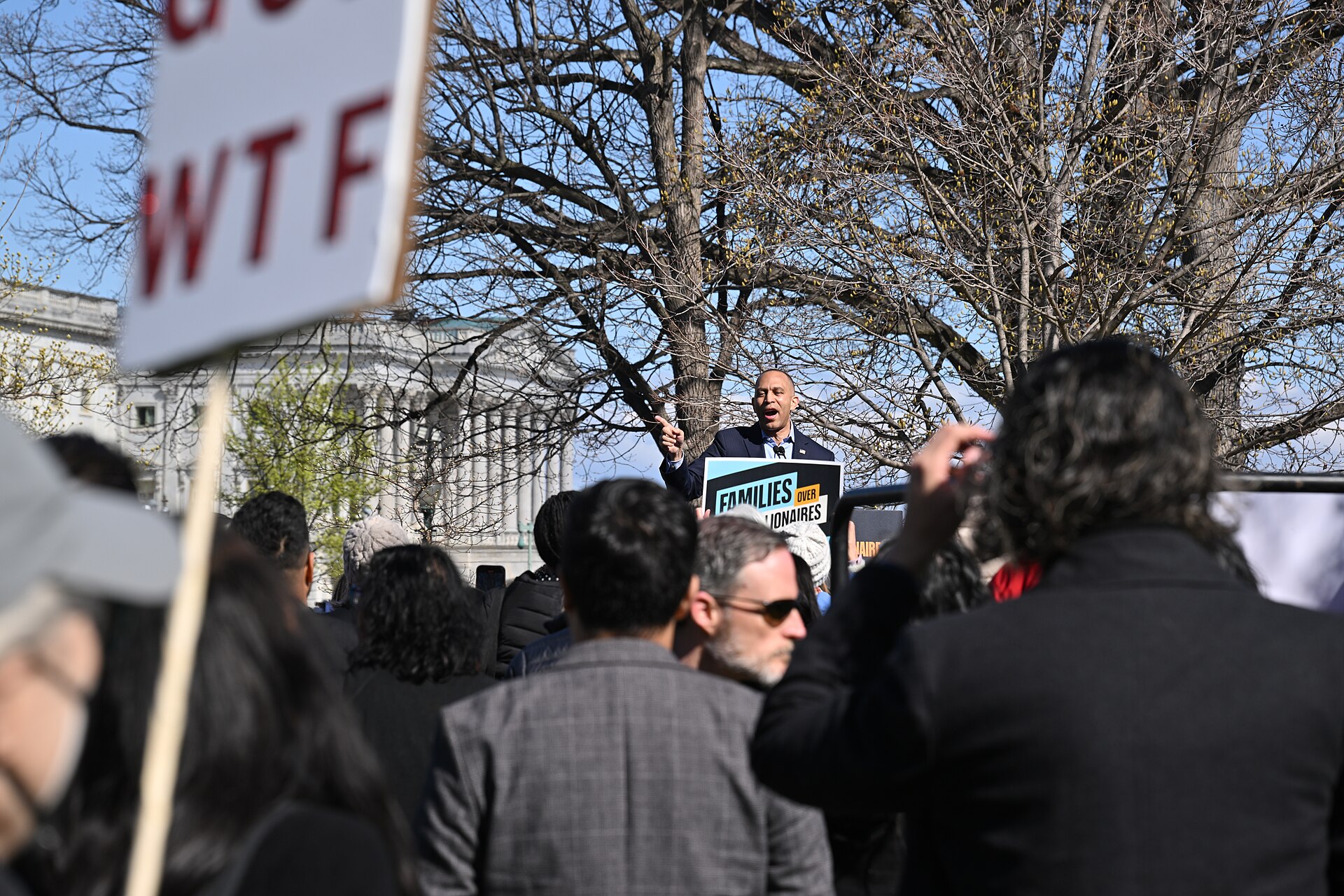
Jensen Huang's departure from Nvidia on Thursday comes as lawmakers from both U.S. parties question how advanced AI processors reach customers in China and abroad. Reuters reported that the House speaker described growing support for tougher chip export controls. Committees have also asked for documents and testimony connected to reporting about Nvidia's overseas business relationships. An inquiry or call for restrictions is not the same as a final law or an established export violation.
The investigation is separate from proven wrongdoing
Nvidia's board initiated an independent review after reporting that Huang may have been targeted by foreign intelligence. The company said it had no reason to believe U.S. national security or Nvidia secrets had been compromised. Public intelligence allegations involving people and businesses connected to the company remain unproven. Colette Kress has taken over as interim CEO, but responsibility for U.S. export policy rests with government agencies and Congress, not a corporate appointment.
What comes next
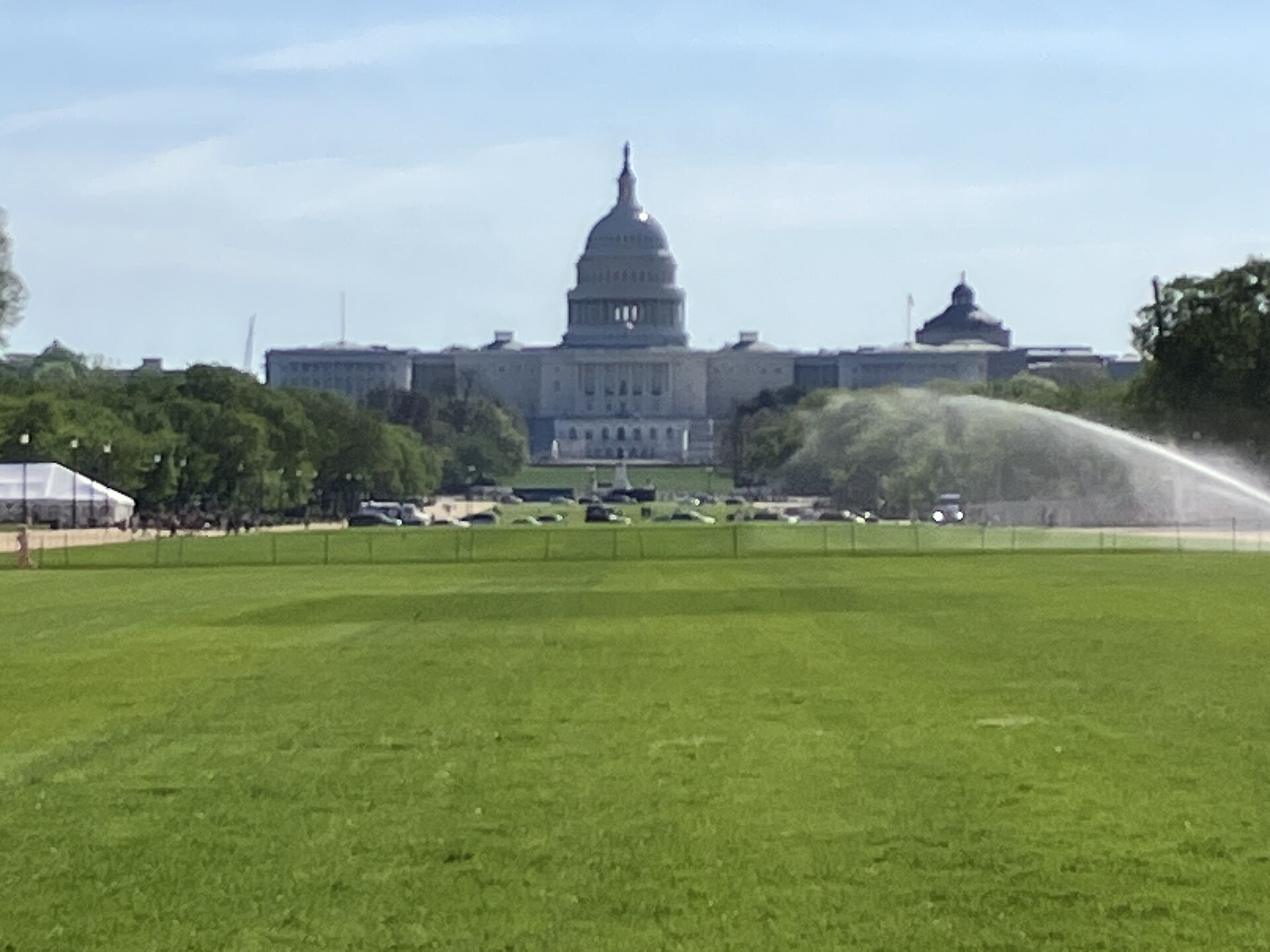
A congressional committee may hold hearings, call witnesses or recommend legislation, while the Commerce Department can act under existing export-control rules. Any new legal restriction will require official publication and implementation. CDN News will distinguish a politician's proposed policy, an active agency investigation, a court finding and the company's own statements.
Sources & transparency
Reuters — Huang resignation and chip-export concerns, Nov. 12Nvidia — Board statement announcing independent inquiryOriginal CDN News coverage. Sources are linked for reference.
Request a correction