WaterAid analysis of decades of rainfall patterns projects different risks across African regions as COP31 negotiators prepare to discuss climate resilience.
A warning about unequal water risks
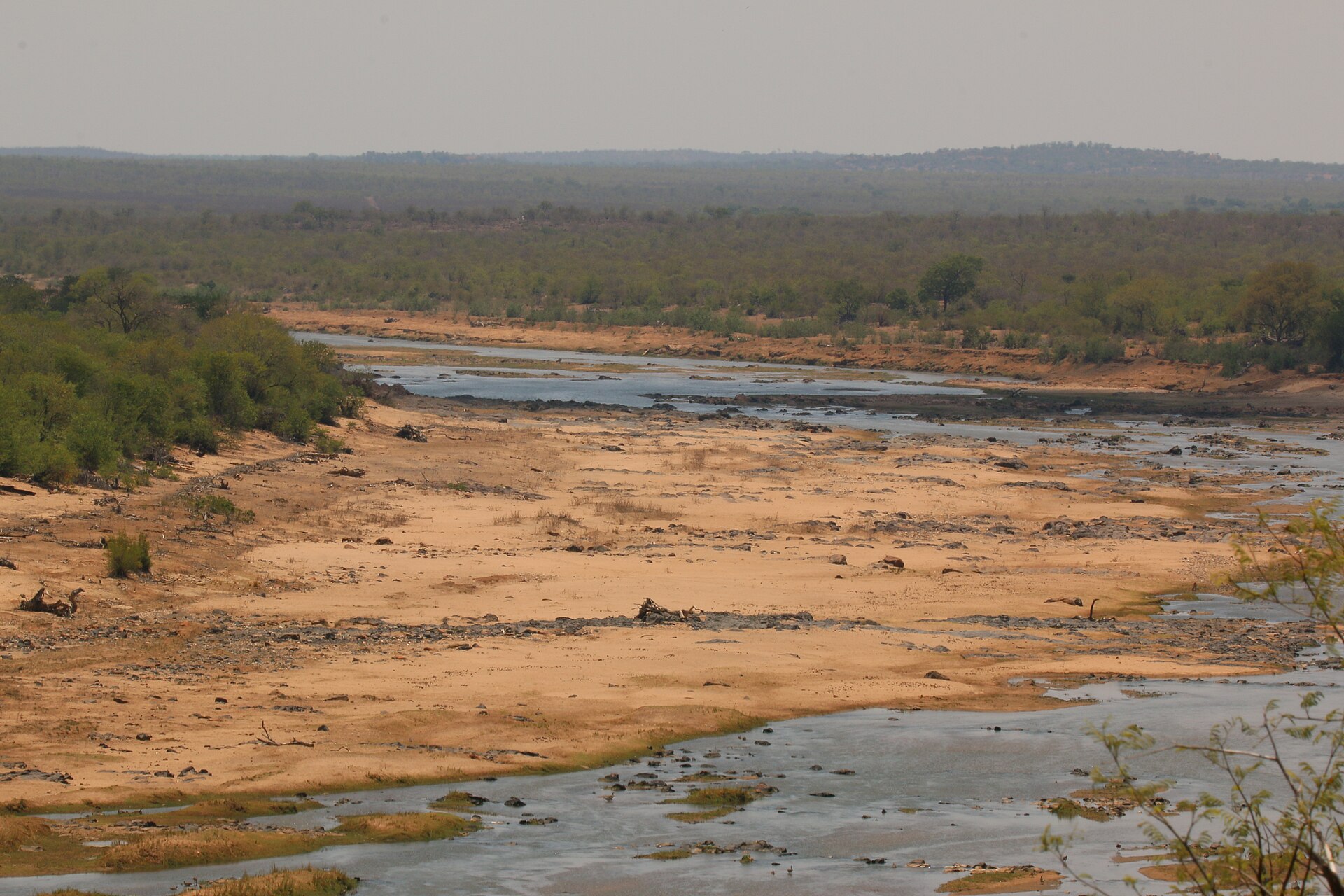
A new WaterAid analysis released ahead of COP31 suggests that a strong El Niño event could sharpen differing drought and flood hazards across Africa. The organization's research draws on 44 years of rainfall data and examines 20 cities across three regions. It projects heightened drought exposure in parts of Southern Africa, heavier-rainfall and flooding concerns in East African locations, and water-shortage risks in some coastal West African areas. These are scenario-based projections, not a report that all those disasters have already occurred.
Why the geography matters
Changes in rainfall can affect agriculture, drinking-water availability, sanitation infrastructure and local health systems differently from one location to another. The same broad climate pattern may not produce the same effect in every city, because geography, existing infrastructure and local weather variability matter. WaterAid calls for adaptation planning and financing that reflect these regional differences rather than relying on continent-wide averages.
A COP31 debate about resilience
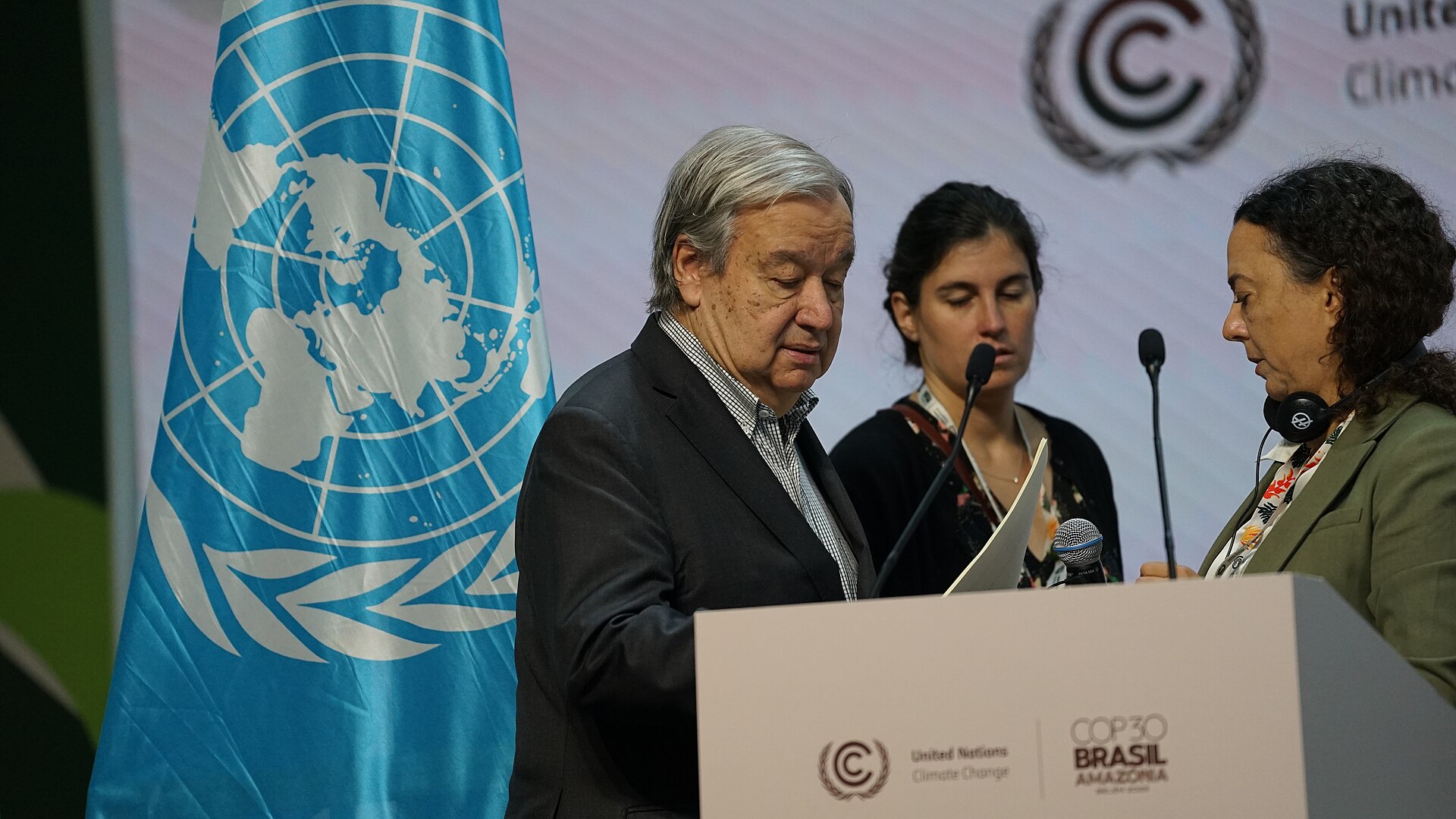
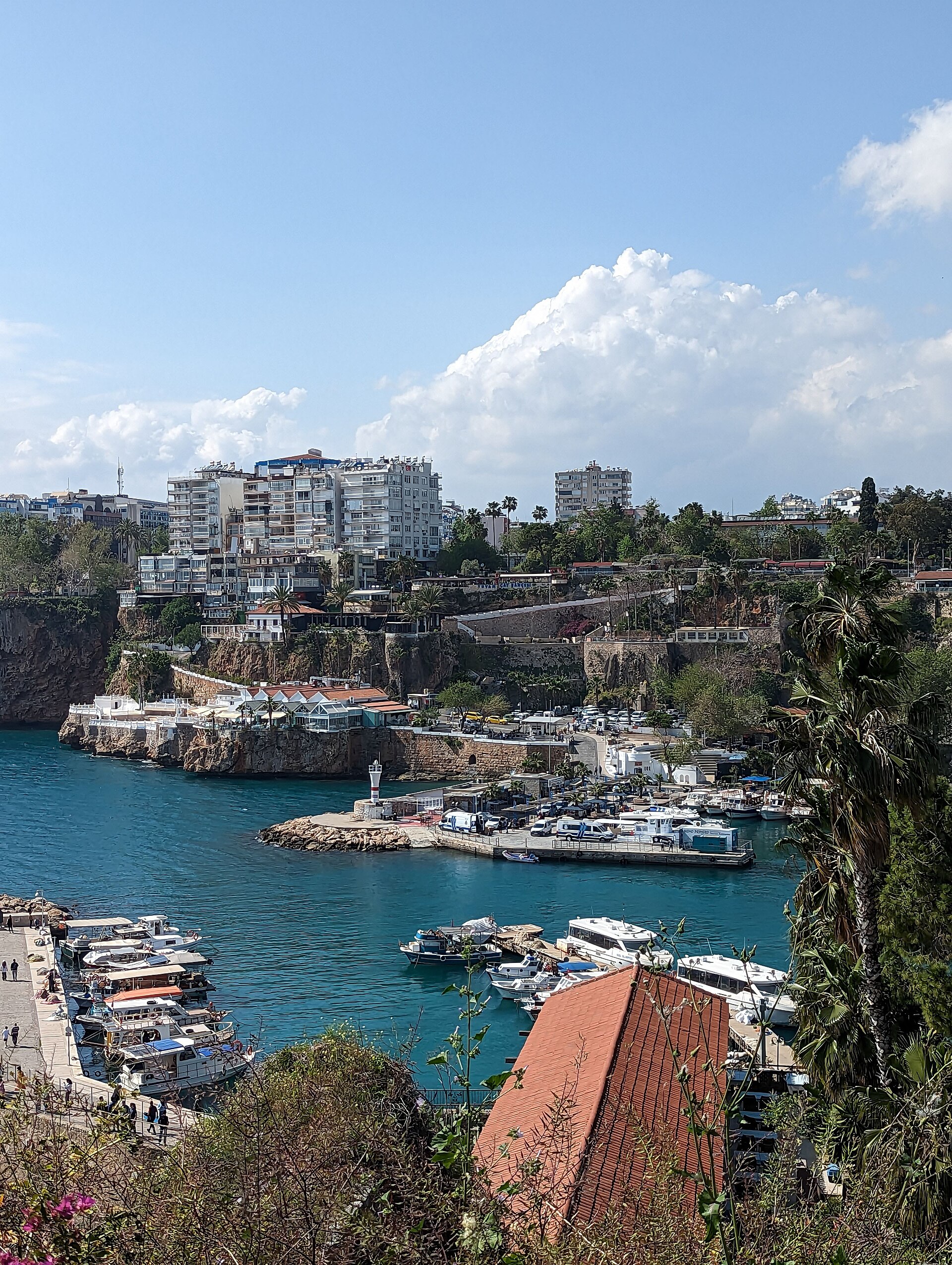
Negotiators meeting in Antalya, Turkey, are expected to discuss how wealthy and lower-income countries fund climate adaptation. WaterAid is an advocacy and humanitarian organization, and its analysis represents one contribution to that policy discussion. A particular season's rainfall patterns remain uncertain, and no individual disaster can be attributed to this outlook alone. CDN News will distinguish forecasts and advocacy recommendations from confirmed impacts and any final climate agreement.
Sources & transparency
WaterAid — El Niño risks across African cities, November 4, 2026Reuters — COP31 agenda on fossil fuels and climate finance, November 6, 2026Original CDN News coverage. Sources are linked for reference.
Request a correction