

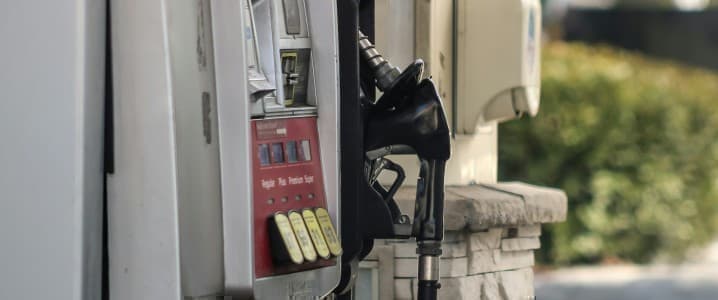
U.S. gasoline prices are set to fall to the lowest level since 2020, thanks to increasing supplies, despite some ongoing refinery maintenance, GasBuddy has predicted. GasBuddy has predicted that U.S. motorists will pay an average of $2.79 per gallon on Christmas Day, down from $2.95 per gallon a year ago. That will mark the cheapest gas since prices averaged $2.26 per gallon in the Christmas of 2020. The Energy Information Administration has projected that rising global oil inventories will put downward pressure on oil prices, with a gallon of regular gasoline expected to average $3.00 in 2026, down from $3.11 in the current year.
Unfortunately, California residents are not likely to enjoy reprieve at the pump any time soon. According to Andy Lipow, president of Lipow Oil Associates, gas prices in California could surge past $5 per gallon in 2026 due to a dearth of refineries. Currently, gas prices in the Golden State average $4.31 per gallon, with only Hawaii residents paying more at $4.42 per gallon. Most of the gasoline consumed in Hawaii is delivered by ship.
“The loss of the refineries are certainly going to result in California having much shorter gasoline supplies,” Lipow said. “The price of gasoline in California will rise on a sustained level, because it’ll have to attract imported gasoline month in and month out.”
Back in April, Valero Energy Corp. (NYSE:VLO) said it was planning to shut down a refinery in the Bay Area while Phillips 66 (NYSE:PSX) is slated to follow suit by closing its Los Angeles refinery at the end of the month. The two refineries supplied ~17% of the state’s gasoline. But these are hardly isolated incidents. For years, California refineries have been shuttering at a rapid clip due to a mix of intense regulatory pressure, high compliance costs (including the Low Carbon Fuel Standard), the expense and difficulty of upgrading to meet strict environmental rules for special fuel blends, declining long-term gasoline demand from EV adoption and general market uncertainty. This has made operations less profitable or feasible compared to importing refined products.
High EV adoption and California’s plans to ban vehicles powered by fossil fuels by 2035 have been forcing refinery operators to pull out of the state. Nearly a quarter of new cars sold in California in the first nine months of 2025 were electric, the highest mark by any state. California’s EV sector is booming, hitting a record 29.1% market share for new Zero-Emission Vehicle (ZEV) sales in Q3 2025. California is now home to nearly 2.5 million ZEVs, with strong adoption driven by robust consumer demand, expanding infrastructure (over 200,000 public chargers), and state policies despite federal hurdles, as Californians embrace cleaner cars for better air quality.
Meanwhile, California’s Low Carbon Fuel Standard (LCFS) is a landmark program by the California Air Resources Board (CARB) that cuts transportation emissions by setting declining carbon intensity (CI) targets for fuels, forcing producers to lower their fuel’s lifecycle carbon footprint or buy credits from those who do, driving innovation, investment in clean tech, and reducing oil dependence for cleaner air and climate benefits. It uses a credit system where low-carbon fuels earn credits, and high-carbon fuels generate deficits, encouraging electrification (EVs, hydrogen) and biofuels, with recent amendments aiming for steeper reductions (30% by 2030, 90% by 2045).
Last year, San Bernardino, a Southern California city, unveiled the country’s first-ever hydrogen-powered passenger train, an important milestone as California ramps up efforts to meet its 2045 carbon neutrality goals. Dubbed Zemu for Zero-Emission Multiple Unit, the $20 million train uses a hybrid hydrogen fuel cell and battery system to power the lightweight vehicle capable of ferrying 108-seated passengers on a 9-mile line known as the Arrow Corridor. San Bernardino is notorious for its poor air quality thanks to a high concentration of freeways, rail yards and industrial facilities.
California is actively expanding its hydrogen train network, with Caltrans ordering more hydrogen-powered trains from Stadler for services like Valley Rail, aiming for zero-emission rail and securing federal funding for clean hydrogen hubs to support this growth, though some debate exists about hydrogen’s overall efficiency compared to electrification. Hydrogen trains are considered a practical solution for U.S. rail lines, which often lack the infrastructure for full electrification.
That said, it’s going to be interesting to see how California’s energy sector adapts to the Trump administration. California accounted for $3.3 billion of the $8 billion in energy funding cuts announced by the administration, including $1.2 billion for the ARCHES hydrogen hub.
By Alex Kimani for Oilprice.com
More Top Reads From Oilprice.com



