
Economy
CEE energy trends to watch in 2026

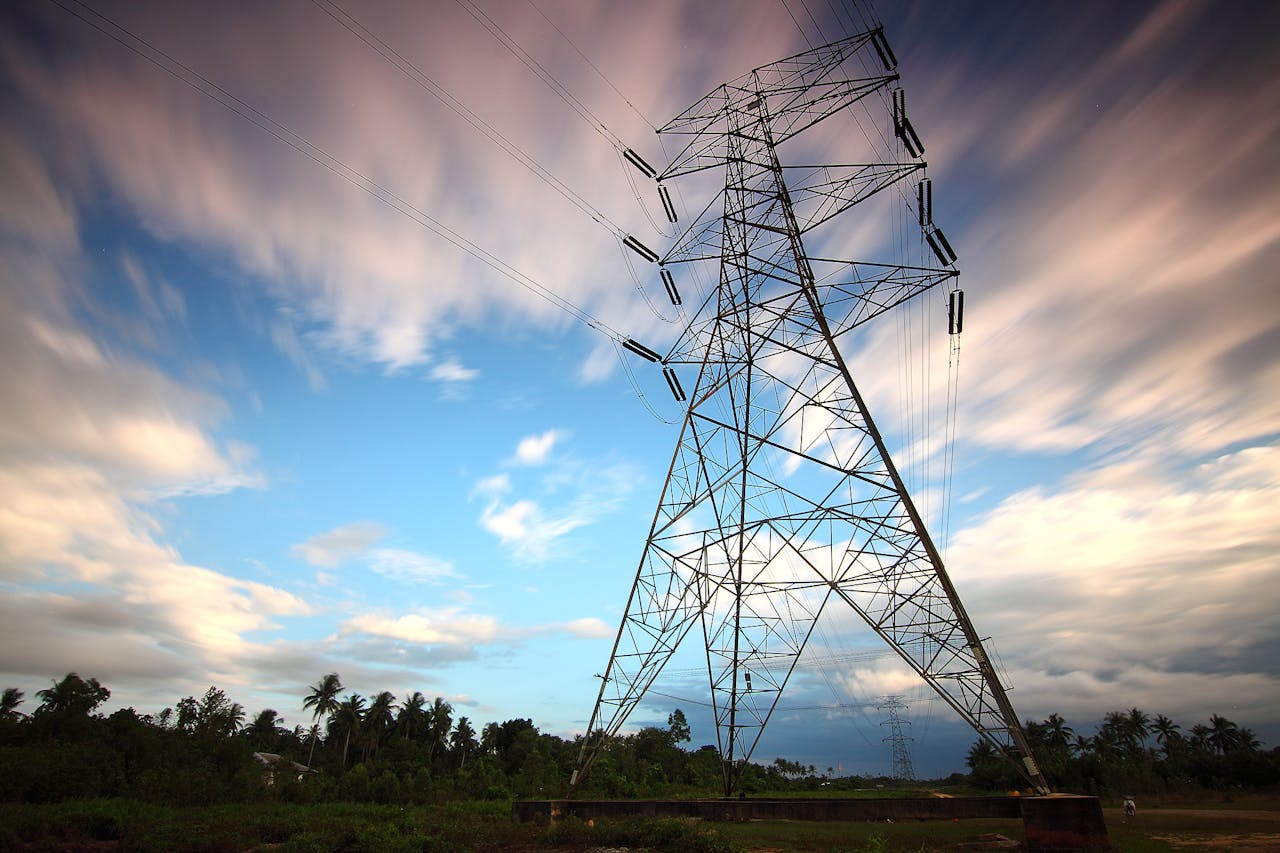
At the beginning of 2026, most Central and Eastern European countries are navigating conflicting pressures to improve energy security, maintain affordable prices for households and industry and advance with climate goals in line with European Union commitments. Among other requirements, the shifting energy mix and expanding cross-border electricity trade will demand significantly stronger national grids across virtually every country in the region, necessitating substantial financial and human resources. At the same time, regulators will need to exercise considerable caution in their decision-making, as both an overly rapid and a too slow transition carries the risk of causing long-term damage to the individual countries. Several consequential EU-level regulatory decisions are also expected already in the first half of the year.
Oil and gas remain central to short-term security, though Brent crude prices in 2026 will probably hover in a range that allows for planning. A survey of 34 industry analysts asked by Reuters indicates that global oil supply is expected to outpace demand in 2026, with Brent crude forecast to average 61.27 dollars per barrel for the year.
“Holding production steady through Q1 2026 helps limit near-term volatility and provides some support to prices, but it does not materially alter the underlying surplus. Even with quotas unchanged, supply is expected to exceed demand, keeping prices under pressure through the year,” said Bridget Payne, the Head of Energy Forecasting at Oxford Economics, to Reuters.
According to the International Energy Agency’s (IEA) latest forecast, Europe’s oil demand peaked in 2022 and is projected to continue declining in the coming years, driven primarily by falling consumption of gasoline and diesel across the region. The agency also adds that a growing number of European refineries are expected to either close or undergo major transformation by 2030. Most facilities will need to pivot toward an increased share of biorefining, or low-carbon fuel production, to remain operational.
European oil demand by product, 2019-2030 (mb/d)
| 2024 | 2025 | 2026 | 2027 | 2028 | 2024-30 Growth Rate | |
| LPG/Ethane | 1.2 | 1.2 | 1.2 | 1.2 | 1.2 | 0.80% |
| Naphtha | 1.0 | 1.0 | 0.9 | 0.9 | 0.9 | -1.60% |
| Gasoline | 2.5 | 2.6 | 2.6 | 2.6 | 2.6 | -0.30% |
| Jet/Kerosene | 1.6 | 1.6 | 1.6 | 1.6 | 1.7 | 1.20% |
| Gasoil/Diesel | 6.5 | 6.4 | 6.3 | 6.1 | 6.0 | -2.00% |
| Residual fuel oil | 0.9 | 0.9 | 0.9 | 0.9 | 0.8 | -0.80% |
| Other products | 1.3 | 1.3 | 1.3 | 1.3 | 1.3 | -0.10% |
| Total products | 14.9 | 14.9 | 14.8 | 14.6 | 14.5 | -0.80% |
| Annual change | 0.1 | 0.0 | -0.1 | -0.2 | -0.2 |
Source: IEA
IEA expects a sustained decline in natural gas demand across Europe overall, though individual countries may still deviate from this trend in 2026. In Hungary, for example, domestic gas consumption rose by nearly 9 per cent in 2025 compared with the previous year, even as broader European demand trends pointed downward. Kpler forecasts only a modest increase in European natural gas demand in 2026 compared with last year, while projecting an average price of 9.81 US dollars per MMBtu (Million British Thermal Units) for the year. On average, natural gas prices in Central and Eastern Europe are expected to remain volatile in 2026 but trend broadly lower than recent peaks, driven primarily by robust European LNG import capacity.
The critical role of the power grid
The European Union’s path to decarbonisation depends to a large extent on the stability of its electricity system. IEA emphasises that the expansion of energy storage solutions, data quality improvements, market reforms and most of all, the primary bottleneck, grid modernisation, will be essential to support the ongoing transition in the European Union’s electricity sector. Bruegel highlights that to safeguard affordable electricity supplies while preserving the benefits of Europe’s integrated power market, the electricity capacity mechanisms in Europe should be much better coordinated on the regional level. IEA remarks that the factors influencing electricity price stability are also shifting. Reduced reliance on fossil fuels offers greater insulation from traditional market price shocks, but the growing share of weather-dependent renewables introduces a new source of variability. However, IEA’s analysis of seasonal patterns over the past 30 years indicates that weather-related effects – though they can be regionally significant – have generally had a much smaller impact on electricity costs than fluctuations in fossil fuel prices.
Renewables continue to surge, with solar and wind accelerating across the region. Baltic states are especially going to push for greater renewables integration to displace more expensive fossil imports. Grid modernisation and regional interconnections will be also vital to absorb higher levels of wind and solar power. Ember noted that Central Europe, a region once lagging in solar generation, expanded faster than many traditional European Union leaders in 2025.
The shift gained strong momentum that summer, with Hungary generating more than 40 per cent of its electricity from solar in June, while Poland and Czechia also posted their highest monthly solar outputs on record. The consultancy expects clean power generation to continue scaling rapidly in 2026, while electricity markets undergo significant shifts and the power system increasingly becomes the central pillar of national economic strategies. In a related note, Bruegel points out that to modernise their energy sectors, Western Balkan countries need to cut dependence on Russian supplies, couple with the EU electricity market and phase out coal. But these steps can pose serious challenges, as Serbia and Bosnia and Herzegovina remain heavily reliant on Russian oil and gas, Albania leads in renewables, and Montenegro is relatively advanced overall, but all fall behind on EU regulatory alignment, which is delaying the planned 2027 market coupling.
Nuclear energy will also remain an influential component of the regional energy mix. While nuclear projects cannot be realised from one day to the next, several countries in the region are showing growing interest in small modular reactors (SMRs). Poland, meanwhile, has committed to building a new large-scale conventional nuclear power plant. Hydrogen is expected to remain largely niche in CEE’s 2026 energy system. Though there are notable signs of growth, clean hydrogen’s widespread adoption faces ongoing economic and technical hurdles.
Part of the current Hydrogen Infrastructure Map.
Beyond market forces and infrastructure projects, Central and Eastern Europe’s energy sector will remain heavily influenced by a shifting mix of regulations, political priorities and the persistent impact of the war in Ukraine and potential new conflicts. In most countries, the broader framework is set by major EU programmes, but national policies retain significant power to either accelerate or seriously delay the energy transition.
Potential regulatory changes
The European Union has a transformative legislative schedule in the first half of 2026 as it attempts to finalise its separation from Russian energy and deliver more effective regulation across several energy sectors. At the same time, a series of high-stakes national elections in Europe, such as in Slovenia or Hungary in the spring, will test the national governments’ commitment to these EU-driven energy goals. Past experience shows that potential vetoes from member states opposing EU energy goals can significantly obstruct the bloc’s decision-making process.
Focusing more on the EU regulations, key deadlines begin on 1 March, which is the deadline by which EU Member States must submit national diversification plans to the Commission outlining how they will shift energy supplies away from Russian sources. 15 March is the deadline for a final review of Russian gas exit strategies. This is followed by an April 15 closing date for the European Hydrogen Bank’s multi-billion-euro subsidy auction. By late April, the Commission expects to unlock critical heightened REPowerEU funding for cross-border grid expansions.
In May, a new Electrification Strategy is slated for mid-month, followed by a May 31 deadline for stricter energy labelling standards. In June, focus turns to the Heating and Cooling Initiative and an overhaul of the alliance’s biogas regulations. A late-June review of the controversial ETS2 carbon-pricing system, which directly affects household heating costs. It is also important to note that Cyprus will hand the EU presidency to Ireland on 1 July.


Just 24 minutes of specially designed music could significantly reduce anxiety

JBL’s Best Wireless Headphones Are $170 Off at Walmart

Why Does the Supreme Court Treat Trump Like a “Regular” President?

Bob Vylan Banned From U.S. Over Glastonbury Controversy

For five older job seekers, finding new work took creativity, new skills and, in some cases, lowered expectations
