
Real Estate
Housing starts up 5.6% last year, but slowdown anticipated for 2026

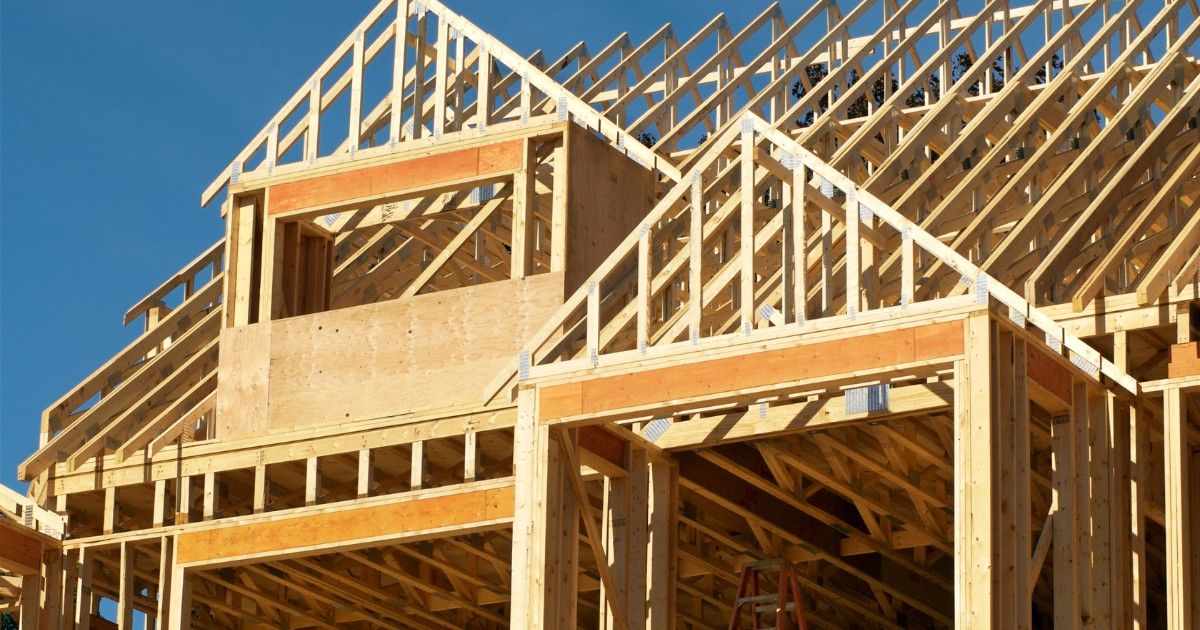
Canada Mortgage and Housing Corp. (CMHC) says housing starts in 2025 rose 5.6 per cent compared with 2024, largely on the back of new rental housing.
The federal housing agency says starts totalled 259,028 last year, up from 245,367 a year earlier.
Canada’s six largest Census Metropolitan Areas (CMAs) saw a combined 3.9 per cent year-over-year increase driven by record annual starts in Calgary and Edmonton, Montréal, and Ottawa-Gatineau. These results made up for year-over-year decreases in Toronto (-31 per cent) and Vancouver (-3 per cent).
Year-end results
Housing starts increased 25 per cent year-over-year in centres with a population of 10,000 or greater, with 20,716 units recorded in December, compared to 16,531 units in December 2024. This marks the most actual housing starts for December on record, primarily driven by increases in Ontario, which had its highest monthly starts total of 2025.
The annual pace of rural starts was estimated at 12,271 units in December.
‘Slowing momentum’ anticipated
While housing starts in 2025 finished ahead of 2024 and inched up in December, most of the momentum in housing construction occurred in the spring and summer. Since September, the trend in housing starts has consistently decreased, said Mathieu Laberge, chief economist and senior vice-president of housing insights at CMHC.
“As such, housing starts are beginning this year from a weaker position and market intelligence suggests slowing momentum for residential construction,” he said.
TD Bank economist Rishi Sondi said in a note that he anticipates housing starts will moderate in 2026 due to sharply slower population growth, rising vacancy rates across several regions, climbing unsold inventories, and weak pre-construction sales activity in the Greater Toronto Area market.
“On the other hand, federal initiatives like Building Canada Homes could provide upside support,” he said.



Trump warns NATO to help secure Strait of Hormuz or face ‘very bad future’ – National

Is Dogecoin Ready to Rally?

The record-breaking average age of first-time homebuyers revealed

Bob Vylan Banned From U.S. Over Glastonbury Controversy

For five older job seekers, finding new work took creativity, new skills and, in some cases, lowered expectations
