

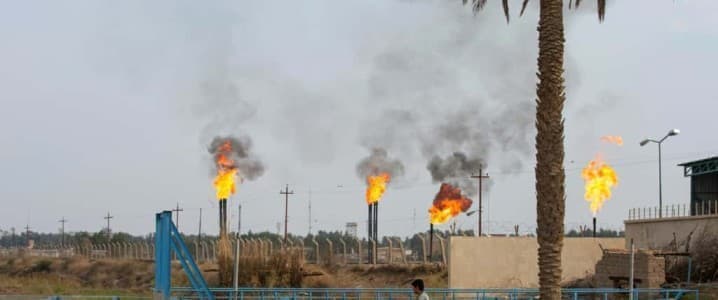
Following the U.S. sanctions on Russia’s Lukoil, which operated one of Iraq’s largest oilfields, Baghdad temporarily took control over the West Qurna 2 project, which accounts for 10% of all Iraqi oil production and 0.5% of global crude supply.
Lukoil had a 75% equity stake in West Qurna 2, which produces more than 400,000 barrels per day (bpd) of crude oil. The U.S. sanctions made it impossible for Lukoil to continue operating the huge field.
Following the U.S. sanctions on Lukoil and Rosneft, “as a result of Russia’s lack of serious commitment to a peace process to end the war in Ukraine,” Lukoil announced it would sell all of its international assets, initiating a formal process to receive bids from potential buyers.
After temporarily giving the West Qurna 2 operatorship to state-run Basra Oil Company, the Iraqi government wants to award the contract to another major oil company and is in talks with Chevron on a potential deal.
The U.S. supermajor, however, seeks higher returns from the project in the negotiations, which have been dragging on for weeks, Reuters reports, citing sources with knowledge of the matter.
Chevron wants to expand its operations in OPEC’s second-largest and the world’s seventh-biggest producer, but, apparently, not at any cost.
The U.S. major last year signed a deal to return to Iraq and develop the Nasiriyah Project, including four exploration blocks, as well as the Balad oilfield and other producing fields and additional exploration areas in the country.
Related: Iraq’s Key Gas Field Sends a Long-Awaited Signal to Washington
Iraq has overhauled its contract terms for newly-awarded fields, but fields such as West Qurna 2 continued to be developed under the previous terms that were seen as unfavorable by international majors.
In 2024, Iraq moved to profit-sharing contracts for new bid rounds, from the technical service contracts it had awarded until then. With improved contract returns in the biggest change in Iraq’s petroleum regulatory landscape in decades, Baghdad seeks to attract more investment in its oil and gas industry by some of the world’s biggest oil firms.
Under the profit-sharing contracts, the foreign companies are being offered a share of the revenue from the license after deducting royalty and cost recovery expenses.
In contrast, traditional technical service contracts offer a flat rate for every barrel of oil produced after reimbursing costs. These generally pay foreign investors less than what they would have received under production-sharing contracts.
Foreign firms operating in Iraq have complained that the technical service contracts, with the flat rate, do not allow them to benefit when international crude oil prices rise. These contracts become even less lucrative for foreign investors when costs increase.
West Qurna 2, under Lukoil’s operatorship, was under a technical service contract. The contract offered one of the smallest returns of all deals in Iraq, according to industry sources who spoke to Reuters.
It’s no surprise then that Chevron seeks improved returns before committing to operating one of the biggest conventional oilfields not only in Iraq but also in the world.
Chevron, like other Big Oil firms, is carefully selecting investments these days and expects to get a bang for its buck, to continue boosting returns for shareholders. Each of the Big Oil companies has a few select priority areas that they consider core operations, both because they are huge in volumes and lucrative in returns.
So it is only natural that Chevron would want to see higher returns from West Qurna 2 before agreeing to take over the operatorship of the field.
Talks between Chevron and Iraq on West Qurna 2 continue, the Iraqi Oil Ministry told Reuters.
“The negotiations are still ongoing, with many details remaining under discussion,” the ministry said.
The crucial detail would be the project’s returns for Chevron.
By Tsvetana Paraskova for Oilprice.com
More Top Reads From Oilprice.com



