
Economy
UPND Will Win With or Without Electricity Situation, Government Says

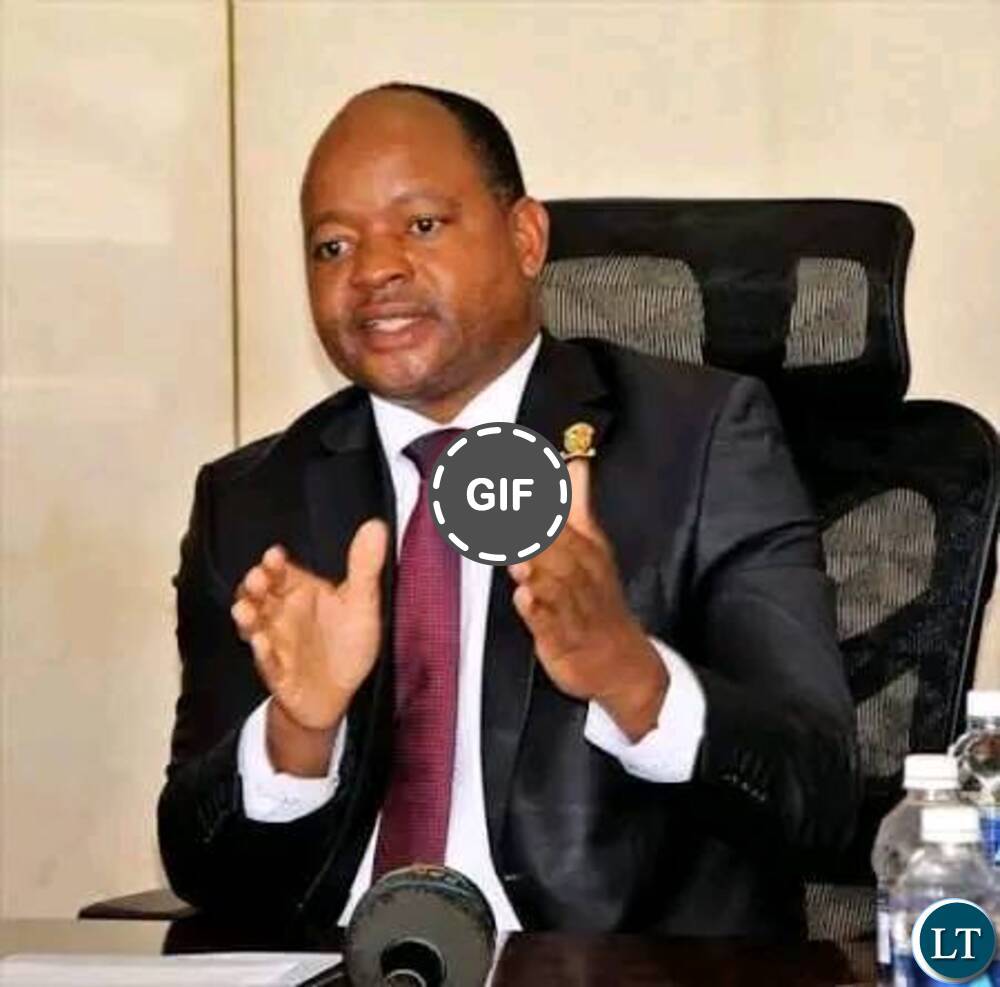
Government says the availability of electricity is not a campaign strategy ahead of the August 13 general elections, stating that the UPND’s electoral prospects are based on its performance in office.
Government spokesperson and Information and Media Minister Cornelius Mweetwa dismissed claims that the current power supply improvements are politically motivated. He said voters would support the UPND regardless of whether load shedding continued.
Mweetwa said the ruling party’s confidence is rooted in fulfilled campaign promises under President Hakainde Hichilema’s leadership, including mass employment initiatives, free education and ongoing energy sector reforms. He added that the President now enjoys greater public trust compared to when he first assumed office.
The minister explained that the recent improvement in electricity availability is the result of multiple government-led initiatives. These include solar plants now generating power, electricity imports by private sector players, favourable rainfall patterns and cooperation between Zambia and Zimbabwe on energy production.
He noted that private companies are importing power using their own resources and selling it mainly to mining companies, which helps free up Zesco-generated electricity for domestic consumers. He also said Zambia and Zimbabwe reached agreements allowing increased water use for power generation at Kariba and expanded electricity imports through the Zimbabwe grid.
“Our target was and remains the importation of 600 megawatts through the Zimbabwe grid line, and that has contributed to the current power supply situation,” Mweetwa said, adding that good rainfall has also supported increased generation.
He further explained that Zambia is transitioning away from sole reliance on hydroelectric power towards a diversified energy mix that includes solar, thermal and privately generated electricity. Government has also introduced incentives such as zero-rated taxes on imported solar equipment and measures to encourage private investment in energy production.
Mweetwa said households and private companies are increasingly generating electricity through net metering, feeding surplus power back into the national grid. He estimated that private producers are collectively generating about 30 megawatts for domestic and commercial use.
He added that these reforms aim to ensure a more reliable energy supply, support industrial development and reduce the impact of weather-related disruptions on hydroelectric power generation.
Loading read count…


CEOs of top airlines demand Congress restore funding to Homeland Security and pay airport workers

Ford government poised to waive HST on all new homes as sector struggles

ECB and Bank of England to Stand Pat as Iran Conflict Upends Forecasts

Bob Vylan Banned From U.S. Over Glastonbury Controversy

For five older job seekers, finding new work took creativity, new skills and, in some cases, lowered expectations
