A Canadian-centred midterms analysis grounded in Parliament's fiscal watchdog and U.S. election reporting.
Canada has a direct stake in U.S. congressional power
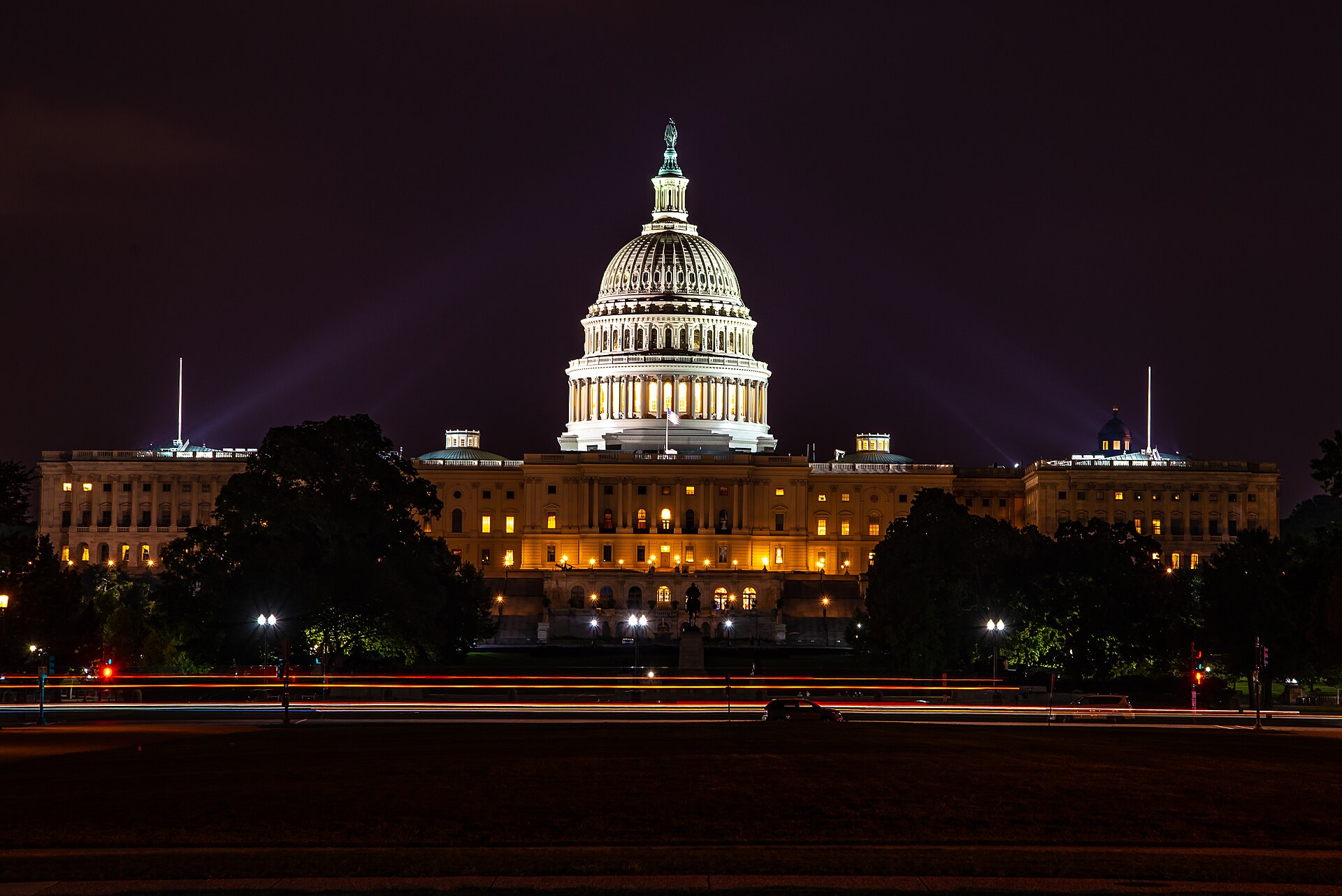
The November 3, 2026 U.S. midterm elections will determine which party controls the House and Senate for the final two years of President Donald Trump's term. From Canada's perspective, a changed congressional majority could affect committee oversight, spending debates, hearings and the political pressure surrounding cross-border trade. It would not automatically repeal tariffs, approve a new trade agreement or end negotiations between Ottawa and Washington. Executive, legislative and judicial authorities are distinct, and the precise policy impact depends on the resulting seat counts and actions that follow.
The measured economic cost of trade barriers
Canada's Parliamentary Budget Officer published an assessment on October 20 saying trade restrictions introduced since June increased the trade-weighted average effective U.S. tariff rate on imports from Canada from 5.3% to 7.7%. In response, Canada's comparable effective rate on U.S. imports increased from 1.6% to 3.0%. Across combined measures introduced since early 2025, the PBO estimated Canada's real GDP level would be 1.4% lower after five years than in a pre-tariff baseline. Those are modelled effects under assumptions, not a prediction of a particular election outcome.
What the next Congress could influence
Congress has powers involving trade legislation, federal budgets, hearings and oversight of executive agencies. A Democratic majority in one or both chambers could lead to more scrutiny of the president's trade policies, while a Republican majority could support more of the administration's agenda, though individual lawmakers do not always vote as a bloc. Negotiations and administrative measures can still be pursued by the executive branch. No current election projection establishes which specific Canada-U.S. agreement will be reached.
What Canadian businesses should watch next
Exporters, importers and households have reason to monitor the actual congressional balance, subsequent legislative proposals, customs measures and statements from Ottawa and Washington. Canada's November 5 federal budget is another separate policy event, and the midterms do not determine its contents. For reliable election coverage, watch verified race calls rather than rumours or forecasts, and look for official Canadian trade-policy changes before drawing business conclusions. This article explains exposure and policy mechanisms, not an endorsement of any U.S. party.
Sources & transparency
Parliamentary Budget Officer, Economic Impact of Recent Canada-U.S. Trade Measures, October 20, 2026Reuters, U.S. midterms and control of Congress, November 3, 2026Reuters, How election outcomes could shape Trump's final two years, November 2, 2026Original CDN News coverage. Sources are linked for reference.
Request a correction