Canada's new federal Budget 2026 is the main national political story: an independently contextualized November 6 edition covering November 5 release, fiscal cost, households, investment and Parliament.
Ottawa presents its new national fiscal plan
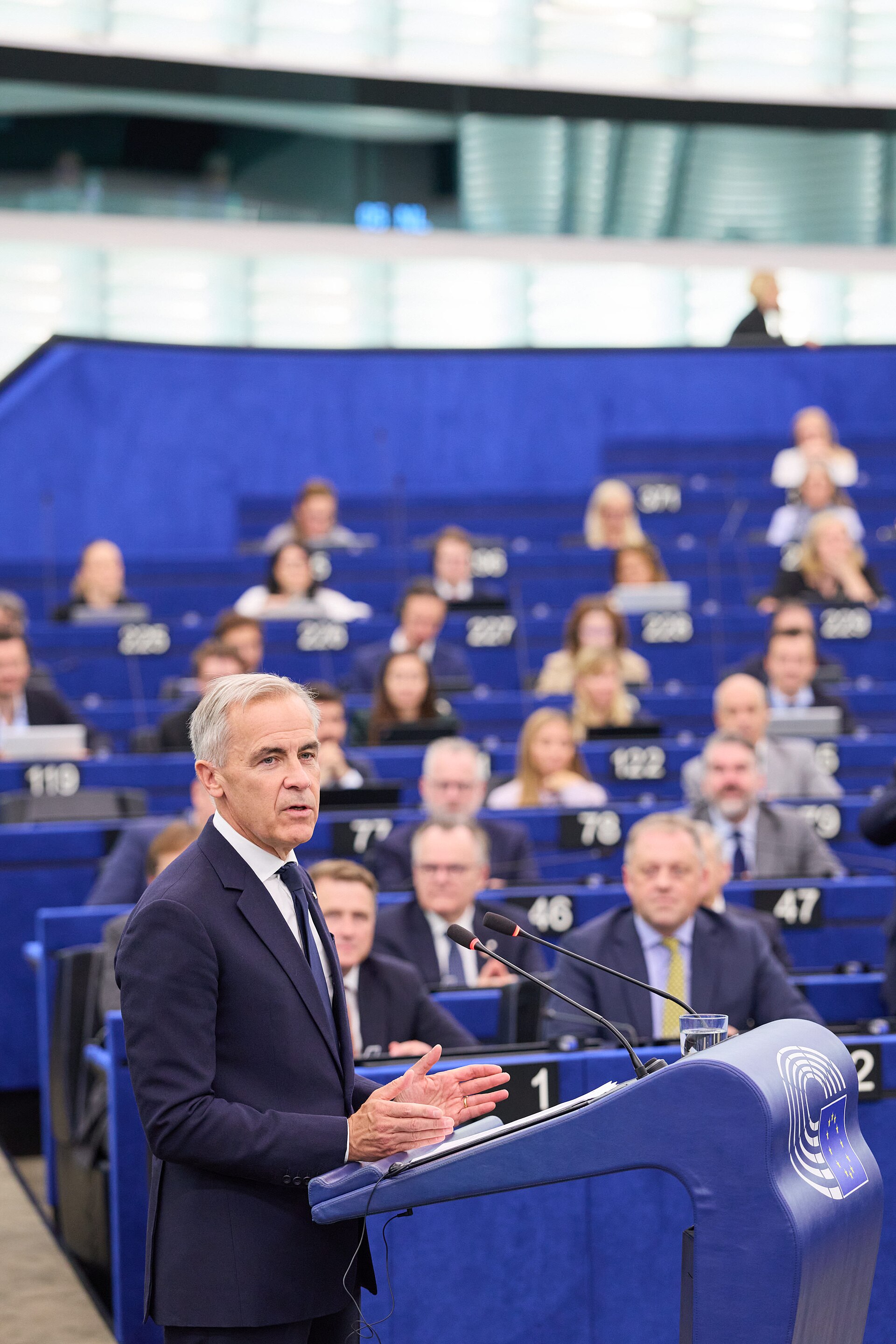
Canada's federal government tabled Budget 2026, titled 'Masters of our destiny,' on Thursday, November 5, 2026. Finance Minister François-Philippe Champagne delivered the budget under Prime Minister Mark Carney, outlining approximately C$142.1 billion in new measures over five years, including planned spending, tax incentives and investment programs. The Department of Finance framed the plan as a response to changing global trade conditions and pressure to make Canada's economy more resilient. The budget sets out policies for affordability, infrastructure, private-sector investment, energy and national security. These measures are a government proposal; not every provision is automatically law when a budget is tabled.
A $62.3-billion deficit and a contested growth outlook
The government forecasts a C$62.3-billion federal deficit in fiscal 2026–27, compared with a C$65.3-billion estimate in its spring update, according to the budget and Associated Press reporting. Ottawa forecasts economic growth of about 1% in 2026 and 1.7% in 2027 amid continued U.S. trade uncertainty. The budget says day-to-day operating revenue should cover operating expenses by 2027–28, but that is not the same as balancing the overall federal budget. Economic assumptions, financing costs and the definition of capital investment matter when assessing claims of fiscal discipline. Opposition parties have raised concerns about borrowing and federal priorities.
What Canadians could see in their budgets
The federal plan includes a proposed one-time 2027 increase to the Canada Groceries and Essentials Benefit for eligible low- and modest-income households, as well as support for caregivers and Northern food programs. It also outlines housing investment and measures intended to make mortgages easier to compare. Eligibility, benefit amounts and delivery dates are different for different households. The government says it wants to expand the availability of non-market housing and support more energy-efficient homes. These proposals are not a universal cheque, a guaranteed drop in grocery prices or proof the planned housing has already been built.
Business investment, electricity and Canadian projects
The plan promotes tax incentives for investment in machinery and technology, an expanded SR&ED research-tax program and a C$25-billion Canada Strong Fund to co-invest in companies and infrastructure. Other measures aim to increase electricity capacity, build new housing, improve transportation links and strengthen northern connectivity. Officials say these priorities may help Canada diversify trade beyond the United States and attract capital. Independent assessments will need to test which projects get funded, whether new jobs materialize and whether taxpayers receive expected benefits. The government's proposals have differing implementation schedules; some depend on further legislation and agreements.
Parliament now determines what moves ahead
Conservative, Bloc Québécois and NDP leaders have each criticized aspects of Budget 2026, focusing variously on the deficit, healthcare and the distribution of financial support. Business groups have welcomed some investment incentives. Budget debate and implementing legislation will determine what becomes law. A budget announcement itself does not certify an election, guarantee a project or prove an economic forecast will come true. CDN News will track the parliamentary steps and keep later implementation stories separate from this dated November 6 explanation of the November 5 release.
Sources & transparency
Department of Finance Canada, Budget 2026 official release, Nov 5 2026Department of Finance Canada, Budget 2026 key measuresAssociated Press, Carney unveils 2026 budgetCanada Budget 2026 economic and fiscal overviewOriginal CDN News coverage. Sources are linked for reference.
Request a correction