Carney and EU leaders announce deeper cooperation on trade, technology and research in Montréal, while a closer formal relationship still needs negotiation.
A new partnership, not EU membership
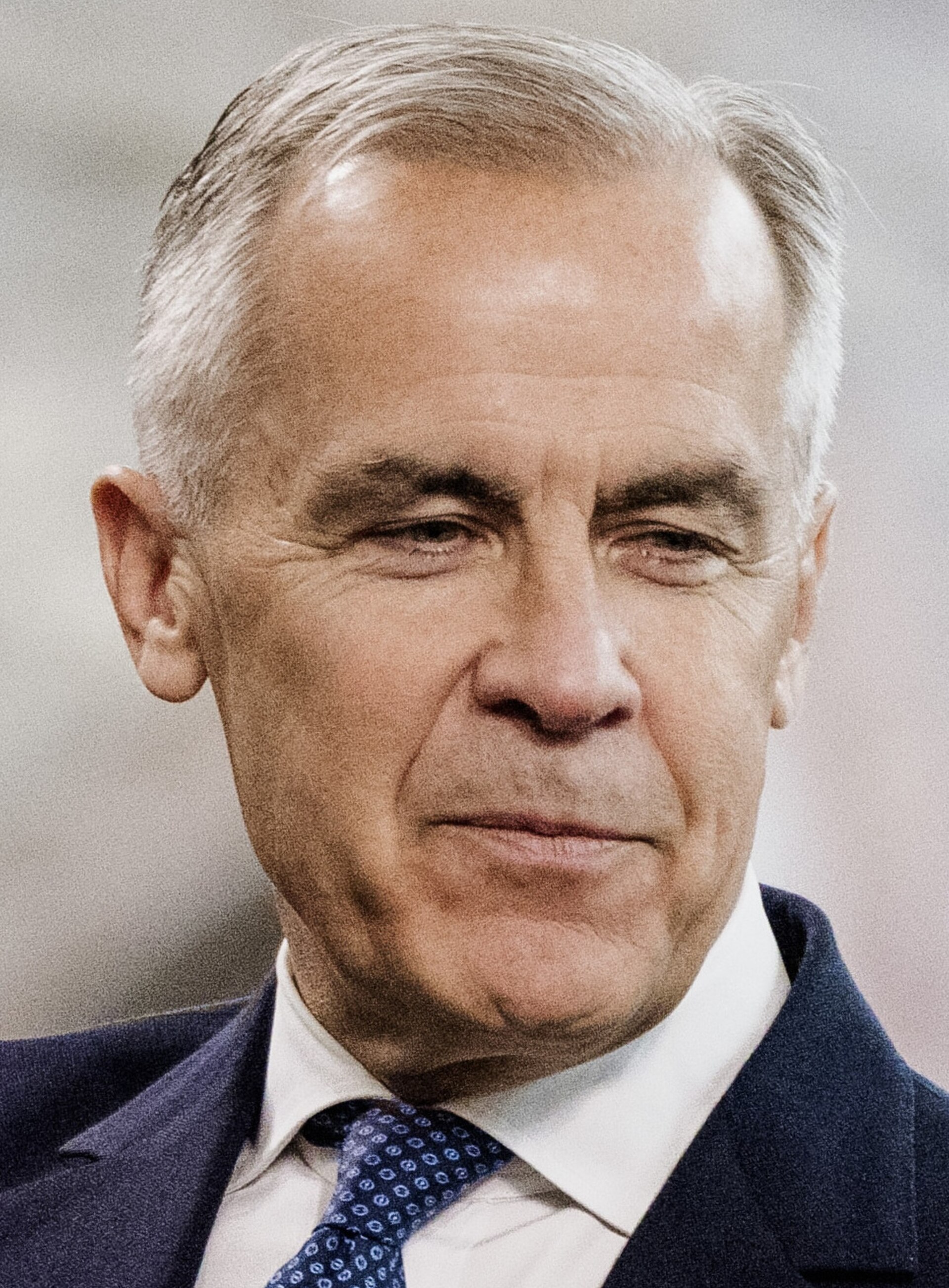
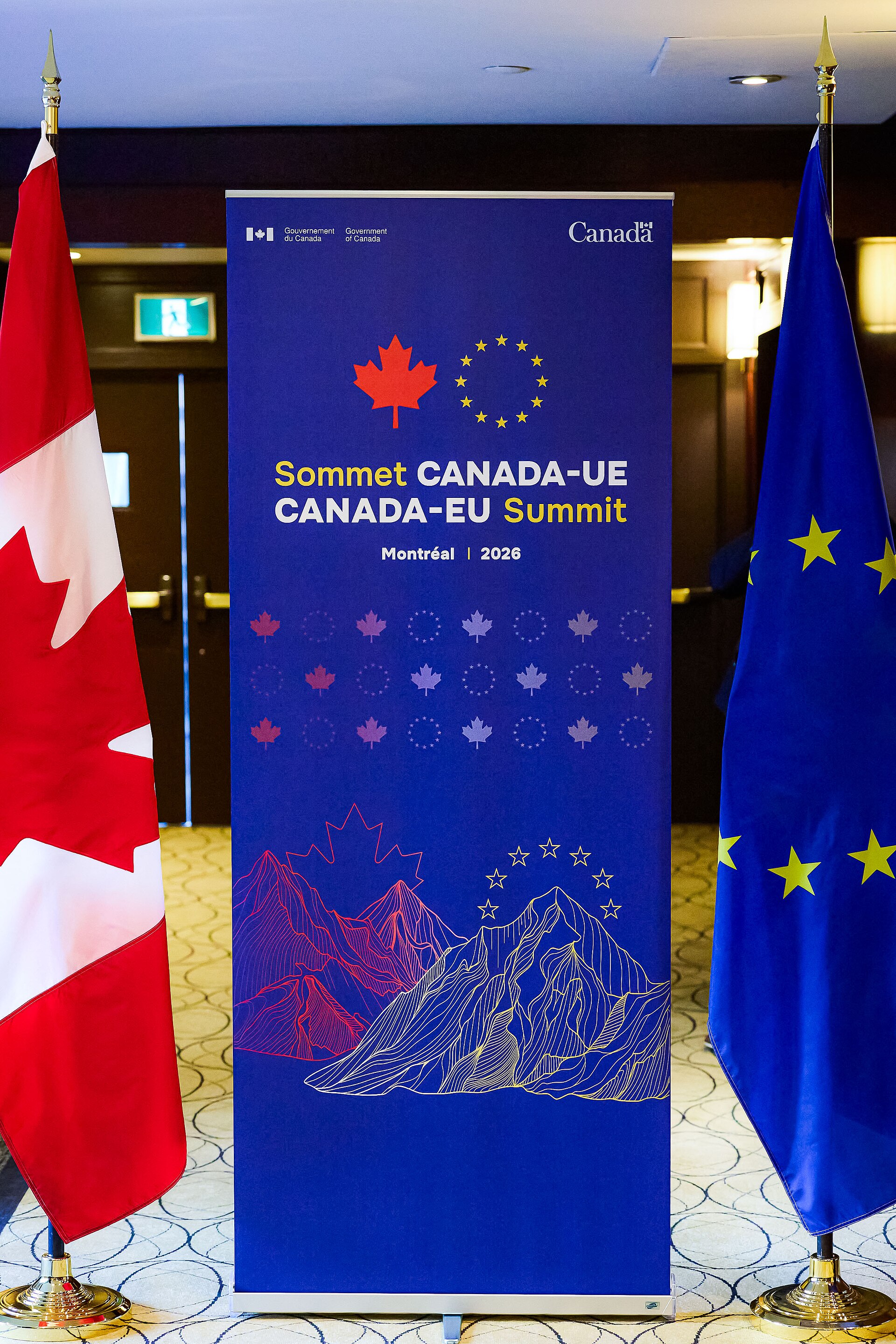
Canada and the European Union launched an Alliance for the Future at their Montréal summit on October 30, setting out a broad agenda for trade, research, investment and security. Prime Minister Mark Carney met European Council President António Costa and European Commission President Ursula von der Leyen as both sides sought to reduce economic vulnerabilities and deepen cooperation. The joint declaration describes a closer association short of EU membership, with the concept to be defined by the 2027 Canada–EU summit. It does not grant Canada membership or create an established legal category of 'associate member' today.
Agreements reached and talks still ahead
Leaders said substantive negotiations have concluded on a digital trade agreement and an updated competition-cooperation arrangement. Canada is joining the European High Performance Computing Joint Undertaking, opening opportunities for researchers to work with European computing infrastructure. Other initiatives remain proposals or negotiations: closer instant-payment links, expanded student exchanges, access to future European research programs, and possible new investment and critical-mineral arrangements. Those should not be mistaken for services already available to Canadians.
The political question
The Canadian prime minister's announcement used the phrase 'first Associate Member,' but the leaders' joint statement instead commits to define a closer association by next year's summit. Reuters reported that the label was contentious among EU governments and had no settled legal meaning. That distinction matters because the practical effects on regulation, mobility, market access and political decision-making will depend on later negotiations, national approvals and implementation. The two sides described the EU as Canada's second-largest trading partner, underscoring the economic stakes.
What happens next
The next tests are the detailed legal texts, implementation timelines and decisions by Canadian and European institutions. The joint statement also commits both sides to pursue cooperation on digital infrastructure, supply chains, climate security and research. For now, the verified development is a political framework and several concluded negotiations—not a change to Canada's constitutional status or automatic access to European institutions.
Sources & transparency
Prime Minister of Canada — Alliance announcement, October 30Canada–EU joint statement, October 30Reuters — Canada–EU partnership negotiations, October 30Original CDN News coverage. Sources are linked for reference.
Request a correction