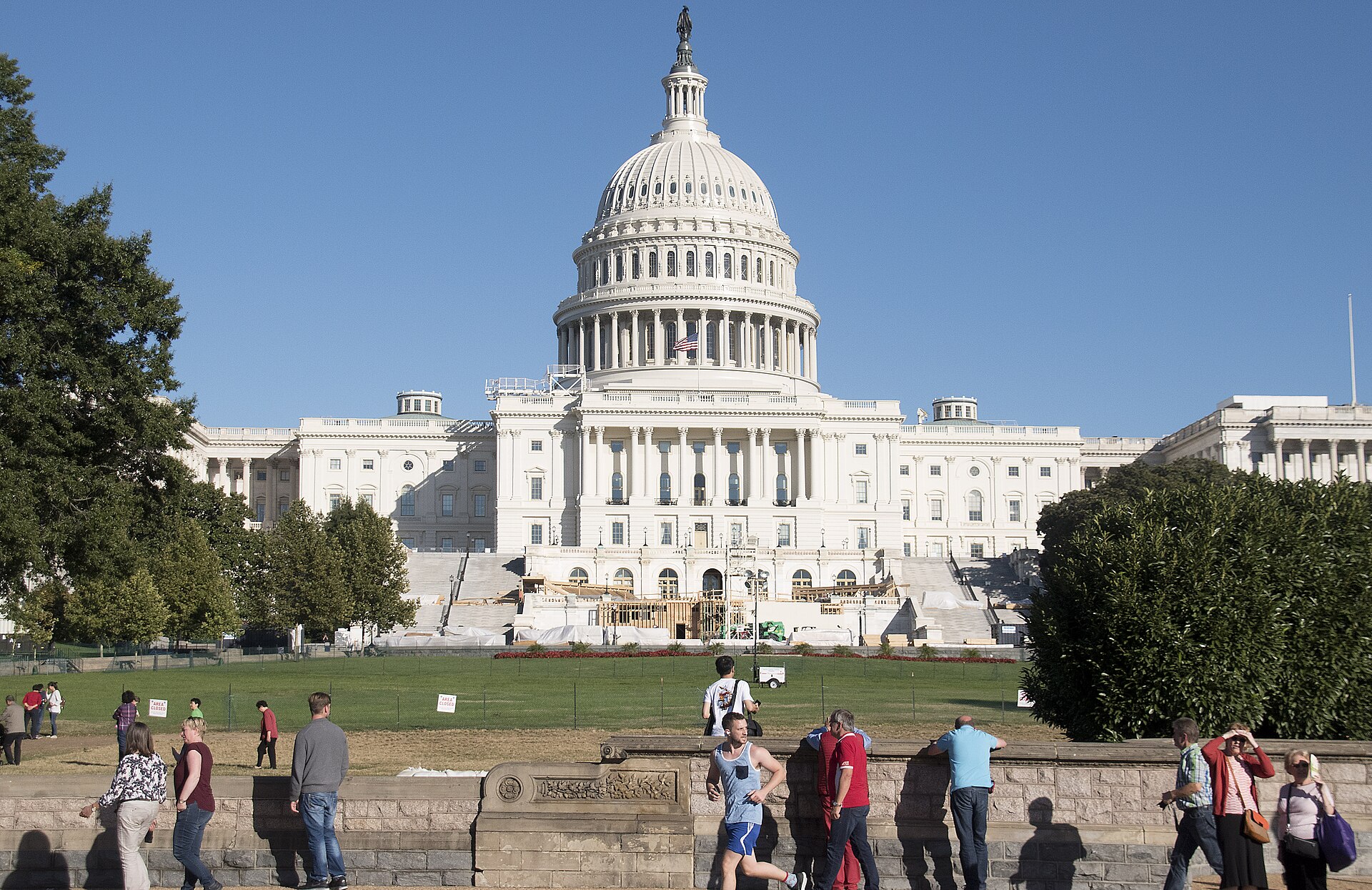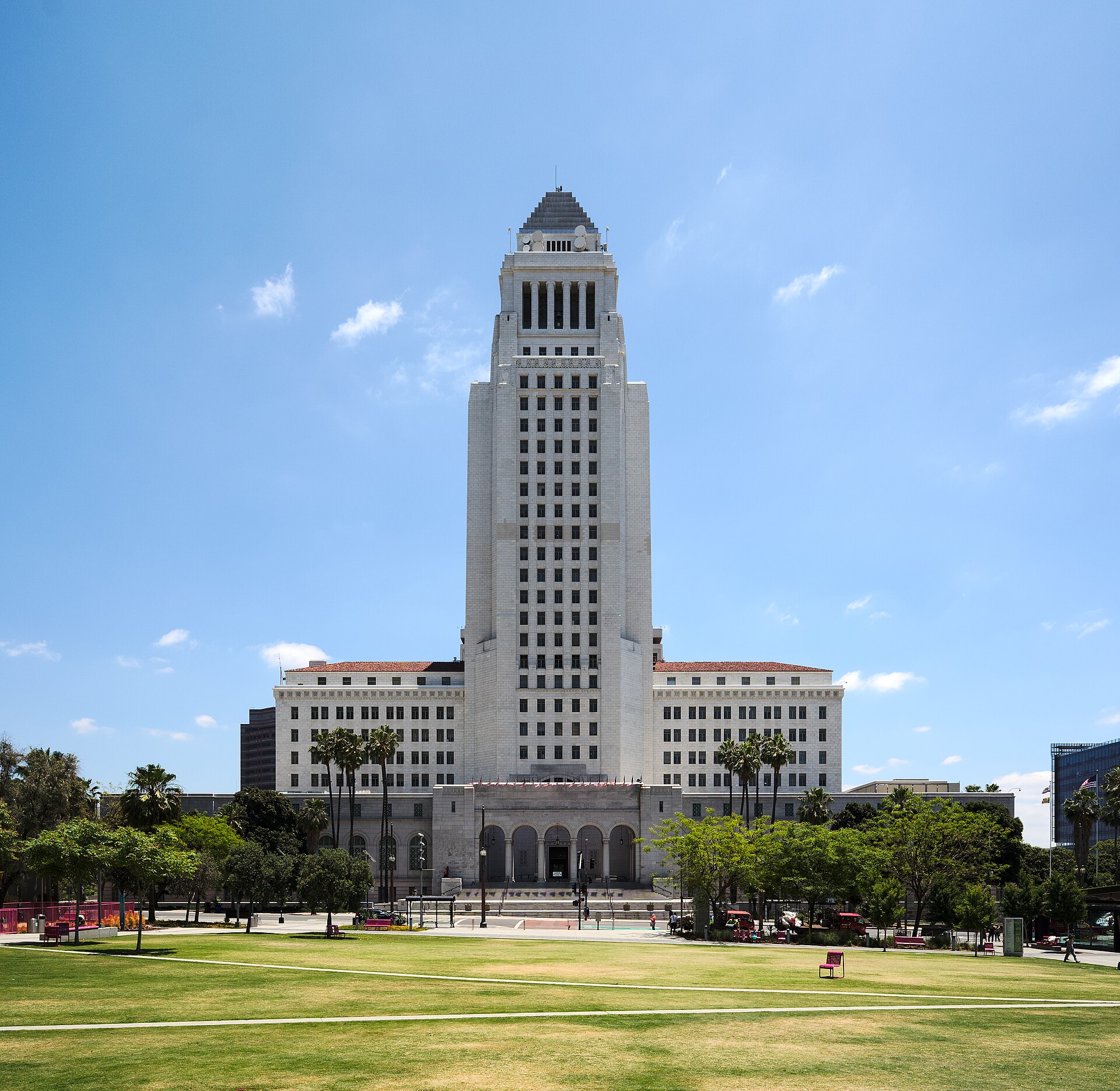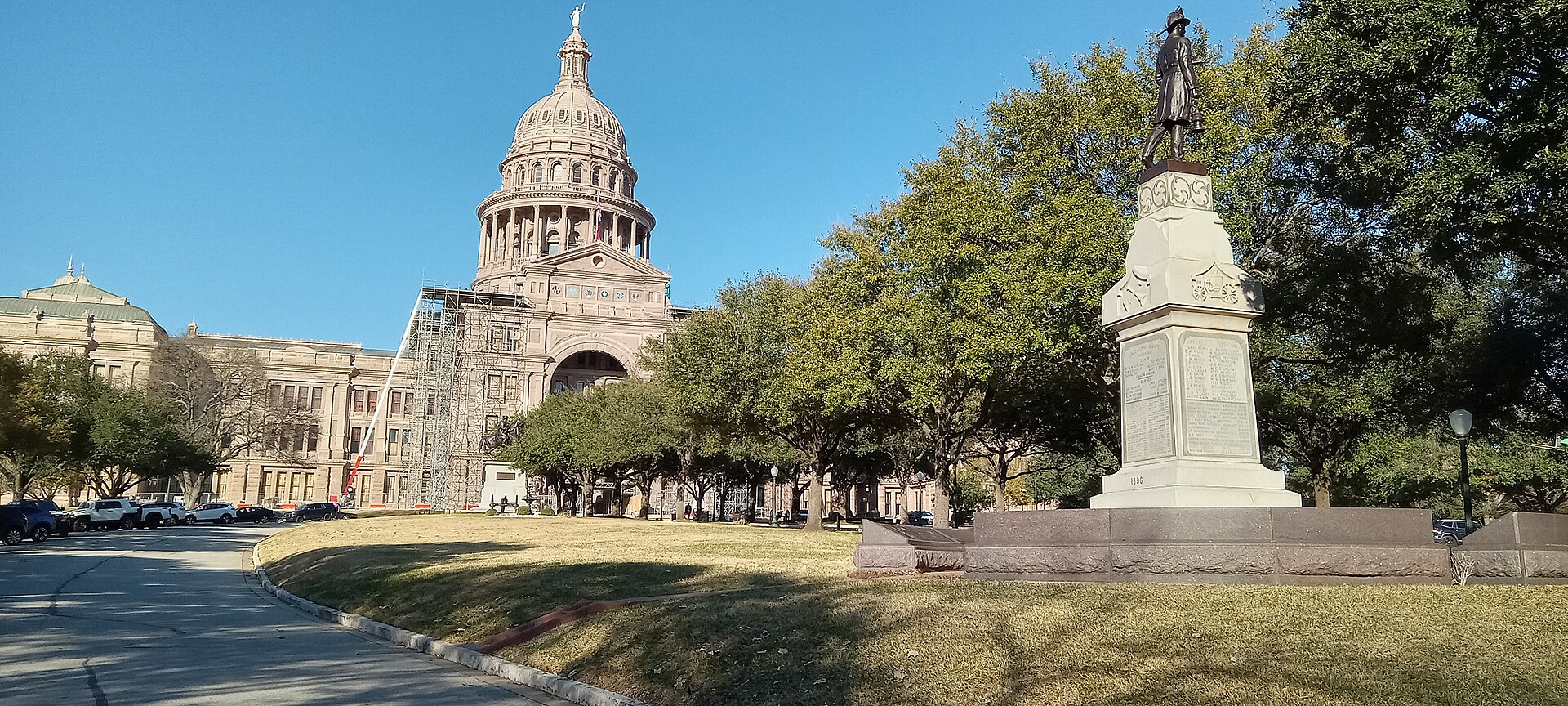
November 5 state-level election overview distinguishing governorships and state legislatures from federal congressional outcomes.
State elections reveal a broader shift
Beyond winning the U.S. Congress, Democrats secured control of more state legislatures and governors' offices in the November 2026 elections. The Associated Press reported that the party took the Texas House of Representatives for the first time since 2002, while Gina Hinojosa won the Texas governorship. Republicans retained the Texas Senate, meaning Democrats will still need cooperation on legislation in the state. That distinction is essential when reporting the extent of state political power.
Governors and legislative chambers change
Democrats also secured or maintained full control in states including Michigan, Minnesota, Pennsylvania, Wisconsin and Nevada, according to AP's post-election review. They won governorships in Georgia, Iowa and Ohio and broke or prevented Republican legislative supermajorities in multiple chambers. State parties can take different forms, and control of one branch does not mean automatic control of an entire state government.
What the changes could mean
Incoming state governments are discussing affordability, housing construction, education, health care, energy prices and the regulation of AI data centres. Such goals depend on specific bills, budgets, state constitutions and courts. The next political test is translating campaign commitments into enacted and measurable policy. The state outcomes should not be counted as additional U.S. House or Senate seats; they are separate elections.
Sources & transparency
Associated Press November 4 state-government control changesOriginal CDN News coverage. Sources are linked for reference.
Request a correction