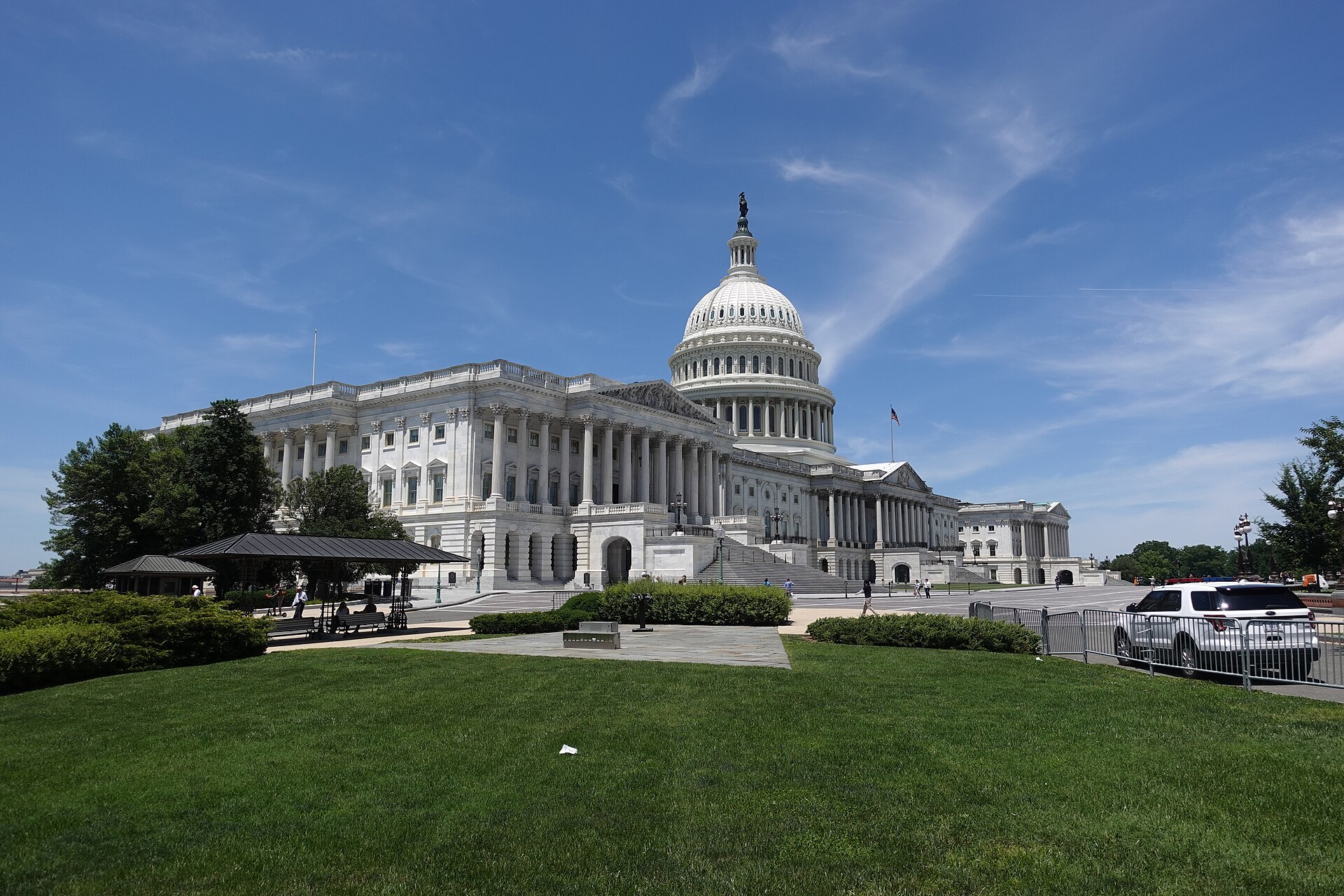
November 4 evening update: the Associated Press confirms Democratic majorities in both chambers, but new members take office in January 2027 and many policies remain contested.
Democrats win control of both chambers
Democrats have won majorities in the U.S. House of Representatives and Senate following the November 3, 2026 midterm elections, according to election projections from the Associated Press and reporting by Reuters. Their victories end Republican control of Congress halfway through President Donald Trump's second term. The AP reported Democrats holding at least 54 of the Senate's 100 seats while increasing their House majority beyond the 218 seats needed for control. Some individual races remained unresolved on November 4, so the exact final size of both majorities may change as counting and certification continue. The party-control result is reported as a confirmed news-service projection, not as a claim all states have certified every ballot.
The shift begins with the next Congress
The new Congress is scheduled to convene on January 3, 2027. House Democratic Leader Hakeem Jeffries is in position to seek the speakership, but House members must formally elect a speaker. Senate Democratic Leader Chuck Schumer will help organize the upper chamber's new majority. The party expects to pursue stronger oversight of the Trump administration and discuss measures aimed at healthcare and household costs. Those are proposed priorities rather than laws already enacted. Until the new congressional term begins, the existing members retain their current powers.
Trump and Republicans respond
Trump acknowledged that the U.S.-Israeli war with Iran and high fuel costs affected the election. He said he may work with Democrats but also warned he could veto legislation he opposes. Vice President JD Vance attributed part of the Republicans' defeat to the war, while other Republicans pointed to candidates and broader political conditions. Although Democrats have won majorities in Congress, Republicans still won some significant state races. The next two years will feature negotiations, competing agendas and the constitutional limits of presidential and congressional power.
Why the outcome matters to Canada
The result could change congressional debate on tariffs, budgets, defence and foreign relations with Ottawa. But it does not automatically repeal U.S. trade restrictions or create a new bilateral agreement. Canadian minister Dominic LeBlanc said November 4 that the election would not significantly alter Canada's negotiating approach, and said he expected to speak soon with American trade officials. The S&P/TSX Composite Index closed up 809.12 points, or 2.3%, after the result, while Canada's energy sector fell as oil prices dropped. Those market moves reflect investor expectations, not proof of a finalized trade or foreign-policy deal.
Results and updates readers can trust
CDN News will report news-service race calls separately from unofficial partial counts and official certification. State tallies and the remaining close contests could alter seat margins without reversing the projected party majorities. Readers should consult primary state authorities and Associated Press election results for new race calls. This report is dated November 4, 2026, and is not a live vote counter. The Politics desk also includes distinct reports on party leadership, the president's response and specific state outcomes.
Sources & transparency
Associated Press, Democratic sweep and coming Congress, November 4, 2026Associated Press, Democrats win the U.S. House and Senate, November 4, 2026Reuters, Canada's position following midterms, November 4Reuters, TSX closes up 809.12 points, November 4Original CDN News coverage. Sources are linked for reference.
Request a correction