An updated November 4 election aftermath briefing on House and Senate leadership, timing and checks and balances.
Democratic leaders plan for a new Congress
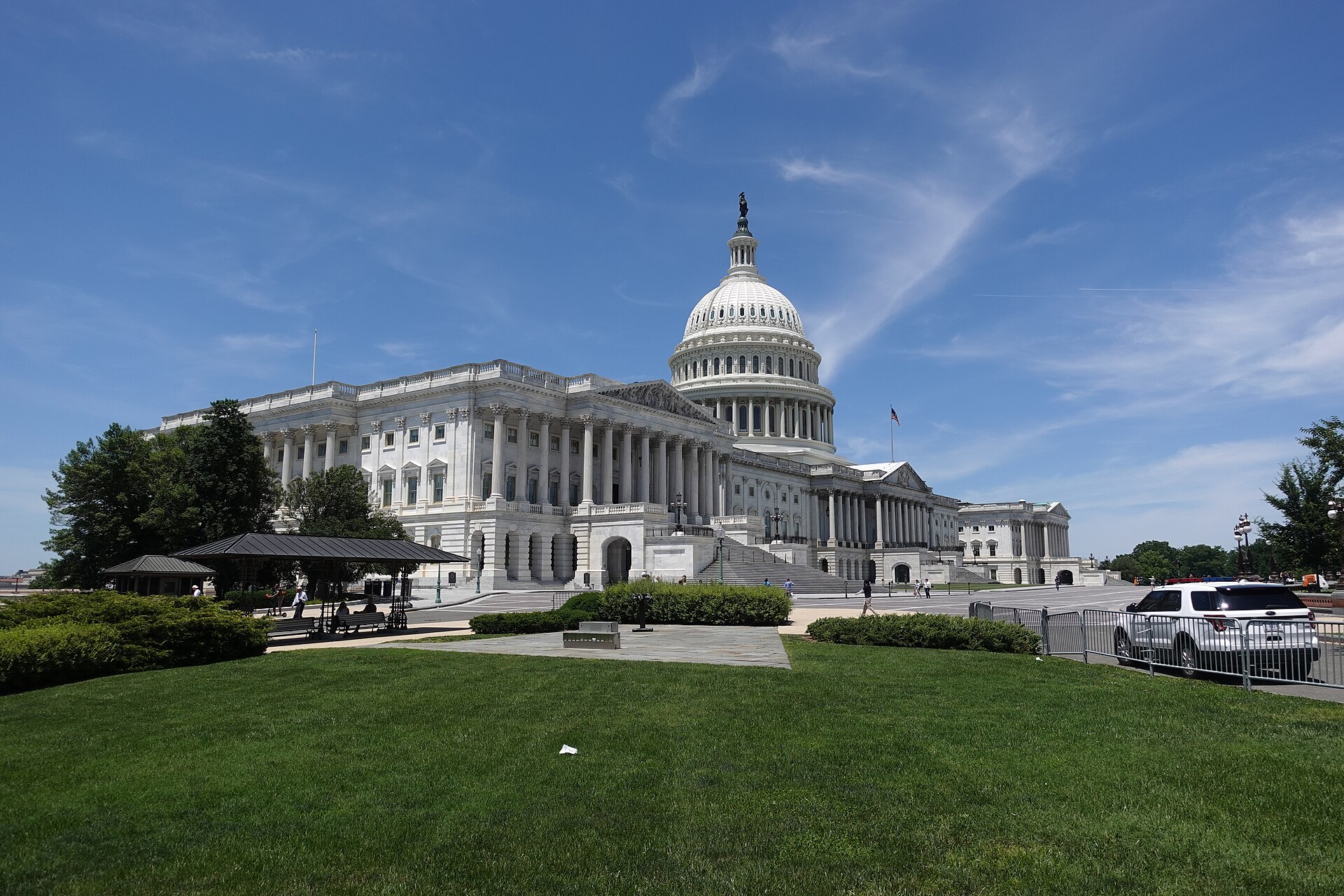
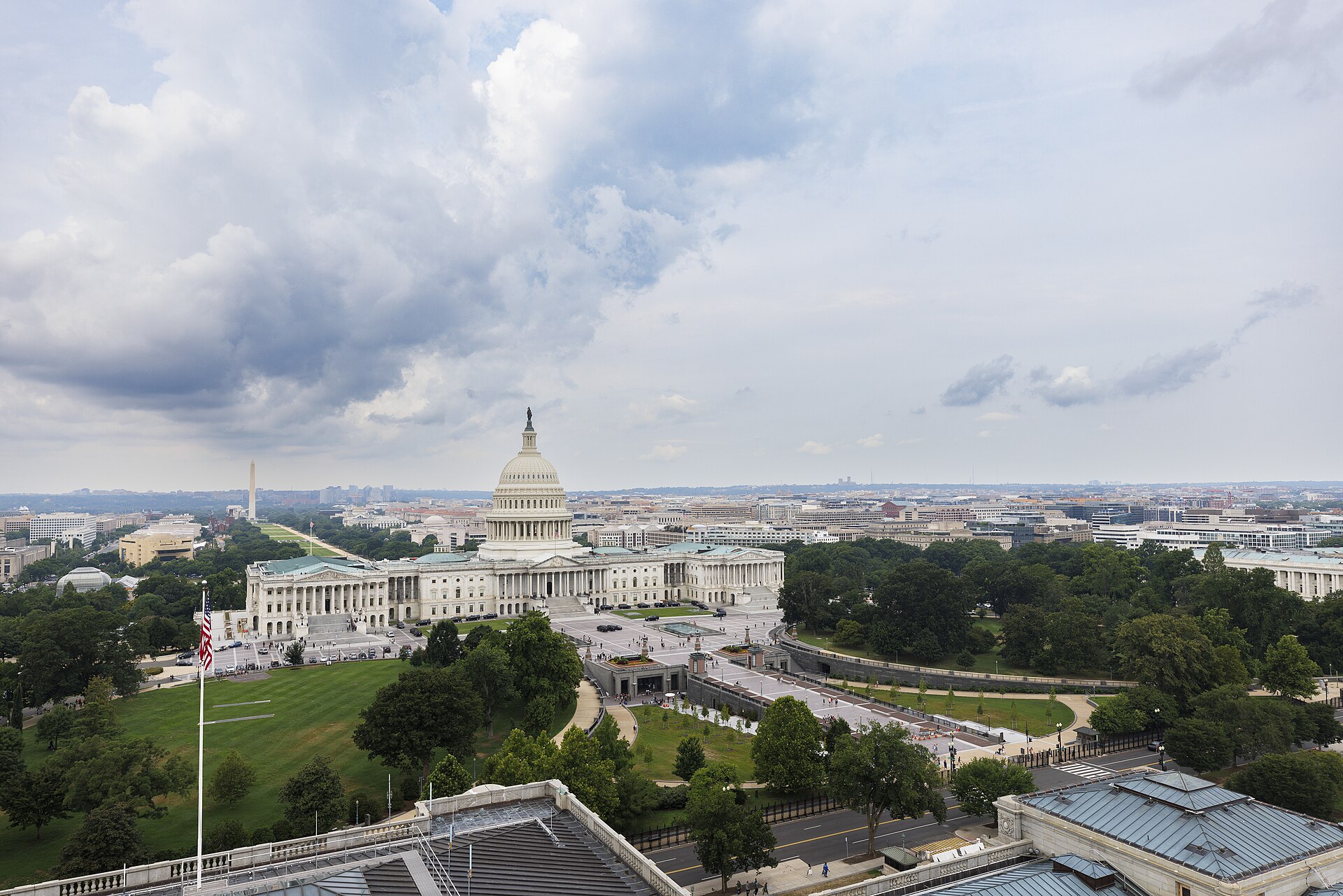
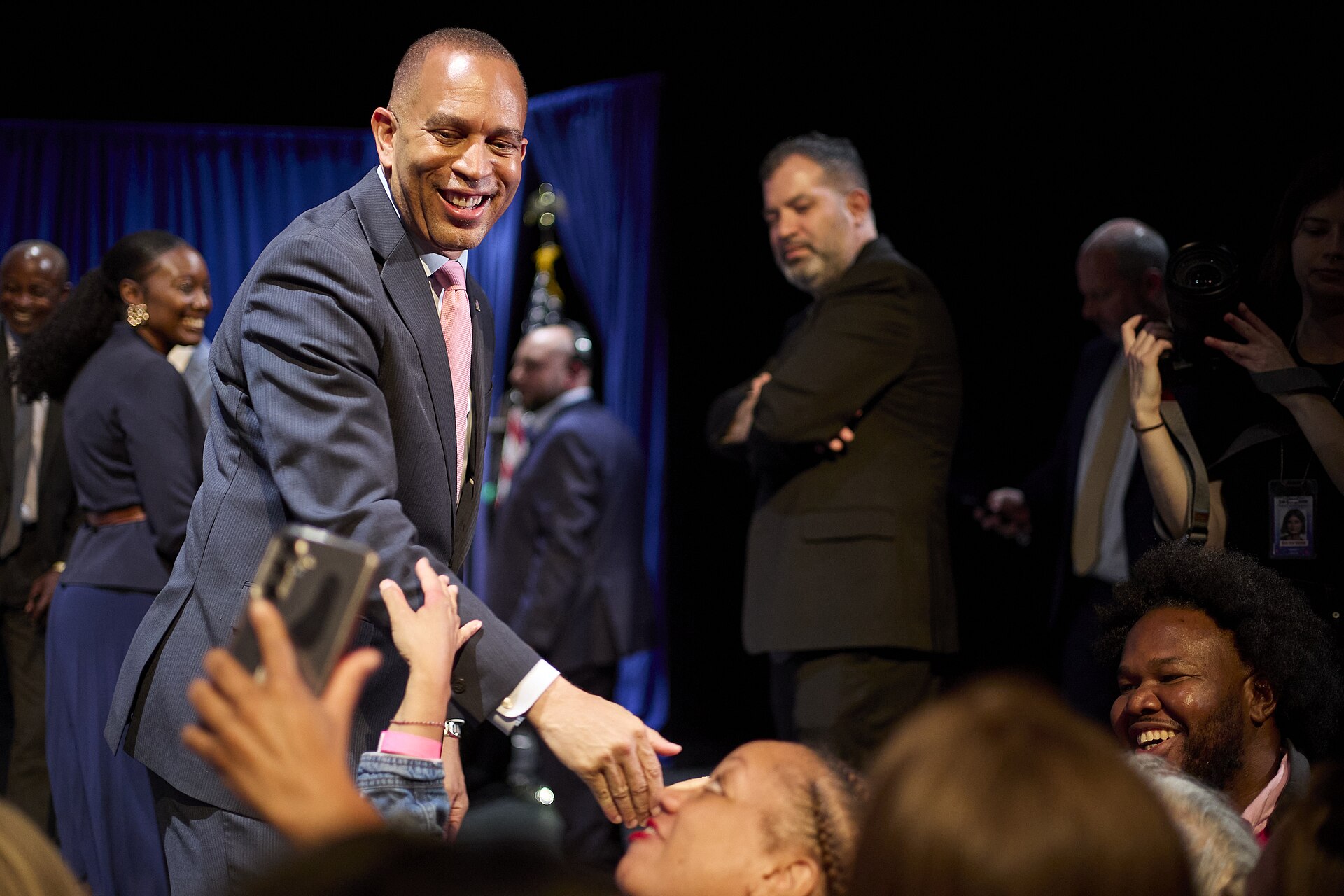
Democrats won control of the U.S. House and Senate in the November 3, 2026 midterm elections, but the newly elected Congress will not convene until January 3, 2027. House Democratic Leader Hakeem Jeffries is positioned to become the next speaker if elected by his colleagues, while Senate Democratic leader Chuck Schumer will help organize the incoming majority. Neither leader's legislative program should be described as already enacted. Reuters and Associated Press reporting on November 4 found that both parties were beginning internal leadership decisions after the election.
The policy agenda under discussion
Jeffries and fellow Democrats have discussed a first-100-days focus on everyday costs, healthcare legislation and stronger oversight of the Trump administration. Schumer acknowledged that some voters who supported Democratic candidates remain skeptical of the party, and said the majority would need to earn trust. Those are political statements and proposed priorities, not finalized bipartisan agreements. The House chooses its speaker by vote, and committees will be organized after the new session begins.
Republicans face a leadership reset too
Republican members are reassessing the election losses that reduced their presence in both chambers. Associated Press reporting indicates House Speaker Mike Johnson is not expected to seek another term as House Republican leader, according to people familiar with his decision. Party elections and formal announcements will determine the resulting leadership structure. Republicans will still hold substantial seats and influence in Congress, even without controlling the two chambers.
What divided government means for policy
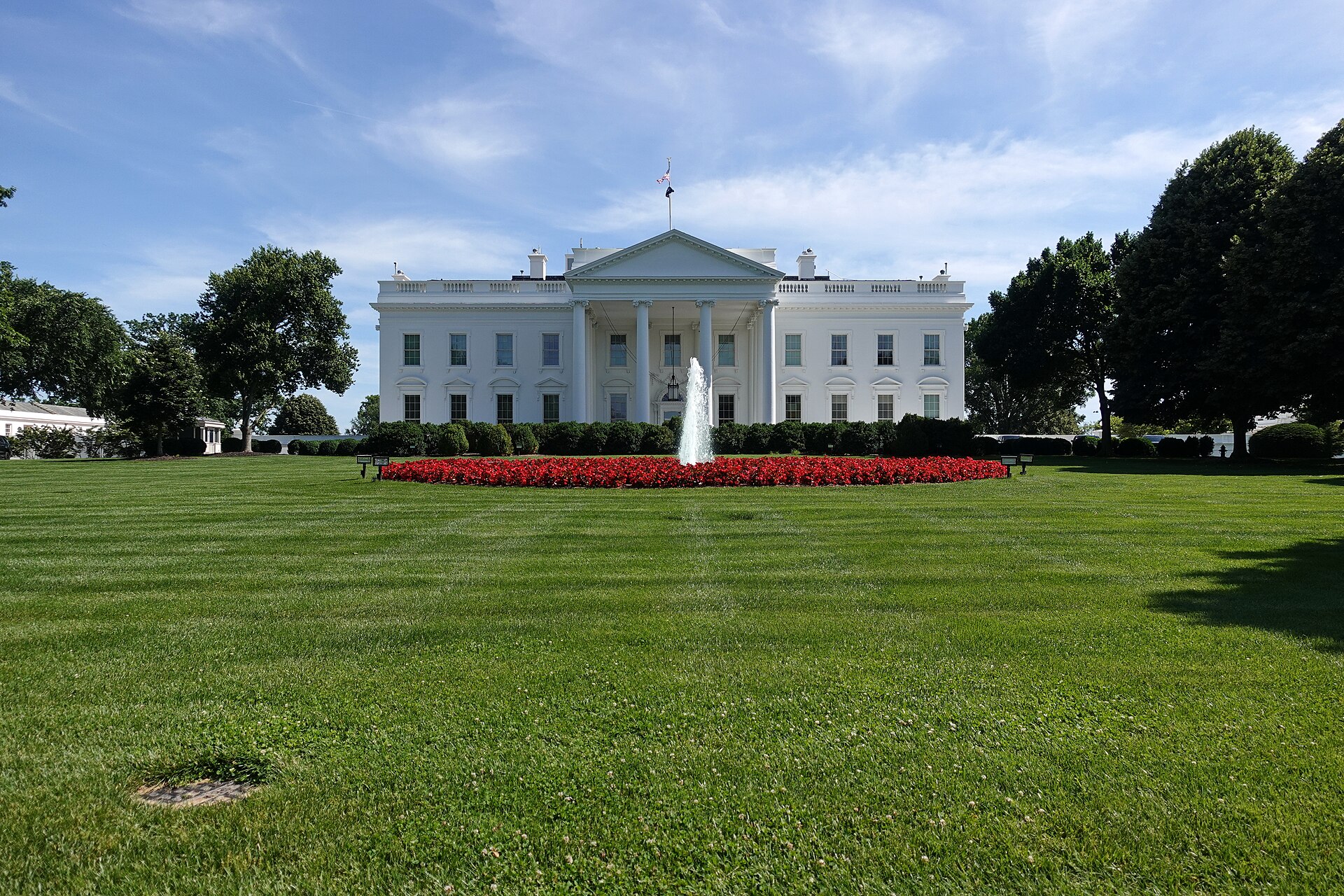
President Donald Trump remains in office and retains significant executive authority, including the veto. Congress can set spending, pass legislation and conduct oversight, but most major laws require negotiation between institutions. Democratic majorities could change the balance of debate on tariffs, spending and foreign policy affecting Canada, though they do not automatically revoke existing measures. This is a November 4 snapshot of the transition rather than a forecast of enacted legislation.
Sources & transparency
Reuters, November 4: how Democrats' win reshuffles Congress leadershipAssociated Press, Democratic sweep and coming Congress, November 4Original CDN News coverage. Sources are linked for reference.
Request a correction