EU governments have reportedly removed “associate member” from a draft declaration for the Montreal summit, replacing it with language about closer association. The change is a setback for that proposed label—not a rejection of Canada or the wider partnership. Leaders are meeting October 29–30, with an “Alliance for the Future” and cooperation on trade, security, critical minerals, energy, technology and research still on the agenda. The final joint statement is expected at the summit’s close.
The wording changed before the summit
Canada and European Union leaders are meeting in Montreal on October 29 and 30 to set the next stage of their relationship. A Reuters report published ahead of the summit says EU governments removed the phrase “associate member” from a draft joint declaration and substituted language calling for an “ever closer association.” Reuters said the document had been seen by the news agency and that Germany led objections, with diplomats pointing to the absence of a legal definition for the proposed status. The common declaration is not final: the European Council says leaders are expected to issue it at the end of the summit.
A setback for the label, not a rejection of Canada
The distinction matters. The Commission’s proposal for Canada to become the EU’s first associate member has not become an agreed status, but the reporting does not describe the EU rejecting Canada as a partner or cancelling the summit’s broader agenda. The European Council says leaders are expected to launch an “Alliance for the Future” and deepen cooperation in areas including trade, digital policy, critical raw materials, defence and security, education, research and youth. The Council also describes Canada and the EU as longstanding strategic partners. Canada already participates in the EU’s Security Action for Europe defence initiative as its only non-European participant.
The proposal remains under discussion
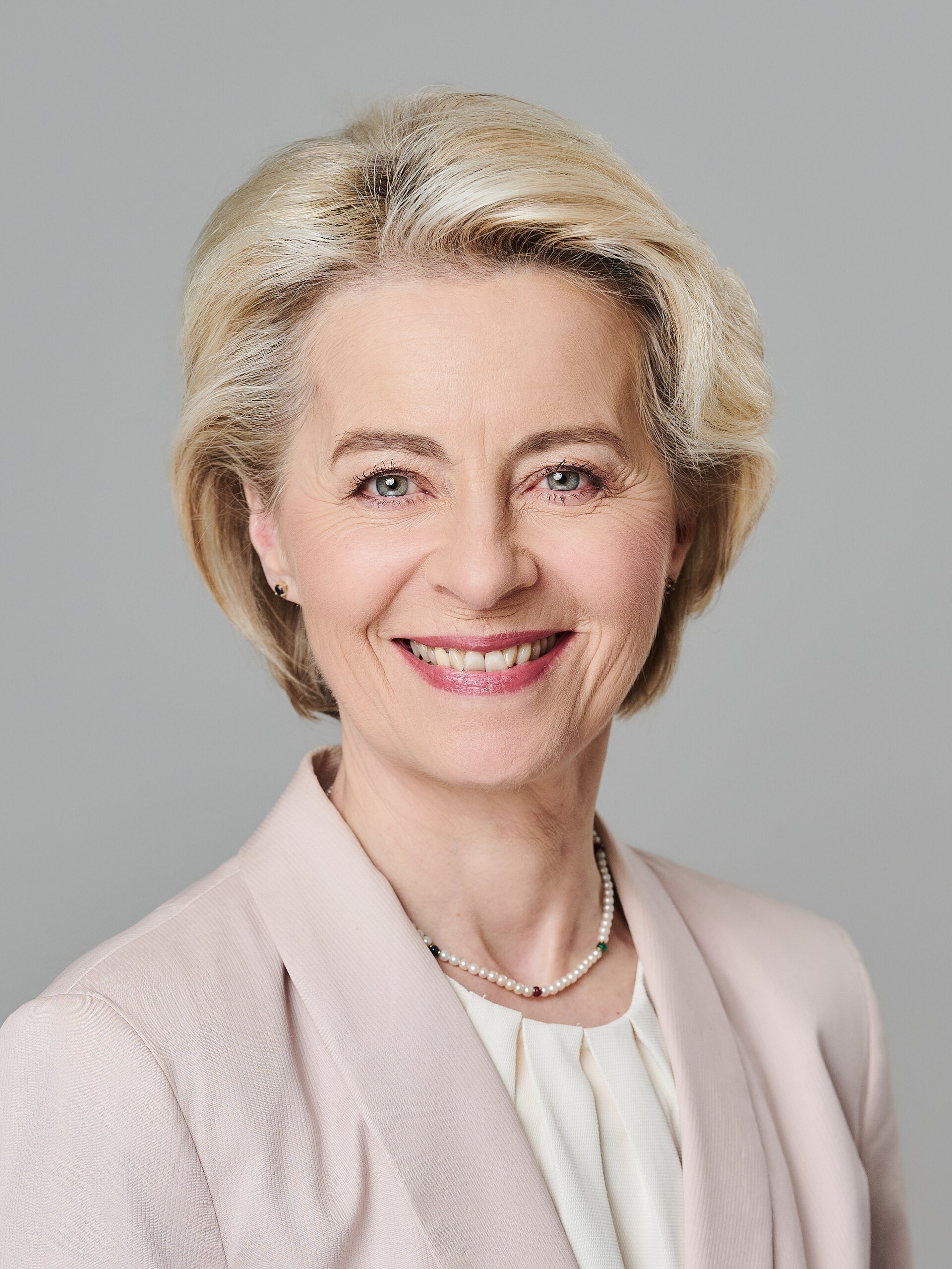
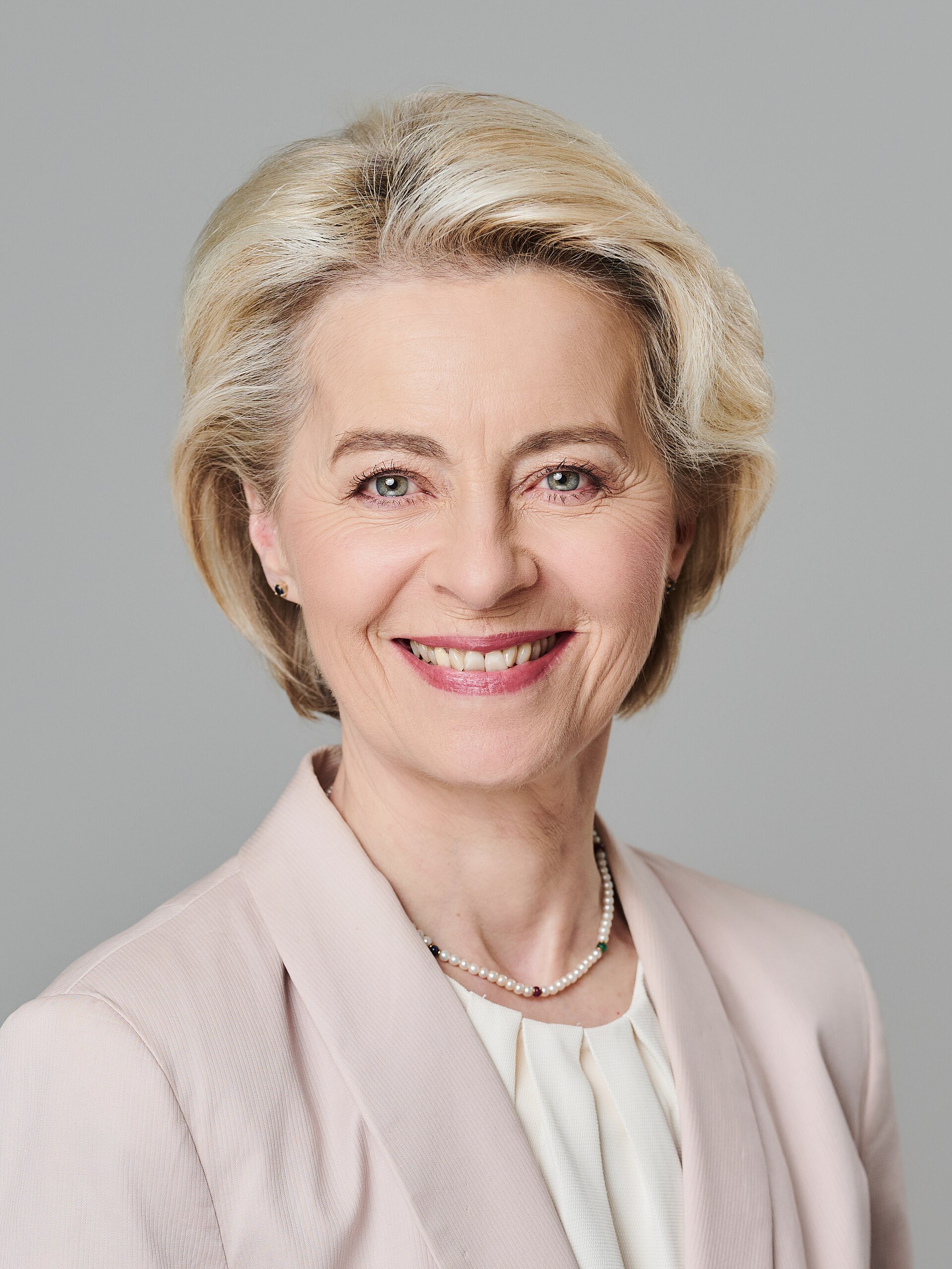
There is also a difference between the draft’s agreed wording and the Commission president’s position. AFP reported that Ursula von der Leyen said after arriving in Montreal that the sides would begin discussing how Canada could become an associate member. That proposal is therefore still being advanced publicly even as the term was reportedly left out of the joint draft. Prime Minister Mark Carney has emphasized practical outcomes over the name of the arrangement. The summit agenda includes work on economic security, energy, technology and supply chains; the final text will show what governments can agree to put on paper.
What happens next
The summit runs through Friday, October 30. Until the joint statement is released, the draft’s reported wording should be treated as a negotiating position, not a final agreement. The key test will be whether the leaders set a concrete process and timetable for closer association—and which programs or policy areas that process will cover. CDN News will update this report when the final statement is available.
Sources & transparency
Reuters — draft declaration and EU member-state objectionsEuropean Council — EU-Canada summit agenda and expected joint statementEuropean Commission — Canada associate-member proposal and partnership areasPrime Minister of Canada — Montreal summit and Canada’s SAFE participationAFP — von der Leyen’s comments on arrival in MontrealOriginal CDN News coverage. Sources are linked for reference.
Request a correction