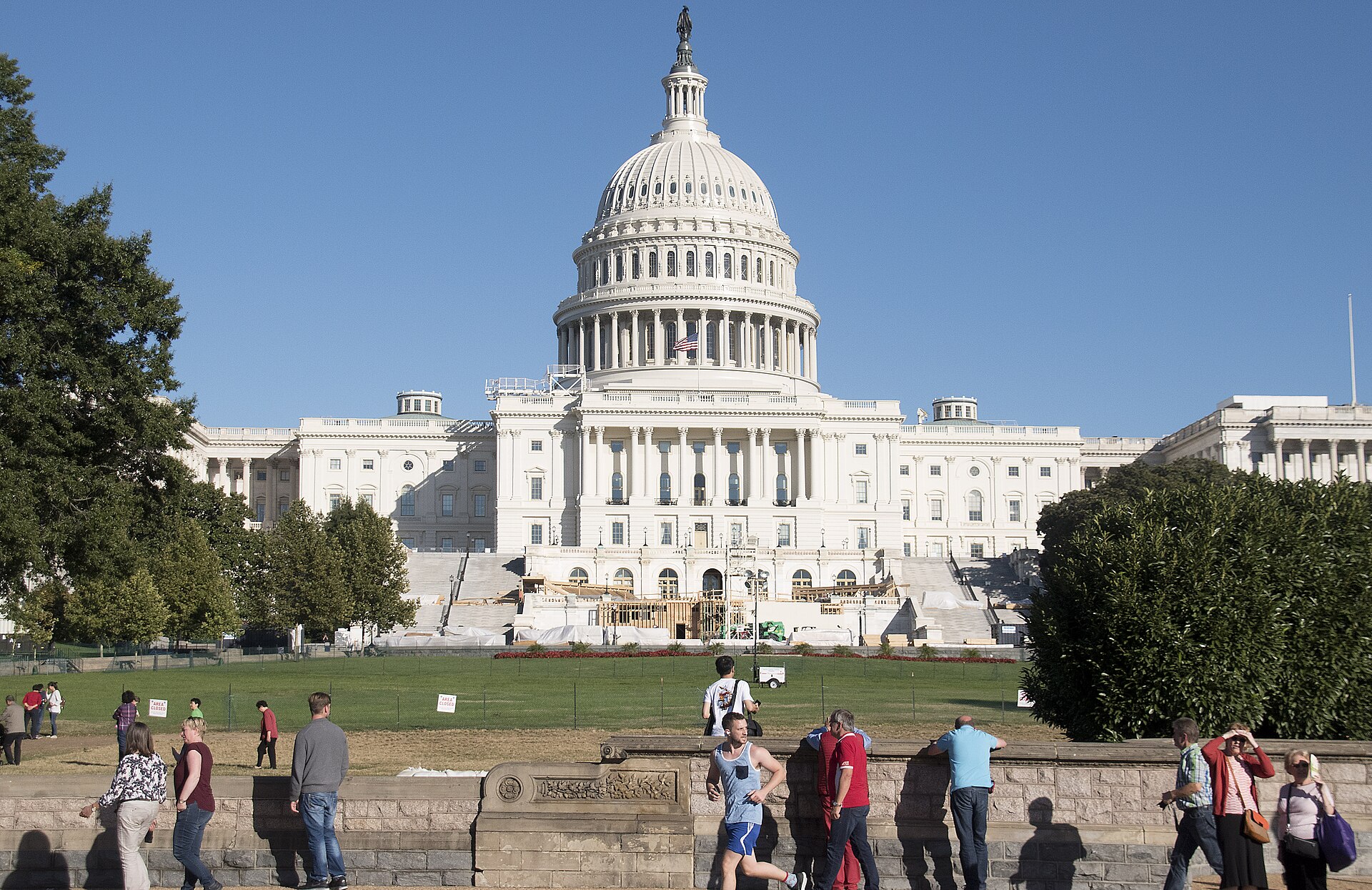
November 5 coverage of Senate advice-and-consent powers following the midterm change.
New Senate majority changes confirmation politics
Senate Democratic Leader Chuck Schumer said November 5 that his party's incoming majority would not readily confirm nominees to the Supreme Court or other federal posts that Democrats regard as too ideologically extreme. The Associated Press reported Schumer's remarks following the party's decisive midterm gains. The Senate has a constitutional advice-and-consent role for federal judges and key appointments, but hypothetical future nominees are not currently confirmed or rejected.
A policy agenda and a divided government
Schumer also emphasized household costs, health care, childcare, housing, tariffs and electricity bills as issues Democratic senators would seek to address. He discussed oversight of immigration enforcement and other administration decisions. None of these goals should be confused with passed legislation. President Donald Trump retains his executive powers, and the House, Senate and president must often negotiate for major legislation to become law.
Leadership and procedure still to be settled
The incoming Senate will organize committees and rules when the new Congress begins in January 2027. Members may debate who should lead the caucus and the use of the filibuster. Schumer has not committed to altering all parliamentary procedures, and individual nominees will be evaluated separately if presented. This is an account of his announced position, not a projection that future judicial vacancies will necessarily occur.
Sources & transparency
Associated Press November 5 Schumer on Supreme Court nomineesOriginal CDN News coverage. Sources are linked for reference.
Request a correction